
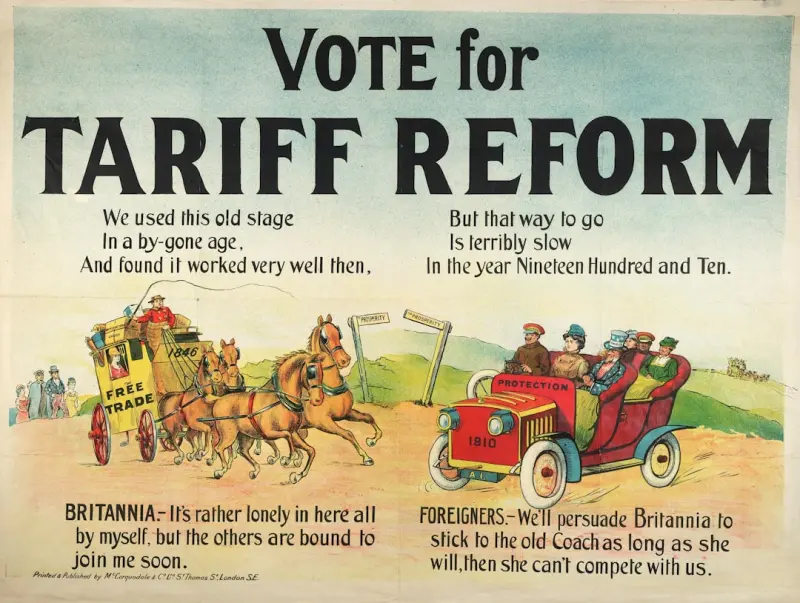
Why Tariffs Feel Like a Whisper Yet Hit Like a Sledgehammer
Every time I glance at my grocery receipt, I hear a faint rustle that most shoppers overlook – the quiet imprint of a tariff. It’s not the flashy headline about trade wars or the grand‑stage debates in Ottawa; it’s the subtle price adjustment on a bag of imported olives or a pair of sneakers that silently reshapes my household budget. As someone who watches the market like a hawk, I’ve learned that these modest levies act as a hidden lever, nudging supply chains, influencing consumer choices, and ultimately rewriting the economic story of everyday Canadians. The irony is that while policymakers argue over percentages and exemptions, the real drama unfolds in the checkout lane, where the cost of a foreign‑made product suddenly carries an invisible surcharge that many simply accept without a second thought.
From Community Co‑ops to Tariff Buffers
One surprising antidote to the tariff pinch comes from a place you might not expect – community co‑ops. When local groups pool purchasing power, they can sidestep some of the import taxes that hit individual buyers, turning collective bargaining into a powerful shield against rising costs. I’ve seen neighborhoods band together to source bulk‑ordered goods directly from producers, effectively diluting the impact of a tariff‑laden supply chain. This collaborative model not only trims the final price tag but also revitalizes local economies, creating a virtuous cycle where savings are reinvested into community projects. For a deeper dive into how co‑ops are slashing monthly bills, check out How Community Co‑ops Can Slash Your Monthly Bills, which illustrates the exact mechanics of this grassroots financial defense.
The E‑Commerce Explosion and Its Tariff Tangle
The digital marketplace has exploded, giving Canadians unprecedented access to overseas products at the click of a button, but each purchase now carries a hidden tariff tag that can erode the promised savings. When a shopper orders a stylish lamp from a European boutique, the platform may display the base price, yet the final amount often swells after customs duties are applied, leaving the buyer feeling duped. This dynamic creates a paradox where the convenience of cross‑border shopping is undercut by unforeseen fees, prompting many to reconsider the true cost of “free shipping.” The lesson here is to factor in potential tariffs before hitting “checkout,” turning an impulsive click into a calculated decision that respects both budget and border regulations.
Canada’s Agricultural Heartbeat Under Tariff Pressure
Our farms, the backbone of the nation’s food security, are not immune to the ripple effects of tariff policy, especially when export markets impose duties on Canadian grains and livestock. A wheat farmer who once enjoyed a steady demand from the U.S. now watches those orders shrink as American tariffs rise, forcing a pivot toward alternative markets that may offer lower prices or longer shipping times. This shift not only squeezes farm incomes but also triggers a cascade of adjustments downstream – from grain elevators to local bakeries that suddenly face higher input costs. The resulting price hike travels up the supply chain, landing on the plates of ordinary Canadians who notice their favorite bread costing a few cents more each week.
Unmasking Hidden Costs: Tariffs as the Silent Expense
When we audit our monthly expenditures, we often overlook tariffs, assuming they’re a macro‑level concern reserved for economists. Yet, as I’ve uncovered through personal budgeting experiments, these duties quietly inflate the price of imported electronics, fashion, and even home improvement supplies, masquerading as “premium quality.” By recognizing tariffs as a hidden expense, households can better align their spending habits with reality, opting for domestic alternatives or waiting for duty‑free periods. For a broader perspective on concealed financial drains, explore Unmasking the Hidden Expenses That Inflate Your Cost of Living, which shines a light on the myriad ways overlooked fees nibble at our wallets.
Small Business Survival Tactics in a Tariff‑Heavy World
Entrepreneurs across Canada are learning to navigate the tariff maze by diversifying their supplier base and investing in local manufacturing partnerships. A boutique clothing brand, for instance, might shift a portion of its line to a domestic textile mill, reducing exposure to import duties while promoting “Made in Canada” branding that resonates with patriotic consumers. Similarly, tech startups are exploring nearshoring options, establishing assembly hubs in neighboring provinces to sidestep cross‑border fees. These strategic moves not only safeguard profit margins but also create new jobs, turning a potential economic threat into a catalyst for homegrown innovation and resilience.
The Political Narrative: Tariffs as a Negotiation Tool
Politicians love to frame tariffs as a lever for international bargaining, promising to use duties to extract concessions from trade partners. While there’s merit to leveraging economic pressure, the immediate fallout often lands on everyday citizens who bear the cost of higher prices. The rhetoric can be persuasive – “we’ll protect Canadian jobs” – yet the reality is a slower, more diffuse impact that filters through supply chains before reaching the electorate. Understanding this disconnect helps voters separate political posturing from genuine economic benefit, fostering a more nuanced conversation about when and how tariffs should be employed.
Consumer Perception: The Psychology of Paying More
Human behavior tells us that a price increase, even a modest one caused by a tariff, can trigger a disproportionate emotional response, especially if the consumer feels the surcharge is arbitrary. This perception can erode brand loyalty, prompting shoppers to switch to domestic alternatives or to simply buy less. Companies that transparently communicate the reasons behind price changes, perhaps by labeling products with “tariff‑adjusted price,” often retain trust better than those that hide the adjustment. By demystifying the cost structure, businesses empower consumers to make informed choices rather than react impulsively to perceived price gouging.
Practical Strategies for Canadians to Counter Tariff Impact
First, stay informed: subscribe to trade news alerts that highlight upcoming duty changes on goods you regularly purchase. Second, embrace “tariff‑smart” shopping by prioritizing locally sourced alternatives when possible, which not only reduces exposure to foreign duties but also supports regional economies. Third, leverage bulk buying groups or co‑ops – the very model discussed earlier – to dilute the per‑unit cost of imported items. Finally, consider timing purchases around duty‑free periods or promotional windows that waive tariffs temporarily. By integrating these habits into daily life, Canadians can transform a seemingly inevitable cost increase into a manageable budgeting factor.
Looking Ahead: Tariffs as a Catalyst for Canadian Self‑Reliance
While tariffs will remain a fixture of global commerce, they also present an unexpected opportunity for Canada to strengthen its domestic production capabilities and foster a more resilient supply chain. The very pressure that tariffs apply can incentivize innovators to fill gaps left by expensive imports, spurring growth in sectors ranging from renewable energy components to artisanal food production. If we view tariffs not merely as a fiscal burden but as a subtle prompt to invest in homegrown talent and resources, the long‑term payoff could be a more self‑sufficient economy that thrives despite external trade fluctuations. In this light, the whisper of a tariff can become a rallying call for national ingenuity.

Related Posts

Navigating Tariffs: Turning Policy Shocks into Strategic Wins
Learn to transform tariff challenges into strategic opportunities through foresight, classification ... Read More
Tariff Transparency: Turning Global Trade Fees into Strategic Leverage
Tariffs aren’t just customs paperwork—they’re a strategic signal. Learn how to build a data‑... Read More

The Impact of Tariffs on Rural Communities: A Call for Change
The impact of tariffs on rural communities has been significant, with far-reaching consequences for ... Read More
Top Posts

Why Your Remote Salary Isn't Stretching Like It Used To
Remote work promises freedom, but hidden expenses—from home‑office gear to subscription fatigue—can shrink your paycheck. This post uncovers those costs a...Read More

When Travel Becomes a Force for Regeneration: A New Playbook for Sustainable Exploration
Regenerative tourism goes beyond sustainability, focusing on active restoration of ecosystems, economies, and cultures. This guide outlines its pillars, real‑...Read More

Canada’s Hybrid Entertainment Surge: Pop‑Up Stages, Virtual Concerts, and Indigenous Gaming
Canada’s entertainment landscape is evolving with hybrid experiences that blend live pop‑up theatre, immersive virtual concerts, and Indigenous gaming, crea...Read More

Turning Leftovers into Gold: Circular Strategies for Modern Restaurants
Learn how restaurants can transform prep scraps, unsold inventory, and plate waste into profitable stock, sauces, and retail products while building a sustainab...Read More
0 Comments
Post Comment
You will need to Login or Register to comment on this post!