
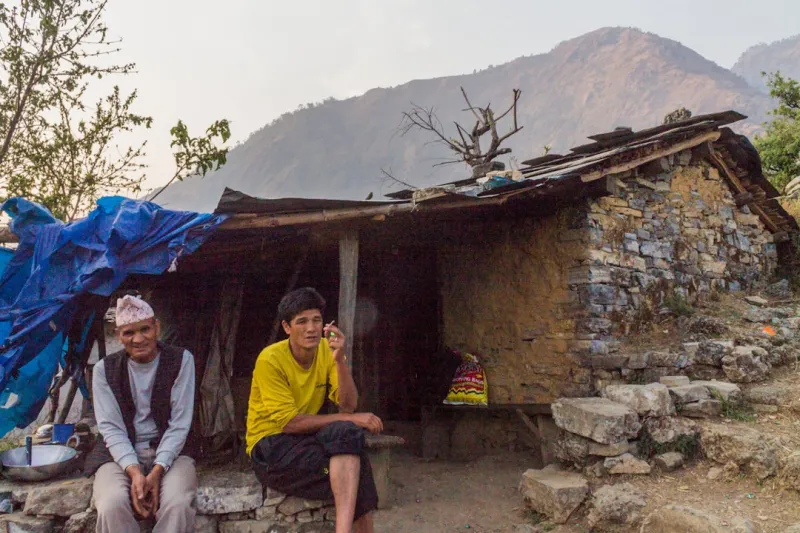
The Impact of Tariffs on Rural Communities
The imposition of tariffs on imported goods has been a contentious issue in recent years, with far-reaching consequences for various sectors of the economy. One group that has been disproportionately affected by tariffs is rural communities. Rural areas have long been the backbone of America's agricultural industry, and the effects of tariffs on these communities have been significant. In this article, we will explore the impact of tariffs on rural communities and discuss potential solutions to mitigate these effects.
Economic Consequences
Tariffs have led to increased costs for farmers and rural businesses, making it more challenging for them to compete in the global market. The tariff war with China, for example, resulted in a significant decline in agricultural exports, leading to a substantial loss of income for farmers. This, in turn, has had a ripple effect on the entire rural economy, leading to job losses and decreased economic activity. According to a report by the Rural Mainstreet Index, the tariff war has resulted in a 25% decline in agricultural exports, leading to a significant loss of income for farmers.
Agricultural Industry
The agricultural industry is a vital part of rural economies, and the effects of tariffs on this sector have been particularly pronounced. Farmers have been forced to absorb the costs of tariffs, leading to decreased profitability and increased financial stress. The soybean industry, for example, has been severely impacted, with exports to China declining by over 90%. This has led to a significant decrease in prices, making it challenging for farmers to break even. The importance of rural economies cannot be overstated, and it is essential to find ways to support farmers and rural businesses.
Rural Development
The impact of tariffs on rural communities extends beyond the economic sphere. Rural development and growth have been hindered by the uncertainty and instability created by tariffs. The lack of investment in rural areas has led to a decline in infrastructure development, making it challenging for businesses to operate and for residents to access basic services. Furthermore, the brain drain phenomenon, where young and educated individuals leave rural areas in search of better opportunities, has been exacerbated by the economic instability caused by tariffs.
Potential Solutions
So, what can be done to mitigate the effects of tariffs on rural communities? Firstly, diversification of rural economies is crucial. Encouraging entrepreneurship and innovation in sectors such as renewable energy, tourism, and technology can help reduce dependence on agriculture and create new opportunities for growth. Secondly, support for rural businesses is essential. Governments and organizations can provide resources and training to help businesses adapt to the changing economic landscape.
Government Support
Government support is critical in addressing the challenges faced by rural communities. Policies aimed at reducing the impact of tariffs on rural areas, such as subsidies and trade assistance programs, can help alleviate some of the financial stress faced by farmers and rural businesses. Additionally, investments in infrastructure development, education, and healthcare can help improve the quality of life in rural areas and attract new businesses and residents.
Conclusion
In conclusion, the impact of tariffs on rural communities has been significant, with far-reaching consequences for the economy, agriculture, and rural development. While there are no easy solutions, it is essential to take a comprehensive approach to address these challenges. By supporting rural businesses, promoting diversification, and investing in infrastructure and human capital, we can help mitigate the effects of tariffs and promote sustainable growth and development in rural areas.
The Way Forward
The way forward requires a collaborative effort from governments, businesses, and residents. By working together, we can create a brighter future for rural communities. This includes investing in education and training programs, promoting entrepreneurship and innovation, and supporting rural businesses. Additionally, governments must prioritize policies that support rural development and address the unique challenges faced by rural areas.
Final Thoughts
In the end, the impact of tariffs on rural communities is a complex issue that requires a nuanced and multifaceted approach. By understanding the challenges faced by rural areas and working together to address them, we can create a more sustainable and equitable future for all. As we move forward, it is essential to prioritize the needs of rural communities and ensure that their voices are heard.

Related Posts

Tariff Tactics: Turning Trade Barriers into Business Opportunities
Explore fresh strategies to convert tariff shocks into growth—local sourcing, product reinvention,... Read More

Beyond Borders: Building a Tariff‑Resilient SaaS Hardware Strategy
Tariffs are reshaping the hardware side of SaaS. This guide shows how product teams can build resili... Read More
How Tariffs Are Quietly Redefining What We Pay For
Explore the unseen ways tariffs affect the price of tech, sustainable goods, and local products, and... Read More
Top Posts

Decoding the Hidden Layers of Everyday Expenses
A personal guide to spotting and trimming the silent drains on your budget, from subscription overload to smart energy habits and community resources....Read More

Rediscovering Community: How Time Banking is Revitalizing Canadian Neighborhoods
A fresh look at time banking reveals how Canadians are turning hours into a community currency, strengthening bonds, and supporting affordable, resilient living...Read More

Membership Models: How Restaurants Can Turn Diners into Loyal Stakeholders
Restaurant membership programs are reshaping revenue streams by turning occasional diners into loyal stakeholders. Learn how to design, launch, and measure a su...Read More

The Legal Landscape of Remote Work: Contracts, Privacy, and Liability
A deep dive into the legal essentials for remote work in Canada—contracts, privacy, and liability—offering actionable advice to safeguard employers and empl...Read More
0 Comments
Post Comment
You will need to Login or Register to comment on this post!