

The Rise of Climate‑Driven Tariffs in North America
In recent months, governments have begun to wield tariffs as a lever for environmental policy, imposing duties on carbon‑intensive imports and rewarding low‑emission domestic production, a shift that reshapes the competitive landscape for manufacturers across the continent. This new class of climate‑driven tariffs forces companies to audit their supply chains, invest in greener technologies, and rethink pricing strategies, while also opening a market niche for innovators who can certify carbon‑neutral credentials at scale, turning regulatory pressure into a catalyst for sustainable growth.
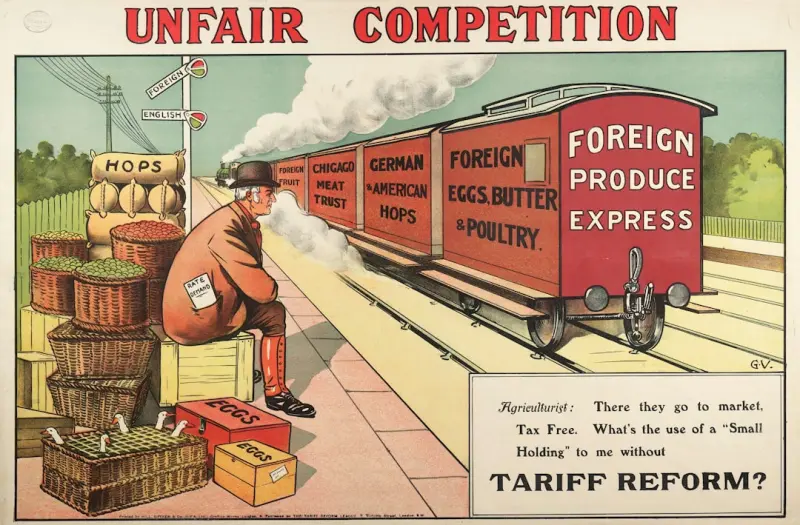
How Agricultural Tariffs Ripple Through Local Food Systems
When a nation raises duties on foreign grains or dairy, the immediate impact appears on import‑price tags, but the downstream effect penetrates farm‑gate economics, reshaping planting decisions, altering land use, and even influencing the viability of small‑scale producers who rely on affordable feed inputs. The resulting price adjustments cascade to grocery shelves, prompting consumers to pivot toward regional produce, which can revitalize local markets but also risk higher food costs for low‑income households if policy design does not incorporate protective measures.
Tech Hardware Tariffs: The Hidden Cost of the Latest Gadgets
Consumers often feel a sting when the latest smartphone or laptop arrives with a heftier price tag, yet few recognize that recent duties on electronic components sourced from overseas have become a silent driver of those increases, prompting manufacturers to relocate assembly lines or absorb costs through slimmer profit margins. This dynamic not only reshapes global supply routes but also accelerates the push for domestic semiconductor production, a strategic move that could eventually lower prices but demands significant public and private investment to compete with entrenched overseas ecosystems.
Tariff Strategies in the Renewable Energy Sector
Renewable energy firms are now navigating a complex web of import duties on solar panels, wind turbine parts, and battery storage units, where tariffs can either hinder project timelines or, when strategically lowered, act as a subsidy that speeds up clean‑energy deployment across the grid. By calibrating tariff rates to align with climate targets, policymakers can incentivize local manufacturing, create skilled jobs, and reduce reliance on foreign supply chains, while also ensuring that the transition to green power remains economically viable for utilities and end‑users alike.
Regional Trade Agreements and Their Hidden Tariff Loopholes
While broad trade pacts promise tariff reductions, they frequently embed sector‑specific exemptions that allow certain industries to maintain higher duties, effectively creating hidden barriers that protect domestic players at the expense of market competition. These loopholes can be especially pronounced in agriculture and textiles, where lobbying influence preserves legacy tariffs, prompting critics to argue that such arrangements undermine the spirit of free trade and perpetuate inequities for emerging producers seeking market access.
Consumer Advocacy: Turning Tariff Transparency Into Action
Activists are increasingly demanding that governments publish detailed breakdowns of tariff structures, arguing that transparency empowers shoppers to make informed choices and pressures legislators to justify duty impositions beyond revenue generation. By linking tariff data to everyday purchase decisions, campaigns can build public momentum that compels policymakers to reconsider punitive duties, especially when they disproportionately affect essential goods or small businesses struggling to stay afloat.
Case Study: The Impact of New Automotive Tariffs
Recent increases in duties on imported vehicles have sent shockwaves through the automotive market, prompting dealers to adjust inventory mixes, incentivize domestic models, and negotiate financing terms that cushion the price rise for consumers, while manufacturers scramble to shift production to North American plants to sidestep the added costs. This scenario illustrates how tariff policy can accelerate reshoring trends, reshape consumer preferences toward locally assembled cars, and spark innovation in electric‑vehicle supply chains as firms seek competitive edges under the new fiscal regime.
Linking Tariffs to the Gig Economy Workforce
Workers in the gig economy often bear the indirect burden of tariff‑induced price hikes, as higher costs for equipment, transportation, and digital services erode earnings, a reality explored in depth by the recent analysis of Navigating the Gig Economy, which highlights how duty adjustments ripple through platform fees and contractor expenses. Understanding this connection empowers advocates to lobby for tariff relief measures that protect gig workers’ livelihoods and sustain the flexible labor market that underpins modern commerce.
Future Outlook: Adaptive Strategies for Businesses Facing Tariff Volatility
Enterprises that thrive amid shifting tariff landscapes are those that embed flexibility into procurement, diversify supplier bases, and leverage data analytics to forecast duty impacts before they crystallize into cost spikes, turning potential setbacks into strategic opportunities for cost optimization and market differentiation. By adopting scenario planning and investing in local innovation ecosystems, companies can not only mitigate risk but also position themselves as leaders in a world where tariffs evolve from static tax instruments to dynamic tools shaping the future of trade, sustainability, and economic resilience.

Related Posts
Beyond Borders: How Modern Tariffs Spark Local Innovation
Tariffs are evolving from simple tax tools into strategic levers that drive regional innovation, sus... Read More

Tariff Playbooks: Turning Trade Barriers into Competitive Advantages for SaaS
A practical guide shows SaaS companies how to turn tariff complexities into competitive advantages, ... Read More

Tariff Transparency: Turning Uncertainty into Team Confidence
Tariff volatility often stalls decision‑making and drags down morale. This post introduces a pract... Read More
Top Posts

The Hidden Power of Employee Advocacy: Turning Your Team into Brand Ambassadors
Learn how turning employees into genuine brand ambassadors can amplify trust, expand reach, and fuel growth, all while fostering a vibrant internal culture....Read More

Tariff Tactics: Turning Trade Barriers into a SaaS Advantage
A fresh look at tariffs reveals hidden opportunities for SaaS firms. Learn strategic levers—from edge infrastructure to localized pricing—that turn trade ba...Read More

Reimagining Rural Healthcare: Telemedicine’s Rise in Canada
Telemedicine is reshaping Canada's remote health landscape, offering accessible care, cultural respect, and innovative partnerships for underserved rural popula...Read More

The Unseen Struggles of Mental Health in Rural Canada
The state of mental health in rural Canada is a pressing concern. Learn about the challenges faced by rural Canadians and what we can do to address them....Read More
0 Comments
Post Comment
You will need to Login or Register to comment on this post!