

Why Human‑First Data Is the Secret Sauce for B2B Growth
When I first stepped into the world of SaaS marketing, the mantra was “collect more data.” We built massive warehouses of click‑streams, form fills, and CRM records, hoping that sheer volume would magically translate into revenue. Years later, the paradox is clear: we have more data than ever, yet many brands still struggle to connect with the people behind the numbers. The answer isn’t less data—it’s a shift in mindset. By treating data as a conversation starter rather than a scoreboard, marketers can create experiences that feel personal, relevant, and ultimately, profitable.
The Myth of the “Cold” Lead
Traditional B2B funnels label anyone who hasn’t yet bought as a “cold” lead. That label carries an implicit belief that prospects are indifferent until we “warm them up” with aggressive outreach. In reality, every lead has already expressed a need, a curiosity, or a pain point—they’re simply waiting for the right signal. When we let data guide us to those signals—behaviors like revisiting a pricing page, downloading a whitepaper, or sharing a post on LinkedIn—we can tailor our messaging to the exact moment they’re ready to engage.
Mapping the Human Journey, Not Just the Funnel
Instead of a linear funnel, think of the buyer’s path as a series of micro‑moments. Each touchpoint is an opportunity to demonstrate empathy, expertise, and relevance. Below are three core stages where human‑first data can make a decisive impact:
- Awareness — Identify the topics and challenges that surface in a prospect’s content consumption. Use intent signals to serve thought‑leadership that speaks directly to their current concerns.
- Consideration — Leverage product‑usage data (when available) to showcase case studies that mirror the prospect’s industry and scale.
- Decision — Deploy real‑time personalization on your pricing or demo pages, reflecting the prospect’s prior interactions and anticipated objections.
By aligning content and offers with each micro‑moment, you turn a cold prospect into a conversation partner who feels heard.
Data as Dialogue: The Practical Playbook
Here’s a step‑by‑step framework to embed human‑first thinking into your data workflow:
- Collect intent, not just clicks. Track keyword searches, webinar registrations, and social listening alerts that reveal what problems your audience is actively trying to solve.
- Enrich with firmographic context. Combine intent data with company size, industry, and tech stack to prioritize accounts that match your ideal customer profile.
- Score with emotion. Traditional lead scoring focuses on activity frequency. Add an “engagement quality” layer that weighs actions indicating urgency—like a repeat visit to the pricing calculator.
- Automate humane triggers. When a prospect hits a high‑urgency signal, fire a personalized email from a real sales rep, referencing the exact piece of content they just viewed.
- Iterate with feedback loops. Use post‑interaction surveys and conversation transcripts to refine your scoring model, ensuring it stays aligned with actual buying behavior.
Human‑Centric Contracts: A Case Study in Legal Design
One of the most overlooked moments in the B2B journey is the contract negotiation phase. A recent article on legal design for SaaS agreements illustrates how simplifying contract language and visualizing key terms can dramatically increase close rates. By applying the same human‑first lens—using clear, jargon‑free language and interactive previews—you turn a traditionally dreaded step into a collaborative experience, reinforcing trust and reducing friction.
From Data Overload to Insightful Storytelling
Data alone is cold; storytelling makes it warm. When you translate raw metrics into narratives—“Your team’s recent surge in trial activations shows a growing appetite for automated reporting”—you give prospects a reason to envision success with your solution. Use visual dashboards, short video snippets, or interactive infographics to convey these stories. The goal is to make the prospect the hero of the narrative, with your product as the trusted sidekick.
Balancing Personalization with Privacy
In the age of privacy‑first regulations, the temptation to over‑collect can backfire. The key is transparency: let prospects know what data you’re using and why. A concise privacy notice coupled with an easy opt‑out mechanism builds credibility. Moreover, anonymized aggregate insights can still power personalized experiences without compromising individual identities. Remember, respect for privacy is itself a powerful brand differentiator.
Leveraging User‑Generated Content for B2B SaaS
While user‑generated content (UGC) is a staple in consumer marketing, many B2B teams overlook its potential. Encourage satisfied clients to share short video testimonials, success‑story snapshots, or even code snippets that illustrate how they integrated your API. Curate this content on your website and in nurture sequences. Prospects trust peer experiences more than polished sales copy—UGC becomes the social proof that bridges the trust gap.
Digital Wellness Strategies for Sales Teams
Just as marketers must consider the well‑being of their audiences, sales enablement should prioritize the health of its own people. A recent piece on digital wellness strategies outlines how reducing screen fatigue can boost focus and empathy during client calls. Simple practices—like scheduled screen‑free breaks and mindful breathing exercises—can make your salesforce more present, improving the quality of every human interaction.
Measuring Success: The New KPI Set
Traditional metrics like MQLs and CAC still matter, but they don’t capture the nuance of human‑first marketing. Consider adding these indicators to your dashboard:
- Engagement Sentiment Score – an AI‑driven analysis of tone in emails, chat logs, and social comments.
- Micro‑Conversion Velocity – the speed at which prospects move between micro‑moments (e.g., from webinar attendance to demo request).
- Contract Clarity Index – a measure of how many contract clauses are queried or flagged for clarification during negotiations.
- Wellness Adoption Rate – the percentage of sales reps who regularly use digital‑wellness tools, correlating to higher close rates.
These KPIs shift focus from volume to quality, reinforcing the human‑first philosophy.
Future‑Proofing Your Marketing Stack
Technology evolves, but the core principle remains: data should serve people, not the other way around. When evaluating new tools—whether an AI‑driven content generator or a next‑gen CDP—ask yourself:
- Does this platform help us understand prospect emotions?
- Can it surface real‑time signals that prompt humane outreach?
- Does it respect privacy by design?
If the answer is yes, the tool is likely a good fit. If you’re forced to choose between raw power and human relevance, always opt for relevance.
Conclusion: The Human‑First Imperative
In a landscape saturated with data, the brands that rise above the noise are those that remember there’s a person behind every click, download, and demo request. By treating data as a dialogue, aligning micro‑moments with genuine empathy, and embedding transparency throughout the journey, you create a marketing engine that not only drives revenue but also builds lasting relationships. The future of B2B isn’t about smarter algorithms alone—it’s about smarter humans using those algorithms to listen, respond, and grow together.

Related Posts

Scouts Canada Launches National Contest: Calling on Kids to Create Canada's Next Great Superhero!
OTTAWA, ON – June 3, 2025 /CNW/ – In a time when national pride is soaring and Canadians... Read More

The Story‑First Playbook: Turning Narrative Sequencing into B2B Growth
A deep dive into the narrative sequencing framework that positions prospects as heroes, guides them ... Read More

Conversational Commerce: Turning Chat Into Checkout
Discover how conversational commerce reshapes the buying journey by turning real‑time chat into se... Read More
Top Posts

Unleashing Employee Advocacy: The Secret Weapon for B2B SaaS Growth
Employee advocacy transforms everyday staff into trusted marketers, boosting brand visibility and pipeline. Learn a step‑by‑step framework, measurement tact...Read More

The Secret Ingredient You’ve Been Ignoring: Restaurant Sound Design
Explore why sound is the invisible seasoning in dining. Learn science‑backed strategies, tech tools, and case studies to craft a soundtrack that boosts flavor...Read More
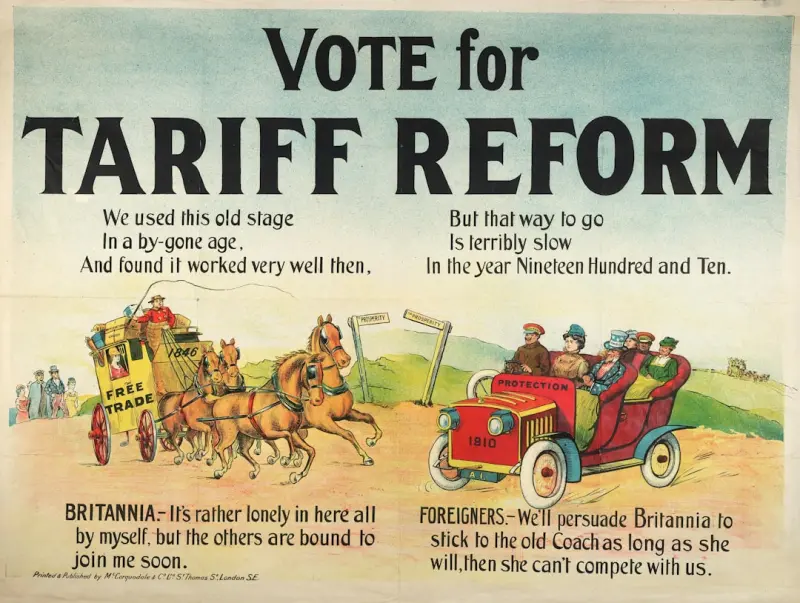
Tariffs as Community Catalysts: Turning Duties into Local Opportunity
Discover how tariffs reshape community dynamics, influence consumer psychology, and offer a strategic playbook for small businesses to turn duty hikes into grow...Read More

From River to Plate: Ontario’s Freshwater Flavors and How to Cook Them
Explore the culinary side of Ontario’s abundant lakes, from proper fish prep to signature recipes, pairing tips, and community traditions that turn every catc...Read More
0 Comments
Post Comment
You will need to Login or Register to comment on this post!