
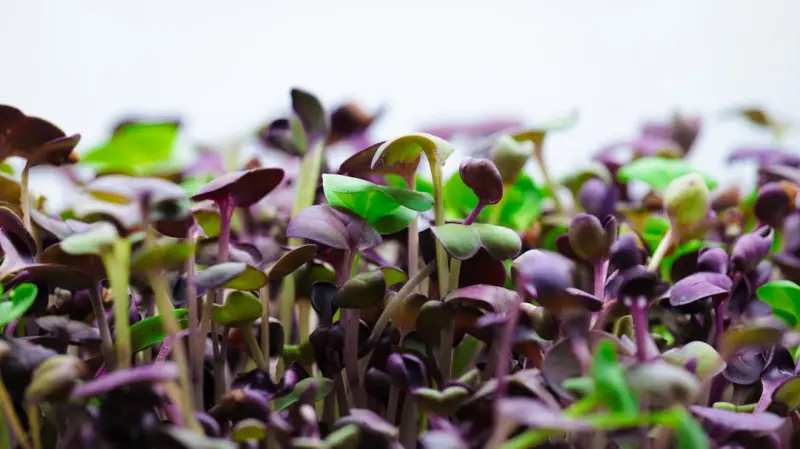
Why Microgreens Are the Unsung Heroes of Urban Nutrition
Living in a bustling city often means limited access to fresh, farm‑grown produce. Grocery aisles are stocked with lettuce that was harvested weeks ago, and the price tag on premium greens can make even the health‑conscious balk. Enter microgreens – the miniature, tender shoots of vegetables, herbs, and legumes that pack a nutritional punch far beyond their size. In my years of experimenting with food as a tool for performance, I’ve found that these tiny plants can transform a bland, office‑friendly lunch into a vibrant, nutrient‑dense feast without demanding a backyard or a mountain of time.
The Science Behind the Super‑Size Benefits
Microgreens aren’t just “baby greens.” When a seed germinates and pushes through the soil, it stores a burst of phytonutrients to protect its tender shoots. Studies have shown that, on a per‑gram basis, microgreens can contain up to 40 times more antioxidants than their mature counterparts. This includes vitamins C, E, and K, as well as a suite of polyphenols and carotenoids that fight oxidative stress, support immune function, and even improve skin elasticity.
What’s more, the rapid growth cycle – typically 7 to 21 days – means you’re harvesting at the peak of nutritional density. While a mature kale plant may allocate resources to stalk development, a microgreen harvest focuses all its energy on leaf tissue, where the vitamins and minerals reside.
Choosing the Right Varieties for Maximum Impact
Not all microgreens are created equal, and the best choice depends on the health goal you’re chasing. Here’s a quick guide:
- Broccoli microgreens – Rich in sulforaphane, a compound linked to detoxification pathways and anti‑inflammatory effects.
- Red cabbage microgreens – Packed with anthocyanins, offering powerful antioxidant support and a vibrant splash of color.
- Sunflower microgreens – Provide a healthy dose of protein, essential fatty acids, and vitamin E.
- Radish microgreens – Deliver a peppery kick while supplying vitamin A and potassium.
- Pea shoot microgreens – High in fiber and folate, great for supporting cardiovascular health.
By rotating varieties weekly, you can create a rainbow of nutrients that supports everything from brain health to gut resilience.
Setting Up a Microgreen Station in a Small Apartment
One of the most appealing aspects of microgreens is their minimal footprint. All you need is a shallow tray (about 2 inches deep), a light‑proof cover, and a reliable source of light. If you’re lucky enough to have a sunny windowsill, natural light will do the trick; otherwise, a simple LED grow light can supply the 12–16 hours of illumination needed for vigorous growth.
Here’s a step‑by‑step starter kit:
- Gather supplies – trays, a breathable growing medium (coconut coir or peat‑based mats work well), and high‑quality seeds.
- Prep the tray – Spread the growing medium evenly, dampen it with water, and let it settle for a few minutes.
- Sow the seeds – Distribute them thinly across the surface. Over‑crowding can lead to mold, so aim for a light dusting.
- Cover and darken – Place a lid or another tray on top to keep the seeds in darkness for the first 2–3 days, encouraging sprouting.
- Water daily – Mist the surface with a spray bottle to keep the medium moist but not soggy.
- Introduce light – Once the seedlings break through, remove the cover and position your tray under a light source.
- Harvest – When the cotyledons are fully opened and the true leaves are just starting to unfurl (usually 7–14 days), snip the greens just above the medium.
Because the cycle is so short, you can have a continuous supply by staggering trays – start a new batch every few days.
Integrating Microgreens Into Everyday Meals
Microgreens are incredibly versatile. Their delicate texture and concentrated flavor make them ideal for:
- Salad boosters – Toss a handful into mixed greens for an instant nutrient upgrade.
- Sandwich and wrap toppings – Swap out lettuce for radish or pea shoot microgreens for extra crunch.
- Smoothie power‑ups – Blend a small handful into fruit smoothies for a vitamin surge without altering taste.
- Garnish for soups and bowls – A sprinkle of broccoli microgreens adds both visual appeal and a health kick.
- Egg enhancements – Fold microgreens into scrambled eggs or omelets for a protein‑rich, colorful dish.
Because they’re harvested so young, microgreens retain a gentle, fresh flavor that complements rather than overwhelms the main ingredients.
Microgreens and the Bigger Picture of Sustainable Eating
Beyond personal health, microgreens contribute to a more sustainable food system. Their resource efficiency is remarkable: they require less water, land, and fertilizer than conventional crops. A single tray can yield the equivalent of a full‑size head of lettuce while using a fraction of the space.
For city dwellers, growing microgreens reduces reliance on long supply chains, cutting down on food miles and associated carbon emissions. Moreover, because they’re harvested so quickly, there’s virtually no waste – the growing medium can be composted, and the seeds can be stored for future cycles.
When you pair this practice with smart ingredient pairings, you unlock a synergy that amplifies both taste and nutrition. For instance, combining vitamin‑C‑rich radish microgreens with iron‑dense lentil salads enhances iron absorption, turning a simple dish into a nutrient‑optimizing powerhouse.
Microgreens Meet Technology: From Data‑Driven Insights to Personalized Harvests
While microgreens are low‑tech by nature, you can still harness modern tools to fine‑tune your growing conditions. Simple sensors that monitor humidity and temperature can send alerts to your phone, ensuring you never over‑ or under‑water your trays. For the data‑enthusiast, tracking growth rates and yield per seed batch can reveal which varieties thrive best under your specific lighting setup.
Integrating this data into a broader data‑driven kitchen approach allows you to align your meals with personal health goals, whether you’re chasing higher protein intake for muscle recovery or more antioxidants for stress resilience. Over time, you’ll develop a personal microgreen profile that tells you exactly which seeds to sow for the optimal nutrient cocktail on any given day.
Overcoming Common Challenges
Even seasoned growers hit a few snags. Here are solutions to the most frequent issues:
- Mold formation – Ensure proper airflow and avoid over‑watering. A thin misting schedule and a fan can keep humidity in check.
- Uneven growth – Seed density matters. Spread seeds evenly and consider using a seed‑spreader for consistency.
- Flavor blandness – Some microgreens taste milder when harvested too early. Allow a few extra days for the true leaves to develop a richer profile.
- Space constraints – Stackable trays or vertical farms can multiply your growing capacity without expanding your footprint.
Microgreens as a Bridge to personalized nutrition
The future of health is moving toward customization, and microgreens fit perfectly into this paradigm. By selecting specific varieties based on your genetic predispositions, lifestyle, and health metrics, you can design a microgreen regimen that addresses your unique needs. Want to boost your collagen production? Opt for red cabbage and kale microgreens rich in vitamin C and K. Need more omega‑3s? Sunflower microgreens provide a plant‑based source.
Coupled with wearable health trackers that monitor biomarkers, you can adjust your microgreen intake in real time, creating a dynamic loop of feedback and improvement. This approach transforms a simple kitchen habit into a precision health tool.
Conclusion: Small Plants, Big Impact
Microgreens embody the perfect convergence of convenience, nutrition, and sustainability. They empower busy professionals, apartment dwellers, and anyone craving a fresh, health‑forward lifestyle to take control of their diet without the logistical hurdles of traditional gardening. By embracing microgreens, you’re not only feeding your body the concentrated nutrients it craves but also contributing to a greener, more resilient food ecosystem.
So next time you pass by a grocery store aisle full of wilted lettuce, remember that a tray of vibrant, home‑grown microgreens can be just a countertop away, ready to elevate your meals and your health.

Related Posts
Harvesting Health: How Home-Grown Microgreens Supercharge Your Diet
Microgreens deliver concentrated nutrition in a tiny space, making them perfect for busy lifestyles.... Read More

Unlocking the Sprout Revolution: How Tiny Greens Supercharge Your Health
Sprouting turns humble seeds into nutrient‑dense greens that enhance digestion, reduce waste, and ... Read More

Fermentation Fix: Harnessing Microbes for Everyday Health
Explore the science, simplicity, and sustainable benefits of fermenting everyday foods—from kimchi... Read More
Top Posts

Micro-Influencer Networks: The Untapped Engine Driving B2B Marketing
Micro‑influencer networks offer B2B marketers a new way to earn trust, reach niche decision‑makers, and shorten sales cycles by leveraging authentic industr...Read More

Hybrid Cabins: The New Frontier of Canadian Living
Discover why Canadians are swapping city apartments for hybrid cabins that blend high‑speed workspaces with rustic charm, offering affordability, health benef...Read More

Celebrating Life's Milestones: Why Prom and Graduation Matter
Prom and graduation are more than just parties and ceremonies; they represent the culmination of years of hard work, dedication, and perseverance. Read more abo...Read More

Why Restaurants Are Turning Dining Into an Immersive, Data‑Powered Adventure
Explore the new era of dining where immersive atmospheres, personalized loyalty, and pop‑up kitchens combine to turn every restaurant visit into a memorable e...Read More
0 Comments
Post Comment
You will need to Login or Register to comment on this post!