
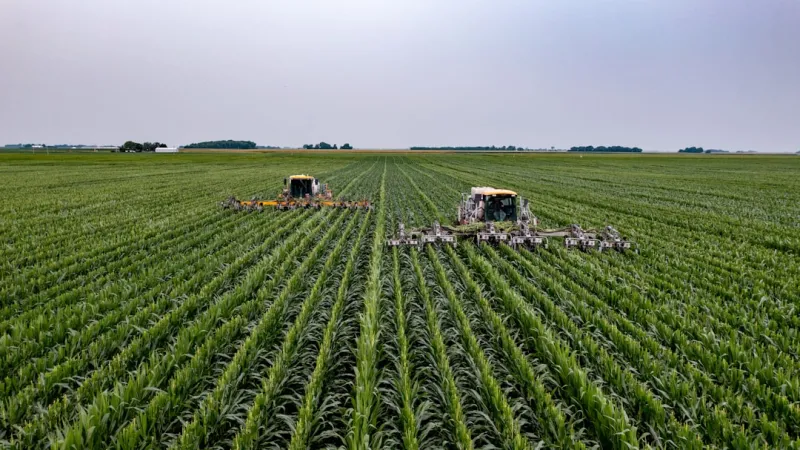
The Evolution of Canadian Agriculture: A Shift Towards Sustainable Practices
As a keen observer of the Canadian agricultural landscape, I, Alex Moss, have witnessed firsthand the significant transformations that have taken place in recent years. The industry, once characterized by traditional farming methods, is now undergoing a substantial shift towards sustainable practices. This change is not only driven by the need to address pressing environmental concerns but also by the growing demand for locally sourced, organic produce. Sustainability has become a core value in Canadian agriculture, with many farmers embracing innovative techniques to reduce their ecological footprint.
The Rise of Sustainable Agriculture
The Canadian agricultural sector has long been a cornerstone of the country's economy, with farming playing a vital role in providing food for both domestic consumption and export. However, the industry's growth has often come at the expense of the environment, with conventional farming methods contributing to soil degradation, water pollution, and loss of biodiversity. In response to these challenges, a growing number of farmers are turning to sustainable agriculture, which prioritizes the health of the land, the well-being of rural communities, and the quality of the produce. For instance, a recent study on Canadian agriculture highlighted the importance of adopting sustainable practices to ensure the long-term viability of the industry.
The Challenges Facing Canadian Farmers
Despite the growing interest in sustainable agriculture, Canadian farmers continue to face significant challenges. Climate change, in particular, has had a profound impact on the industry, with rising temperatures, changing precipitation patterns, and increased frequency of extreme weather events affecting crop yields and livestock productivity. Furthermore, many farmers struggle to access the resources and support they need to transition to sustainable practices, including financial assistance, technical expertise, and market access. As I discussed in a previous article, these challenges can have a disproportionate impact on small-scale and marginalized farmers, who often lack the resilience and resources to adapt to changing conditions.
The Role of Policy in Supporting Sustainable Agriculture
To address the challenges facing Canadian farmers and support the growth of sustainable agriculture, policymakers must play a crucial role. This includes providing financial incentives for farmers to adopt sustainable practices, investing in research and development to improve the efficiency and effectiveness of sustainable agriculture, and promoting Canadian produce through targeted marketing initiatives. For example, climate change policies can have a significant impact on the agricultural sector, and policymakers must consider the needs of farmers when developing and implementing these policies.
The Benefits of Sustainable Agriculture
The benefits of sustainable agriculture are numerous and well-documented. By adopting sustainable practices, farmers can improve soil health, reduce greenhouse gas emissions, and promote biodiversity. Sustainable agriculture also contributes to the well-being of rural communities, providing jobs and economic opportunities that help to maintain the social fabric of rural Canada. Moreover, sustainable agriculture helps to ensure a consistent and high-quality food supply, which is essential for both domestic consumption and export. Some of the key benefits of sustainable agriculture include:
- Improved soil health through reduced tillage and increased use of organic amendments
- Reduced greenhouse gas emissions through the use of renewable energy and efficient irrigation systems
- Promoting biodiversity through the use of crop rotation and conservation tillage
- Supporting rural communities through job creation and economic opportunities
The Future of Canadian Agriculture
As the Canadian agricultural sector continues to evolve, it is clear that sustainable agriculture will play an increasingly important role. With the global demand for locally sourced, organic produce on the rise, Canadian farmers are well-positioned to capitalize on this trend. However, to succeed, they will need access to the resources and support they need to adopt sustainable practices, including financial assistance, technical expertise, and market access. By working together, policymakers, farmers, and other stakeholders can help to build a more sustainable and resilient agricultural sector that benefits both people and the planet.
Conclusion
In conclusion, the evolution of Canadian agriculture is a complex and multifaceted issue that requires a comprehensive approach. By prioritizing sustainability, promoting innovative practices, and providing support to farmers, we can help to build a more resilient and sustainable agricultural sector that benefits both people and the planet. As we look to the future, it is clear that sustainable agriculture will play a critical role in shaping the Canadian agricultural landscape. By working together, we can create a brighter future for Canadian farmers, rural communities, and the environment.
Recommendations for Sustainable Agriculture
To support the growth of sustainable agriculture in Canada, I recommend the following:
- Increased investment in research and development to improve the efficiency and effectiveness of sustainable agriculture
- Financial incentives for farmers to adopt sustainable practices, such as organic farming and regenerative agriculture
- Promoting Canadian produce through targeted marketing initiatives to support local food systems
- Providing technical expertise and support to farmers to help them transition to sustainable practices
By implementing these recommendations, we can help to build a more sustainable and resilient agricultural sector that benefits both people and the planet. As we move forward, it is essential that we prioritize sustainability, promote innovative practices, and provide support to farmers. By working together, we can create a brighter future for Canadian farmers, rural communities, and the environment.
Final Thoughts
In final thoughts, the evolution of Canadian agriculture is a critical issue that requires a comprehensive approach. By prioritizing sustainability, promoting innovative practices, and providing support to farmers, we can help to build a more resilient and sustainable agricultural sector that benefits both people and the planet. I believe that by working together, we can create a brighter future for Canadian farmers, rural communities, and the environment.

Related Posts

Why a Remote‑First Mindset Is the Competitive Edge Small Businesses Need
A remote‑first mindset transforms small businesses by unlocking talent, cutting overhead, and fost... Read More
The Future of Canadian Agriculture: Challenges and Opportunities
The Canadian agriculture sector is a vital part of the country's economy, but faces numerous challen... Read More
From Silos to Synergy: Building an Internal Innovation Marketplace
Discover a step‑by‑step guide to building an internal innovation marketplace, a system that turn... Read More
Top Posts

The Flavors of Tradition: How Rural America is Redefining the Food Scene
Rural America is redefining the food scene through local food systems, artisanal production, and community-driven initiatives. Learn about the challenges and op...Read More

Chasing the Twilight Trophies: Night‑time Bass Secrets in Ontario’s Lesser‑Known Waters
Explore the unique ecosystem of Ontario’s night waters, learn how to locate hidden hot spots, choose the right gear, and adopt safe, sustainable practices for...Read More

Parental Warning: The Silent Data Harvest in Kids’ Wearables
A deep dive into the unseen data collection behind kids’ smartwatches, revealing privacy, health, and psychological concerns, and offering actionable steps fo...Read More

The Rise of Sustainable Tourism: A New Era for Travel
The rise of sustainable tourism is a growing trend that's transforming the way we travel. By being mindful of the environment, culture, and local communities, w...Read More
0 Comments
Post Comment
You will need to Login or Register to comment on this post!