
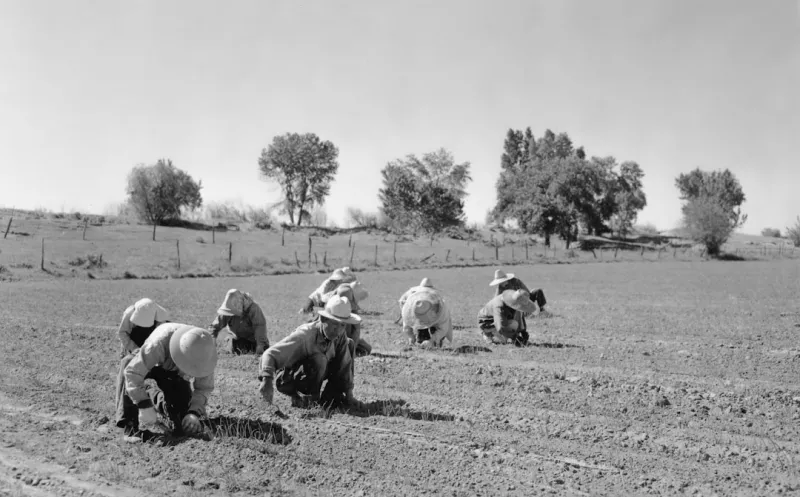
Canadian Farmers Face Unique Challenges
Life on the Land
Canadian farmers play a vital role in the country's economy, producing a significant portion of the nation's food supply. However, they face a multitude of challenges that are both unique and daunting. From unpredictable weather patterns to fluctuating market prices, farmers must navigate a complex web of factors to ensure their operations remain viable. Despite these challenges, Canadian farmers remain committed to their work, and their dedication to the land and their communities is evident in everything they do. Rural health disparities are a significant concern for Canadian farmers, who often have limited access to healthcare services and support.
Economic Pressures
The economic pressures facing Canadian farmers are substantial. Many farmers struggle to make ends meet, as market prices for their products often fluctuate wildly. This can make it difficult for farmers to budget and plan for the future, leading to financial stress and uncertainty. Furthermore, the rise of tariffs and trade disputes has had a significant impact on Canadian farmers, who rely heavily on exports to generate revenue. The impact of tariffs on rural communities has been particularly severe, with many farmers struggling to adapt to the changing trade landscape. To mitigate these effects, farmers must be creative and resourceful, finding new ways to reduce costs and increase efficiency.
Finding Ways to Save
One way Canadian farmers can reduce costs is by implementing savvy financial strategies. This might involve slashing rural expenses through careful budgeting and planning. For example, farmers might consider investing in energy-efficient equipment, or exploring alternative sources of revenue, such as agritourism. By diversifying their income streams, farmers can reduce their reliance on a single source of revenue, making their operations more resilient to economic shocks. Additionally, farmers can take advantage of government programs and resources designed to support rural communities and promote economic growth.
Access to Healthcare
Another significant challenge facing Canadian farmers is access to healthcare. Many rural communities have limited access to healthcare services, making it difficult for farmers to get the medical care they need. This can be particularly problematic for farmers who are injured or ill, as they may need to travel long distances to receive treatment. The lack of access to healthcare services can also have a broader impact on rural communities, contributing to rural health disparities. To address this issue, governments and healthcare providers must work together to improve access to healthcare services in rural areas.
The Intersection of Law and Rural Living
The intersection of law and rural living is another area of concern for Canadian farmers. As rural communities continue to evolve, new laws and regulations are being put in place to govern land use and development. However, these laws can sometimes have unintended consequences, such as limiting the ability of farmers to operate their businesses. The intersection of law and rural living is a complex issue that requires careful consideration and collaboration between policymakers, farmers, and other stakeholders. By working together, it is possible to find solutions that balance the needs of rural communities with the needs of farmers and other land users.
Revitalizing Rural Economies
Revitalizing rural economies is a critical issue for Canadian farmers and rural communities. Many rural areas are facing significant economic challenges, including declining populations and limited job opportunities. To address these challenges, governments and community leaders must work together to develop new economic strategies and initiatives. This might involve investing in infrastructure, promoting tourism, and supporting entrepreneurship. By taking a proactive and collaborative approach, it is possible to revitalize rural economies and create new opportunities for Canadian farmers and rural communities.
Opportunities for Growth
Despite the challenges they face, Canadian farmers are well-positioned to take advantage of emerging trends and opportunities. For example, there is a growing demand for locally produced food, and many farmers are exploring new markets and distribution channels. Additionally, advances in technology are providing new tools and resources for farmers, making it easier to manage their operations and increase efficiency. By embracing innovation and entrepreneurship, Canadian farmers can create new opportunities for growth and development.
Conclusion
In conclusion, Canadian farmers face a unique set of challenges, from economic pressures to limited access to healthcare services. However, by working together and embracing innovation and entrepreneurship, it is possible to overcome these challenges and create new opportunities for growth and development. Whether through slashing rural expenses or exploring new markets and distribution channels, Canadian farmers are committed to their work and to their communities. As the agricultural sector continues to evolve, it will be essential for policymakers, farmers, and other stakeholders to work together to address the challenges facing Canadian farmers and rural communities.

Related Posts

Harvesting Hope: The Quiet Revolution in Farmer Well‑Being
Canadian farmers are quietly transforming their approach to health by integrating regenerative agric... Read More
From Fields to Festivals: Canadian Farmers Embrace Agri‑Tourism
Canadian farms are opening their gates to visitors, turning fields into festivals and creating new r... Read More

Regenerative Roots: Turning Soil Health into Profit for Canadian Farmers
Canadian farmers are discovering that regenerative agriculture isn’t just good for the earth—itâ... Read More
Top Posts

Beyond the Tassel: Reinventing Prom and Graduation for the Digital Age
A deep dive into the emerging trends—live‑streaming, VR venues, eco‑friendly gowns, data‑driven planning, and community partnerships—that are moderniz...Read More

Why Your Desk Lamp Could Be Sabotaging Your Sleep (And How to Fix It)
Modern office lighting can throw off your circadian rhythm, leading to poor sleep and reduced performance. Learn why your desk lamp matters and how to adjust it...Read More

Unlocking Hidden Savings with SaaS Buying Clubs
This post explores how forming a SaaS buying club—where multiple companies pool their demand—can secure volume discounts, better contract terms, and additio...Read More

Reinventing the Home Pantry: Forgotten Grains, Fermentation, and Flavor Innovation
Discover how ancient grains and home fermentation can revitalize your pantry, offering new flavors, health benefits, and sustainable cooking ideas....Read More
0 Comments
Post Comment
You will need to Login or Register to comment on this post!