
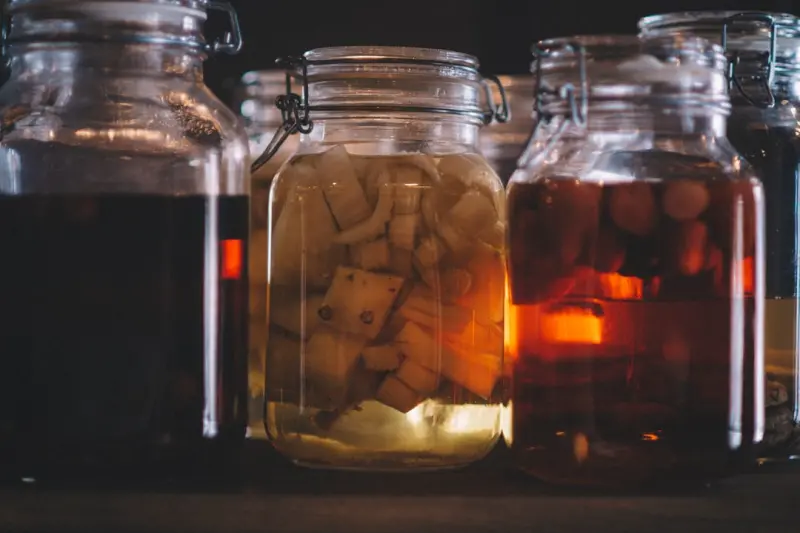
Why Fermentation is the Quiet Revolution in Modern Kitchens
When I first stumbled upon a jar of bubbling kimchi in my aunt’s pantry, I thought it was just another exotic condiment. Fast‑forward a few months of experiments, and I realized I was holding a living culture that could transform everything from my morning smoothie to the weekend dinner party. Fermentation isn’t just a culinary technique; it’s a conversation with microbes, a way to reclaim flavor, and a surprisingly sustainable habit that fits perfectly into a busy, tech‑savvy lifestyle.
The Science Behind the Sour
At its core, fermentation is a metabolic dance between sugars and microorganisms—bacteria, yeasts, and sometimes even wild molds. These tiny partners convert carbohydrates into acids, alcohols, and gases, creating the tangy, umami‑rich profiles we love in sauerkraut, kefir, and sourdough. What’s fascinating is how the same process that preserves food for centuries also produces probiotic compounds that support gut health, immune function, and even mood regulation.
For the home cook, this means two wins: flavor amplification and a natural boost to wellbeing. And the best part? You don’t need a laboratory. A clean jar, a pinch of salt, and a dash of curiosity are enough to start the adventure.
Getting Started: The Minimalist’s Fermentation Kit
- Container: A wide‑mouth glass jar (1‑liter works well) with a breathable lid—think a piece of cheesecloth secured with a rubber band.
- Salt: Non‑iodized sea salt or kosher salt. Salt controls the environment, encouraging beneficial microbes while suppressing spoilage organisms.
- Fresh Produce: Cabbage for sauerkraut, carrots for kimchi, or even fruit for a quick kombucha starter.
- Optional Add‑ins: Garlic, ginger, chili flakes, or herbs to customize flavor profiles.
Once you have the basics, the process is delightfully simple: chop, massage, submerge, and wait. The magic happens in the waiting.
From Kombucha to Koji: A Tour of Trending Ferments
While kombucha has dominated Instagram feeds, there’s a whole ecosystem of fermentations waiting to be explored:
- Kombucha: Sweet tea transformed into a fizzy, tangy probiotic drink. The SCOBY (Symbiotic Culture Of Bacteria and Yeast) is the star, and you can reuse it indefinitely.
- Kimchi: A Korean staple of fermented cabbage, radish, and spices. Its heat and depth make it a perfect side or sandwich filler.
- Sourdough Starter: A living culture that gives bread its characteristic crumb and tang. Maintaining a starter is a daily ritual for many bakers.
- Koji: A Japanese fungus (Aspergillus oryzae) that converts rice, barley, or soy into umami‑rich mash. It’s the backbone of miso, soy sauce, and amazake.
- Fermented Hot Sauce: Blend peppers, garlic, and salt, then let the mixture sit for a week. The result is a sauce that deepens in flavor over time.
Flavor Layering: How Fermentation Elevates Everyday Dishes
Think of fermentation as a seasoning that keeps on giving. Here are three ways to integrate fermented gems into your regular menu:
- Salads: Toss a handful of homemade sauerkraut or kimchi into a mixed greens bowl for crunch and zing.
- Sandwiches & Wraps: Spread kefir‑based tzatziki or a thin layer of miso‑koji paste for a savory lift.
- Soups & Stews: Finish a broth with a splash of kombucha or a spoonful of fermented hot sauce to add complexity without extra salt.
Health Perks You Can Taste (and Feel)
Beyond the culinary excitement, fermented foods have been linked to a host of health benefits. Studies suggest that regular consumption can improve digestion, reduce inflammation, and even support mental health through the gut‑brain axis. While the science is still evolving, the anecdotal evidence from home fermenters—like myself—points to better energy levels, clearer skin, and fewer colds.
Community Fermentation: Sharing Cultures and Stories
One of the most rewarding aspects of fermentation is its communal nature. Swapping starters, sharing recipes, and swapping stories creates a micro‑network of food enthusiasts. In fact, many neighborhoods have started “culture clubs” where members meet monthly to trade jars, troubleshoot fermentation mishaps, and discuss the latest flavor experiments.
These gatherings echo the spirit of other collaborative food movements, like the Zero‑Waste Gourmet approach, where creativity meets sustainability. By exchanging cultures, we also diversify our palates, exposing ourselves to flavors from different cuisines without ever leaving the kitchen.
Scaling Up: From Kitchen Counter to Small‑Batch Business
If your fermentation hobby starts to outgrow your pantry, there’s a viable path to a micro‑enterprise. Many artisans begin by selling jars at local farmers’ markets, pop‑up stalls, or through online platforms. Key considerations for scaling include:
- Regulatory Compliance: Research local food safety regulations, labeling requirements, and licensing.
- Consistent Quality: Develop standard operating procedures (SOPs) for temperature control, fermentation time, and sanitation.
- Brand Storytelling: Consumers love a narrative. Share the origins of your culture, the inspiration behind each flavor, and the health benefits.
- Packaging: Choose sustainable containers—glass jars with recyclable lids are both functional and aesthetically pleasing.
In this context, it’s interesting to see how the rise of ghost kitchens is reshaping food distribution. While ghost kitchens focus on delivery efficiency, fermented product makers can leverage similar logistics for rapid, low‑overhead fulfillment.
Common Pitfalls and How to Avoid Them
Even seasoned fermenters hit a snag now and then. Here are the most frequent challenges and quick fixes:
- Mold Growth: A thin white film is normal; black, green, or fuzzy mold indicates contamination. Remove the surface, tighten the lid, and ensure your jar is fully submerged.
- Flat Flavor: Insufficient salt or too low a temperature can lead to weak acidity. Adjust salt levels (2 % by weight of vegetables) and store jars at 65‑75°F.
- Over‑Fermentation: Too much time can make flavors overly sour. Taste daily after the first week; once you hit the desired tang, refrigerate to slow the process.
- Texture Loss: Over‑crushing vegetables releases excess water, leading to soggy results. Lightly massage instead of pulverizing.
Fermentation as a Creative Outlet
Beyond health and flavor, fermentation is a form of edible art. The visual transformation—from crisp cabbage to ruby‑red kimchi, from milky kombucha to cloudy, effervescent brew—offers endless aesthetic possibilities. Some fermenters even layer colors by using different vegetables in a single jar, creating a rainbow of textures that become conversation pieces at dinner parties.
Looking Ahead: The Next Wave of Fermented Innovation
As consumer interest in functional foods grows, we’re likely to see new hybrid products: fermented fruit spreads, probiotic-infused sauces, and even fermented coffee beans that offer a smoother, less acidic cup. Technology will play a role—smart jars with temperature sensors and pH indicators are already on the market, allowing home chefs to monitor fermentation in real time.
What remains constant is the core principle that makes fermentation timeless: the partnership between human curiosity and microbial ingenuity. Whether you’re a busy professional looking for a quick health boost, a culinary explorer seeking depth, or an aspiring entrepreneur, the fermentation revival invites you to experiment, share, and savor the process.
Getting Your First Batch Going—A Simple Recipe
Ready to dive in? Try this beginner‑friendly sauerkraut recipe. It takes less than 15 minutes of prep and a week of patience.
- Shred a medium head of green cabbage (about 1 kg).
- Mix with 20 g (≈2 %) non‑iodized salt and massage for 5‑7 minutes until the cabbage releases its juices.
- Pack the cabbage tightly into a clean glass jar, ensuring the liquid covers the veggies.
- Seal with a cloth and rubber band, store at room temperature (65‑70°F) away from direct sunlight.
- Check daily for bubbles and taste after 3 days. Once it reaches your preferred tang, move to the refrigerator.
Enjoy the crunchy, probiotic‑rich sauerkraut as a topping for tacos, a side for grilled sausages, or simply straight from the jar—your gut will thank you.
Conclusion: Embrace the Living Kitchen
Fermentation is more than a trend; it’s a return to a living kitchen where ingredients evolve, flavors deepen, and health benefits bloom. By inviting microbes into our daily meals, we reconnect with centuries‑old practices while leveraging modern tools to fine‑tune the process. So grab a jar, a pinch of salt, and let the adventure begin—your palate, body, and community will reap the rewards.

Related Posts

The Secret Sauce: How Storytelling Is Turning Meals Into Viral Experiences
Ann Cinzar explores how powerful food stories—from balcony gardens to AR‑enhanced menus—are tu... Read More

From Scraps to Sips: How Upcycled Beverages Are Changing the Drink Landscape
Upcycled beverages turn kitchen scraps and food waste into flavorful drinks, offering environmental ... Read More
From Coffee Grounds to Kombucha: Mastering Zero‑Waste Home Brewing
Discover three easy home‑brew recipes—coffee kombucha, citrus sparkling water, and veggie‑skin... Read More
Top Posts

Borrow, Build, Belong: How Canada’s Tool Libraries Are Redefining Community Living
Canadian tool libraries are turning neighborhoods into hubs of shared resources, sustainability, and skill exchange, offering residents affordable access to equ...Read More

Rural Living on a Budget: My Top Tips for Saving Money
Learn how to save money while living in a rural area with these top tips from a rural resident. From reducing energy costs to finding affordable entertainment, ...Read More

The Impact of Rural Mental Health on Canadian Businesses
Rural mental health is a pressing concern that affects not only individuals but also Canadian businesses. Learn how to support rural mental health initiatives a...Read More

Toronto's Summer Crown Jewel: Queens Harbour Unveils an Unforgettable Waterfront Experience
Just in time for the vibrant energy of summer, Toronto's iconic Harbourfront is about to welcome a truly transformative dining experience. This Friday, July 11t...Read More
0 Comments
Post Comment
You will need to Login or Register to comment on this post!