
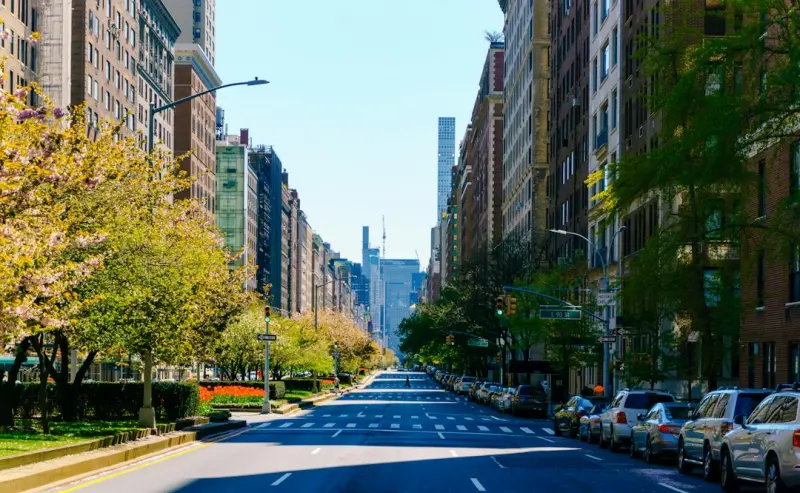
When I first spotted a lone dandelion sprouting between the cracks of a downtown sidewalk, I felt a spark of curiosity that quickly grew into a full‑blown culinary adventure. The city, with its concrete arteries and bustling crowds, holds a hidden harvest waiting to be discovered. Urban foraging isn’t just a hobby for the eco‑enthusiast; it’s a practical, flavor‑driven strategy that can reshape our daily meals, deepen our connection to the environment, and even boost local economies.
Why Urban Foraging Is More Than a Trend
There’s a subtle joy in turning a routine walk into a treasure hunt. Unlike the curated aisles of a grocery store, city sidewalks, park benches, and abandoned lot edges offer a spontaneous pantry of seasonal produce. This approach does three things simultaneously:
- Elevates flavor: Wild greens and herbs develop more complex taste profiles than their cultivated cousins because they adapt to harsher, variable conditions.
- Reduces waste: By harvesting what’s already growing, we sidestep the energy‑intensive processes of farming, shipping, and packaging.
- Fosters community: Sharing a foraged find with neighbors or local chefs creates a micro‑network of knowledge and reciprocity.
And the best part? You don’t need a sprawling backyard or a mountaineering license—just a pair of sturdy shoes, a curiosity, and a basic guide to safe foraging.
Getting Started: The Essentials Checklist
Before you dive in, a quick checklist will keep your foraging safe and rewarding:
- Know the laws: Many cities have regulations about harvesting public flora. A quick call to the local parks department can clear up any legal gray zones.
- Identify correctly: Misidentifying a plant can be dangerous. Invest in a field guide or a reliable mobile app—something that offers high‑resolution photos and locality filters.
- Harvest responsibly: Take only what you need, leave enough for wildlife, and avoid damaging root systems.
- Sanitize: Urban surfaces can harbor pollutants. Rinse greens in a bowl of cool water with a splash of vinegar, then give them a final rinse.
Once you’ve ticked these boxes, the city becomes your seasonal grocery store.
Seasonal Spotlight: Spring’s First Gifts
Spring is the most generous season for city foragers. Here are my top five finds and how I weave them into everyday dishes:
- Wild Garlic (Allium vineale): Its pungent, garlicky aroma is perfect for brightening a simple pasta aglio‑e‑olio. Toss a handful of minced leaves at the end of cooking for an instant flavor lift.
- Red Clover Blossoms: These delicate pink flowers add a subtle sweetness to salads. Pair them with citrus vinaigrette and toasted walnuts for a spring‑time side.
- Chickweed: Often dismissed as a weed, chickweed’s mild, lettuce‑like texture works beautifully in smoothies. Blend it with a banana, almond milk, and a touch of honey for a green boost.
- Plantain Leaves: The broad, sturdy leaves can be used as natural serving platters. Arrange charcuterie or cheese boards directly on them for an earthy presentation.
- Violet Petals: Beyond their visual appeal, violets bring a gentle, honeyed note to desserts. Freeze them into ice cubes for a stunning cocktail garnish.
From Streets to Plate: A Sample Three‑Course Menu
Imagine walking home from work, pocketing a handful of foraged greens, and then crafting a restaurant‑level dinner. Here’s a menu that showcases the versatility of urban finds:
- Starter – Dandelion & Walnut Pesto Crostini
Blend foraged dandelion leaves with toasted walnuts, lemon zest, olive oil, and a pinch of sea salt. Spread over toasted baguette slices and finish with a drizzle of aged balsamic. - Main – Wild Garlic Risotto with Roasted Beet Hearts
Stir minced wild garlic into Arborio rice as it cooks, then fold in roasted beet cubes and a splash of white wine. Finish with grated Parmesan and a handful of fresh parsley. - Dessert – Violet‑Infused Dark Chocolate Mousse
Melt dark chocolate, whisk in a violet‑steeped cream, and fold in whipped egg whites for airy texture. Serve in glass jars topped with a few fresh violet petals.
This menu not only highlights seasonal flavors but also reduces your carbon footprint by sourcing ingredients within a few blocks of your kitchen.
Integrating Technology: Apps, Data, and Community Mapping
While foraging feels like a step back in time, the modern forager can benefit from cutting‑edge tools. A handful of apps now allow users to log their finds, share GPS coordinates, and even rate the taste of specific locations. This crowdsourced data creates a living map of the city’s edible landscape.
One platform even offers a community‑driven guide that cross‑references local ordinances with safe foraging zones. By contributing your observations, you help build a resilient knowledge base that supports newcomers and seasoned foragers alike.
Bridging Foraging With Culinary Innovation
Chefs in high‑end restaurants have begun to incorporate urban foraged items into tasting menus, turning a sidewalk stroll into a culinary narrative. This movement is more than a gimmick; it signals a shift toward hyper‑local sourcing, where the provenance of each leaf or blossom is traceable to a specific city block.
In a recent pop‑up event, the chef paired zero‑waste cocktail ideas with foraged herbs, creating drinks that were both environmentally conscious and dramatically flavored. Imagine a gin cocktail infused with freshly harvested mint and a splash of wild sorrel juice—each sip tells the story of the neighborhood it was gathered from.
Economic Ripple Effects: From Foragers to Farmers Markets
When a forager shares a bounty with a local café, that café may source more regularly from neighborhood foragers, creating a micro‑economy. This exchange can lead to a surge in demand for small‑scale growers who cultivate “city farms” on rooftops, vacant lots, or community gardens.
Such partnerships also open doors for educational workshops, where seasoned foragers teach city dwellers how to identify safe species, and in turn, community gardens gain volunteers who help maintain and expand their plots. The loop is simple: forage, share, learn, repeat.
Safety First: Recognizing Common Pitfalls
Even seasoned foragers can encounter challenges. Here are some red flags to keep in mind:
- Pollution hotspots: Avoid areas near heavy traffic, industrial sites, or where chemicals are applied.
- Misidentification: If you’re uncertain, err on the side of caution—leave the plant untouched.
- Allergies: Some wild foods can trigger reactions. Test a small amount first, especially if you have a known sensitivity to related species.
When in doubt, consult an experienced forager or a local extension office. Their expertise can turn a potential mishap into a learning opportunity.
Scaling Up: From Home Kitchen to Pop‑Up Restaurant
If your foraging finds inspire you to think bigger, consider launching a pop‑up dinner series that showcases city‑harvested ingredients. Here’s a quick roadmap:
- Conceptualize a theme: “Sidewalk Seasons” or “Concrete Garden” can frame the experience.
- Secure a venue: Partner with a local brewery, art gallery, or even a vacant storefront willing to host a one‑night event.
- Source responsibly: Build relationships with a network of foragers to ensure a consistent supply of fresh greens, herbs, and edible flowers.
- Promote through storytelling: Use social media to share the journey of each ingredient—from sidewalk to plate—creating an emotional connection with diners.
This model not only generates revenue but also educates the public on the value of urban biodiversity.
Future Outlook: The Growing Role of Urban Foraging
As cities become denser and climate concerns intensify, the appetite for hyper‑local, low‑impact food sources will only rise. Urban foraging sits at the intersection of sustainability, gastronomy, and community building. By embracing it, we can reclaim a piece of the natural world that often feels lost amid skyscrapers and traffic.
Next time you walk past a patch of wild mustard or a cluster of purslane, pause. Pick a few leaves, bring them home, and let your kitchen become a laboratory for flavors that are as authentic as the streets they grew on.

Related Posts

Taco Fest Returns to Toronto for its Ninth Year: A Muy Caliente Culinary Celebration Awaits
Toronto's culinary landscape is about to get a whole lot spicier as Taco Fest, the city's beloved ce... Read More
When Algorithms Meet Mixology: How AI Is Shaking Up the Cocktail Scene
AI is no longer just for tech—it's crafting the next generation of cocktails. Discover how machine... Read More
Flavor Alchemy: How Tech is Redefining Food & Drink
Explore the cutting‑edge trends—from AI‑crafted cocktails and zero‑waste mixology to hyperlo... Read More
Top Posts

National Data Hubs: Unlocking Canada’s Enterprise Edge
Canada’s national data hubs are transforming fragmented datasets into a unified, secure resource, giving B2B SaaS providers faster market entry, cost predicta...Read More

Chart Your Own Story: Blending Cruise Luxury with Bus Adventure for the Curious Traveler
Explore the art of merging cruise elegance with bus‑tour adventure, creating a story‑driven journey that balances comfort, culture, and community for the mo...Read More

Unlocking Hidden Savings: How to Turn Everyday Routine into a Deal Goldmine
Learn innovative, habit‑forming tactics that turn everyday activities into a steady stream of savings, using tools, community swaps, and smart timing....Read More

Eating to Your Body Clock: The Chrononutrition Guide
Learn how to eat in harmony with your body’s internal clock to improve metabolism, energy, and overall health with actionable chrononutrition strategies....Read More
0 Comments
Post Comment
You will need to Login or Register to comment on this post!