
The Impact of Tariffs on Rural Communities: A Call for Change
As a long-time advocate for rural development, I have always been concerned about the effects of tariffs on small towns and rural communities. Tariffs, or taxes on imported goods, can have a ripple effect on the economy, and rural areas often bear the brunt of these changes. In this article, I will explore the impact of tariffs on rural communities and discuss potential solutions to mitigate their effects.
The Economic Reality of Tariffs
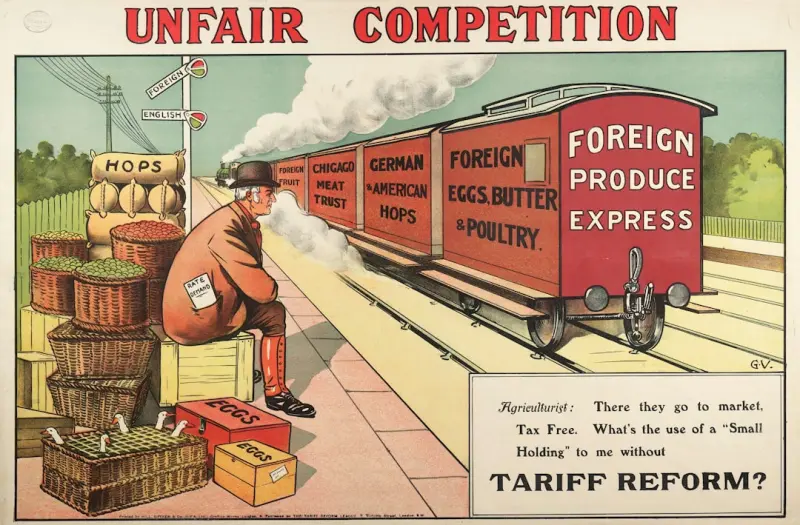
Tariffs can have a significant impact on the economy, particularly in rural areas where industries such as agriculture and manufacturing are prevalent. When tariffs are imposed on imported goods, it can lead to retaliatory measures from other countries, resulting in reduced exports and economic instability. For example, the ongoing trade tensions between the US and China have led to increased tariffs on Chinese goods, affecting rural communities that rely heavily on agriculture and manufacturing. Rural areas are often more vulnerable to these changes due to their limited economic diversification and infrastructure.
The Human Cost of Tariffs
The effects of tariffs are not just economic; they also have a human cost. Rural communities often struggle with limited access to healthcare, education, and other essential services. When tariffs lead to economic instability, it can exacerbate these challenges, making it even harder for residents to access the resources they need. For instance, farmers who are struggling to make ends meet due to tariffs may have to forgo healthcare or education for their families, perpetuating a cycle of poverty. It is essential that we consider the human impact of tariffs and work towards solutions that support rural communities.
The Intersection of Politics and Rural Development
The intersection of politics and rural development is complex, and tariffs are just one aspect of this relationship. Policymakers must consider the needs of rural communities when making decisions about tariffs and trade agreements. This includes engaging with rural stakeholders, understanding their concerns, and working towards solutions that benefit everyone. By doing so, we can ensure that rural communities are not left behind in the face of economic change.
Rural Resilience and Adaptation
Despite the challenges posed by tariffs, rural communities have shown remarkable resilience and adaptability. Many rural areas are thriving, with innovative businesses and community-led initiatives driving growth and development. For example, some rural towns are leveraging their natural resources to develop sustainable tourism industries, while others are investing in renewable energy and technology. By unlocking savings and investing in their communities, rural residents are finding creative ways to overcome the challenges posed by tariffs.
The Future of Rural Business
The future of rural business is uncertain, but one thing is clear: rural communities must be adaptable and innovative to thrive. This includes diversifying their economies, investing in education and training, and leveraging technology to access new markets. By doing so, rural businesses can stay competitive in a rapidly changing global economy. As discussed in our previous article on the future of rural business, there are many trends and opportunities emerging that can support rural growth and development.
Conclusion and Call to Action
In conclusion, the impact of tariffs on rural communities is significant, and it is essential that we consider their needs when making decisions about trade agreements and economic policy. By working together and finding solutions that support rural growth and development, we can ensure that these communities thrive in the face of adversity. I urge policymakers, business leaders, and rural residents to come together to address the challenges posed by tariffs and work towards a brighter future for rural America.
Recommendations for Policymakers
To mitigate the effects of tariffs on rural communities, policymakers can take several steps. Firstly, they must engage with rural stakeholders to understand their concerns and develop solutions that benefit everyone. Secondly, they should invest in programs that support rural development, such as education and training initiatives, infrastructure projects, and business incubators. Finally, they must work towards fair and equitable trade agreements that do not disproportionately affect rural communities.
Recommendations for Rural Residents
Rural residents also have a critical role to play in addressing the challenges posed by tariffs. By stretching their dollars and finding creative ways to save, rural residents can make a significant impact on their local economies. Additionally, they can support local businesses, invest in community-led initiatives, and advocate for policies that benefit their communities.
Final Thoughts
The impact of tariffs on rural communities is complex and multifaceted. However, by working together and finding solutions that support rural growth and development, we can ensure that these communities thrive in the face of adversity. As we move forward, it is essential that we prioritize the needs of rural communities and work towards a brighter future for all.

Related Posts
Beyond Borders: How Modern Tariffs Spark Local Innovation
Tariffs are evolving from simple tax tools into strategic levers that drive regional innovation, sus... Read More

Beyond the Duty: Building Resilient SaaS Strategies Around Tariff Uncertainty
Tariffs are no longer a simple cost line‑item for SaaS businesses. This post explores how to map e... Read More

How Emerging Tariff Trends Are Reshaping Global Commerce
A fresh look at the latest tariff shifts reveals hidden opportunities and challenges for businesses ... Read More
Top Posts

Finding Calm on the High Seas and Open Roads: A Mindful Guide to Modern Cruises and Bus Tours
Discover how cruises and bus tours are quietly weaving mindfulness into itineraries, offering meditation decks, digital‑free zones, and guided audio breaks th...Read More

Hybrid Headquarters: Redefining the Modern Workplace for a Distributed Workforce
A data‑driven guide to building hybrid headquarters that balance flexibility, collaboration, and cost efficiency, turning office space into a strategic asset ...Read More

Traveling with All Five Senses: A Journey Beyond Sight
Explore a fresh travel approach that engages all five senses, turning ordinary trips into vivid, lasting experiences that go beyond typical sightseeing....Read More

Canada’s Political Crossroads: Independent Voices and Digital Democracy
A deep dive into the rise of independent MPs, digital democracy, and how these forces are redefining Canada’s political landscape and voter participation....Read More
0 Comments
Post Comment
You will need to Login or Register to comment on this post!