
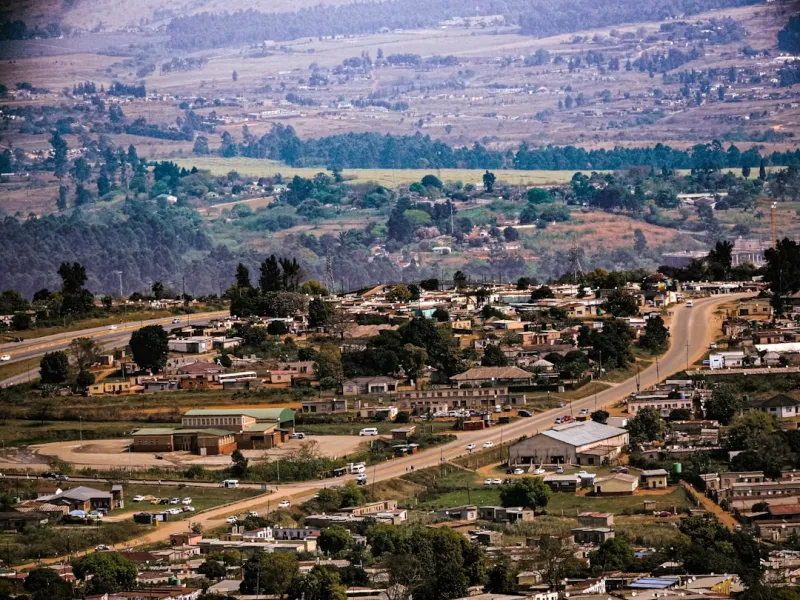
The Intersection of Politics and Rural Development
The relationship between politics and rural development is complex and multifaceted. Rural areas often face unique challenges, such as limited access to resources, infrastructure, and services, which can hinder their economic and social development. In this article, we will explore the intersection of politics and rural development, and discuss the ways in which policymakers can support the growth and prosperity of rural communities.
Rural areas are often characterized by limited economic opportunities, aging populations, and a lack of access to basic services such as healthcare and education. These challenges can be exacerbated by inadequate infrastructure, including roads, bridges, and telecommunications. As a result, rural communities often struggle to attract and retain businesses, talent, and investment. To address these challenges, policymakers must prioritize the needs of rural communities and develop targeted strategies to support their development.
The Importance of Local Marketing
One key strategy for supporting rural development is local marketing. By promoting local businesses and products, rural communities can build their economic base and create jobs. Local marketing initiatives can help to raise awareness about the unique strengths and attractions of rural areas, and encourage tourists and investors to visit and invest. For example, rural communities can leverage their natural resources, cultural heritage, and scenic beauty to develop tourism industries that create jobs and stimulate economic growth.
In addition to promoting local businesses and products, policymakers can also support rural development by investing in infrastructure and services. This can include improving roads and transportation systems, expanding access to healthcare and education, and providing support for rural entrepreneurs and small business owners. By taking a comprehensive approach to rural development, policymakers can help to address the unique challenges faced by rural communities and promote their growth and prosperity.
The Role of Food in Rural Development
Food plays a critical role in rural development, and can be a key driver of economic growth and job creation. Rural areas are often home to rich agricultural resources, and can leverage these resources to develop thriving food systems. Local food initiatives can help to promote rural development by creating jobs, stimulating economic growth, and preserving cultural heritage. For example, rural communities can develop farmers' markets, community-supported agriculture programs, and other initiatives that promote local food systems.
In addition to promoting local food systems, policymakers can also support rural development by providing support for rural entrepreneurs and small business owners. This can include providing access to capital, training, and mentorship, as well as streamlining regulatory processes and reducing bureaucratic barriers. By taking a supportive approach to rural entrepreneurship, policymakers can help to create jobs and stimulate economic growth in rural areas.
The Challenges Facing Rural Businesses
Despite the many opportunities for rural development, rural businesses often face significant challenges. These can include limited access to capital, talent, and markets, as well as inadequate infrastructure and regulatory frameworks. Rural businesses often struggle to access the resources and support they need to succeed, and may face unique challenges such as geographic isolation and limited access to services.
To address these challenges, policymakers can develop targeted strategies to support rural businesses. This can include providing access to capital, training, and mentorship, as well as streamlining regulatory processes and reducing bureaucratic barriers. By taking a supportive approach to rural entrepreneurship, policymakers can help to create jobs and stimulate economic growth in rural areas.
The Importance of Mental Health in Rural Development
Mental health is a critical issue in rural development, and can have a significant impact on the well-being and prosperity of rural communities. Rural areas often face unique mental health challenges, such as isolation, limited access to services, and high rates of substance abuse. To address these challenges, policymakers can develop targeted strategies to support mental health in rural areas. This can include providing access to mental health services, promoting mental health education and awareness, and supporting rural communities in their efforts to build resilience and promote well-being.
In addition to promoting mental health, policymakers can also support rural development by addressing the social determinants of health. This can include investing in housing, education, and employment opportunities, as well as promoting social connections and community engagement. By taking a comprehensive approach to rural development, policymakers can help to address the unique challenges faced by rural communities and promote their growth and prosperity.
The Future of Rural Development
The future of rural development is complex and uncertain, and will depend on a range of factors, including technological change, demographic shifts, and policy priorities. However, by prioritizing the needs of rural communities and developing targeted strategies to support their development, policymakers can help to promote the growth and prosperity of rural areas. This can include investing in infrastructure and services, promoting local marketing and entrepreneurship, and supporting rural communities in their efforts to build resilience and promote well-being.
Ultimately, the future of rural development will depend on the collective efforts of policymakers, community leaders, and rural residents. By working together to address the unique challenges faced by rural communities, we can help to build thriving, prosperous rural areas that are capable of attracting and retaining businesses, talent, and investment.
Conclusion
In conclusion, the intersection of politics and rural development is complex and multifaceted. By prioritizing the needs of rural communities and developing targeted strategies to support their development, policymakers can help to promote the growth and prosperity of rural areas. This can include investing in infrastructure and services, promoting local marketing and entrepreneurship, and supporting rural communities in their efforts to build resilience and promote well-being. By taking a comprehensive approach to rural development, we can help to build thriving, prosperous rural areas that are capable of attracting and retaining businesses, talent, and investment.

Related Posts
Why Proportional Representation Could Redefine Canadian Politics
Canada’s political scene is shifting as calls for proportional representation, Indigenous co‑cre... Read More

Digital Federalism: How Canada Is Reinventing Citizen Engagement
Canada’s political system is undergoing a quiet revolution through digital federalism—integratin... Read More
Canada’s Quiet Shift Toward Digital Sovereignty
A deep dive into Canada’s emerging digital‑sovereignty agenda, examining new policies, industry ... Read More
Top Posts
Community‑Owned Telehealth: A Canadian Blueprint for Health Equity
The post examines how locally governed telehealth hubs empower rural and Indigenous communities, improve health outcomes, and create economic resilience, offeri...Read More

When Algorithms Judge: The Legal Tightrope of AI‑Powered Decision‑Making
A deep dive into how AI‑driven decisions intersect with due process, bias, privacy, and emerging regulations, offering practical steps for lawyers and busines...Read More

Regenerative Roots: Turning Soil Health into Profit for Canadian Farmers
Canadian farmers are discovering that regenerative agriculture isn’t just good for the earth—it’s a lucrative new revenue stream. From carbon credits to c...Read More
How Canadian Farmers Are Reimagining Direct‑to‑Consumer Sales
A farmer’s personal journey reveals how direct‑to‑consumer models are reshaping Canadian agriculture, boosting local economies, and deepening community ti...Read More
0 Comments
Post Comment
You will need to Login or Register to comment on this post!