
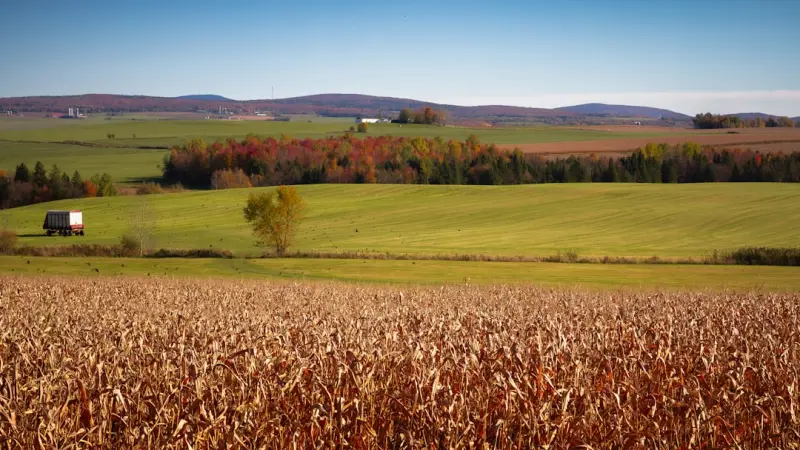
Why I Decided to Take My Harvest Straight to the People
Standing in the early morning mist of my family’s fields, I’ve always felt a deep‑rooted connection to the soil, the sky, and the rhythm of the seasons; yet for years I watched my crops travel through endless layers of distributors before reaching a single dinner plate. The distance between the seed I planted and the forkful of food on a neighbor’s table sparked a lingering question that finally stopped being a vague curiosity and became a clear mission: could I close that gap and let my own voice tell the story of every ear of corn, every head of lettuce? This yearning wasn’t just about profit—it was about authenticity, about ensuring the sweat of my back and the wisdom of my ancestors were not diluted by corporate middlemen. So I began the journey of turning my farm into a brand, a narrative, and a direct conduit to the community that sustains me.
Building Community‑First Sales Channels
The first step was to create a tangible space where locals could walk into the fields and pick up the day’s bounty; a modest farm stand that doubled as a gathering spot for stories, recipes, and weather forecasts. I quickly discovered that the simple act of greeting a customer by name and sharing a slice of farm life generated a loyalty that no advertisement could buy, and the revenue from those face‑to‑face transactions began to rival the seasonal contracts I once relied on. In parallel, I launched a Community Supported Agriculture (CSA) program that let families subscribe to a weekly box, turning the unpredictable nature of farming into a predictable cash flow while inviting members to become co‑creators of the menu. Each box became a curated experience, a seasonal surprise that reinforced the bond between soil and supper.
Crafting a Brand That Speaks the Language of the Land
Branding for a farm isn’t about glossy logos; it’s about translating the language of the land into visuals, words, and experiences that resonate with city dwellers and rural neighbors alike. I started by documenting the daily rituals—seedlings sprouting, rain soaking the rows, the golden hour over the wheat—and turned those moments into a visual story shared on a simple website and social feeds. Consistency mattered: the same earthy tones, the same heartfelt captions, the same commitment to transparency about farming practices. By weaving the narrative of my grandparents’ stories, the science behind soil health, and the taste of freshly harvested produce, I built a brand identity that felt both nostalgic and forward‑thinking, inviting customers to become part of a living legacy.
Leveraging Modern Tools Without Losing the Roots
While my heart remains in the furrows, I quickly learned that digital tools are the new plowshares that can amplify a farmer’s reach; platforms for e‑commerce, email newsletters, and even precision agriculture apps have become essential allies. I integrated a modest inventory management system that syncs my farm stand sales with the online order portal, ensuring I never over‑promise on what the fields can deliver. When it comes to showcasing the science behind my practices, I often reference the breakthroughs highlighted in modern grain technology, explaining how satellite imagery and soil sensors guide my planting decisions. This blend of tradition and tech not only boosts efficiency but also reassures customers that every bite is backed by both heritage and innovation.
Turning Farm Visits Into Experiential Learning
Beyond selling produce, I recognized an untapped opportunity to invite the public onto the land for immersive experiences that turn curiosity into advocacy. Seasonal workshops—like “Harvest Cooking 101,” “Kids’ Soil Science,” and “DIY Fermentation”—invite families to roll up their sleeves, taste the difference, and leave with new skills, effectively turning a simple purchase into a memorable event. The revenue generated from ticketed tours and hands‑on classes supplements the farm’s income while fostering a deeper appreciation for agricultural labor. Moreover, these events become fertile ground for word‑of‑mouth marketing, as participants share their stories on social media, expanding the farm’s reach far beyond the immediate geographic radius.
Smart Financial Strategies for Direct Sales
Transitioning to a direct‑to‑consumer model required a careful audit of cash flow, especially when upfront costs for packaging, signage, and digital infrastructure threatened to outpace early sales. I turned to the principles outlined in unlocking hidden savings, negotiating bulk discounts with local suppliers, repurposing farm waste into compost rather than paying for disposal, and leveraging community bulk‑buying groups for shared resources. By aligning expenses with the seasonal rhythm of planting and harvest, I avoided the pitfalls of year‑round overhead, allowing the farm to stay financially resilient while scaling the direct‑to‑consumer channels at a manageable pace.
Navigating the Logistical Labyrinth
Even with enthusiastic customers, getting fresh produce from the field to the doorstep without compromising quality presents a logistical puzzle that demands precision. I invested in a small refrigerated van equipped with insulated crates, set up a routing schedule that mirrors the natural flow of the harvest, and partnered with a local courier who understands the urgency of perishable goods. Compliance with provincial food safety regulations added another layer of complexity, prompting me to obtain the necessary certifications and maintain meticulous records of temperature logs and traceability. These operational details, though demanding, are the backbone that ensures the farm’s reputation for reliability and freshness remains intact.
Strengthening Community Resilience Through Shared Success
The ripple effect of a thriving direct‑to‑consumer farm extends far beyond the balance sheet; it revitalizes local economies, creates jobs, and offers a sense of pride that bolsters mental well‑being for both farmer and consumer. By collaborating with neighboring artisans—cheese makers, bakers, and beekeepers—I’ve created a micro‑ecosystem where each participant benefits from the others’ audiences, forging a network of mutual support that mirrors the interdependence found in nature. This communal approach not only diversifies income streams but also cultivates a shared narrative of sustainability, where every purchase feels like a vote for a healthier, more resilient region.
Looking Ahead: The Next Chapter of Farm‑Centric Innovation
As I gaze toward the horizon, the vision is clear: a future where farms serve as hubs of nourishment, education, and community connection, all while remaining financially sustainable and environmentally responsible. I plan to expand the CSA model to include specialty items like heirloom seeds and artisanal jams, leveraging the growing appetite for authentic, locally sourced products. By continuing to blend time‑honored farming practices with the strategic use of digital platforms, I aim to inspire a new generation of growers to see their fields not just as sources of crops, but as canvases for storytelling, entrepreneurship, and community empowerment. The journey has just begun, and every sunrise brings another opportunity to deepen the bond between the land and the people who cherish it.

Related Posts
Cultivating Tomorrow: How Canadian Farmers Are Harnessing Renewable Energy
Canadian farmers are turning fields into power plants, using solar, wind, and bioenergy to cut costs... Read More
From the Field to the Cloud: Data‑Driven Wins for Canadian Farmers
Canadian farmers are turning soil sensors, satellite imagery, and cooperative data platforms into po... Read More
Cultivating Resilience: How Canadian Farmers Are Rewriting Rural Well‑Being
Canadian farmers are redefining resilience by addressing mental health, forming cooperative networks... Read More
Top Posts

Tool Libraries: How Shared Workshops Are Redefining Canadian Home Life
Tool libraries are emerging as a cost‑effective, eco‑friendly, and social solution for Canadian households, turning shared workshops into hubs of sustainabi...Read More

AI‑Powered Memory Capsules: Turning One Night Into a Lifetime Archive
Prom and graduation can become more than a fleeting night; using AI-driven memory capsules, graduates can create a living, searchable archive that preserves emo...Read More

A New Era of Growth and Opportunity
Rural America is experiencing a resurgence, with a new era of growth and opportunity emerging. From rural entrepreneurship to rural tourism, learn about the tre...Read More

Breathwork: A Simple Tool for Modern Health
Breathwork offers a science‑backed, low‑effort method to cut stress, sharpen focus, and improve overall health. This post explores the physiology, practical...Read More
0 Comments
Post Comment
You will need to Login or Register to comment on this post!