
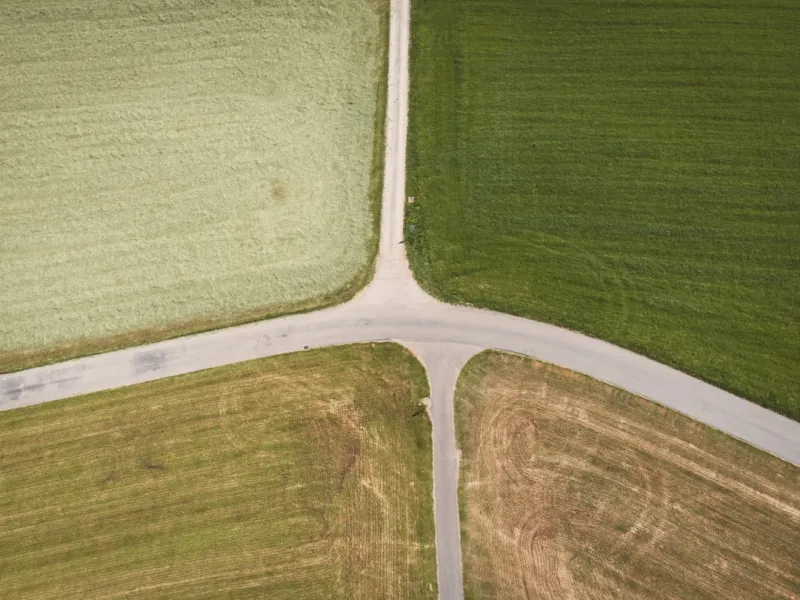
The Intersection of Politics and Rural Development: A Call for Change
As a long-time advocate for rural communities, I have always been fascinated by the intricate relationship between politics and rural development. The decisions made in Ottawa and other provincial capitals have a profound impact on the lives of rural Canadians, from the economy to healthcare and education. In this article, I will explore the current state of rural development in Canada and the role that politics plays in shaping its future.
Rural communities are the backbone of Canada's economy, providing the country with a significant portion of its food, natural resources, and tourism dollars. However, despite their importance, these communities are often overlooked and underfunded. The lack of investment in rural infrastructure, healthcare, and education has led to a decline in population and economic growth. This is a pressing issue that requires immediate attention from politicians and policymakers.
One of the main challenges facing rural communities is the lack of access to basic services such as healthcare and education. Many rural areas are underserved, with limited access to doctors, hospitals, and schools. This has led to a shortage of healthcare professionals and educators, making it difficult for communities to attract and retain talent. The mental health of rural Canadians is also a growing concern, with many communities lacking access to mental health services and support.
To address these challenges, politicians must prioritize rural development and invest in the infrastructure and services that rural communities need to thrive. This includes investing in rural healthcare, education, and infrastructure, as well as supporting local businesses and entrepreneurs. Community-driven marketing is a powerful tool that can help rural businesses and communities promote themselves and attract new customers.
Another critical issue facing rural communities is the impact of climate change. Rising temperatures and changing weather patterns are affecting rural communities in many ways, from crop failures to increased risk of natural disasters. Politicians must take action to address the root causes of climate change and support rural communities in their efforts to adapt and mitigate its impacts.
In addition to these challenges, rural communities are also facing a crisis of identity and culture. Many rural areas are experiencing a decline in population and a loss of traditional ways of life. This has led to a sense of disconnection and dislocation among rural residents, who are struggling to maintain their community's sense of purpose and belonging. The heart of rural communities is rooted in their local flavors and struggles, and politicians must take action to preserve and promote these aspects of rural culture.
To address these challenges, politicians must engage with rural communities and listen to their concerns. This requires a commitment to rural development and a willingness to invest in the infrastructure and services that rural communities need to thrive. It also requires a deep understanding of the unique challenges and opportunities facing rural communities, and a commitment to preserving and promoting rural culture and identity.
In conclusion, the intersection of politics and rural development is a critical issue that requires immediate attention from politicians and policymakers. By prioritizing rural development and investing in the infrastructure and services that rural communities need to thrive, politicians can help to address the challenges facing rural Canada and promote a more sustainable and equitable future for all Canadians.
A Call to Action
The time for action is now. Politicians must take concrete steps to address the challenges facing rural communities, from investing in rural healthcare and education to supporting local businesses and entrepreneurs. By working together, we can build a brighter future for rural Canada and ensure that these communities continue to thrive for generations to come.
The Future of Rural Canada
The future of rural Canada is uncertain, but one thing is clear: it will require a sustained commitment to rural development and a willingness to invest in the infrastructure and services that rural communities need to thrive. By prioritizing rural development and engaging with rural communities, politicians can help to build a more sustainable and equitable future for all Canadians.
Conclusion
In conclusion, the intersection of politics and rural development is a critical issue that requires immediate attention from politicians and policymakers. By prioritizing rural development and investing in the infrastructure and services that rural communities need to thrive, politicians can help to address the challenges facing rural Canada and promote a more sustainable and equitable future for all Canadians.

Related Posts

Municipal Climate Mandates: How City Halls Are Steering Canada’s Future
A deep dive into the growing power of municipal climate mandates, highlighting successful city initi... Read More

The Unseen Struggles of Rural Mental Health in Canada
Rural mental health in Canada is a critical issue that requires attention and action. Learn more abo... Read More
Rethinking Representation: How Canada’s Parliament Can Keep Pace with a Digital Age
A deep dive into how Canada’s legislative body can adopt SaaS‑inspired practices, digital identi... Read More
Top Posts

Canada’s Health System: A Community‑First Blueprint
A deep dive into Canada’s evolving healthcare landscape, highlighting community hubs, rural telehealth, cultural safety, and innovative funding models reshapi...Read More

Dynamic Pricing: Turning Restaurant Menus Into Real‑Time Revenue Engines
Dynamic pricing lets restaurants adjust menu prices based on demand, weather, and inventory, unlocking new revenue streams while reducing waste and enhancing gu...Read More

Beyond the Spotlight: Crafting a Purpose‑Driven Prom and Graduation Experience
Discover how to turn your prom and graduation into a purpose‑filled event with eco‑friendly fashion, seasonal menus, and community‑focused celebrations th...Read More

AI‑Driven Predictive Care: Transforming Canadian Hospital Operations
Predictive analytics is turning Canadian hospitals from reactive institutions into proactive health hubs, using AI to anticipate patient needs, optimize resourc...Read More
0 Comments
Post Comment
You will need to Login or Register to comment on this post!