
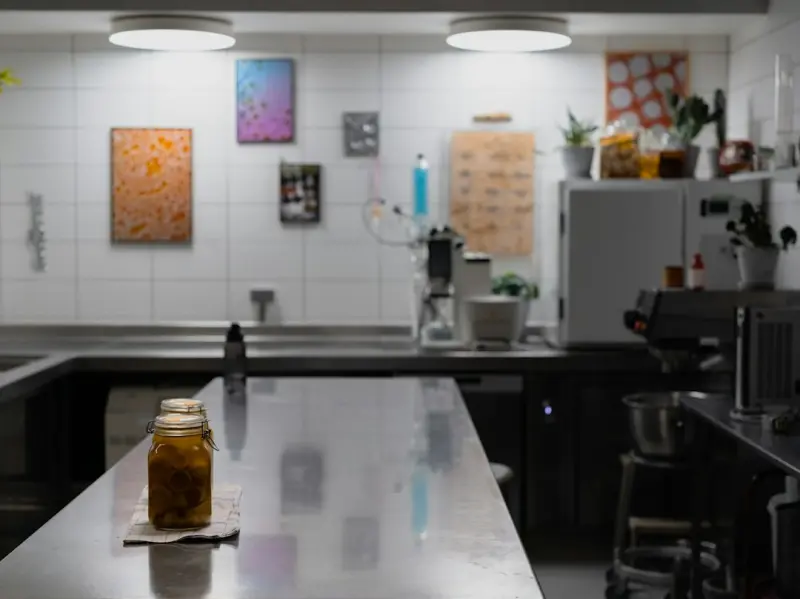
Why Fermentation Is the Quiet Revolution Happening in My Kitchen
There’s a soft, bubbling chorus humming from my pantry these days, and it’s not a dishwasher. It’s the gentle fizz of a kombucha SCOBY, the subtle crackle of kimchi brine, and the faint, earthy sigh of a handful of miso beans fermenting in the back of a glass jar. I’ve been a lifelong foodie, but the past few months have turned my culinary curiosity into a full‑blown experiment in microbiology, patience, and the art of “letting go.” In this post, I’ll walk you through why I’ve fallen head‑over‑heels for fermentation, how to get started without a science degree, and the surprising ways this age‑old technique is reshaping modern food culture.
The Allure of the Unknown (and the Edible)
When I first heard the word “fermentation,” my mind leapt straight to sourdough starters and the occasional “craft beer” buzz. I imagined a dark, dusty lab where scientists in white coats coaxed flavors out of bacteria. The reality is far more inviting: a kitchen counter, a few everyday ingredients, and a willingness to let nature do its thing. The magic lies in the microbes—lactobacillus, yeast, and other friendly bacteria—that transform sugars, starches, and proteins into tangy, complex flavors while extending shelf life.
What draws me in isn’t just the taste. It’s the narrative. Every jar tells a story of time, patience, and the invisible community of microorganisms working together. In an age where instant gratification dominates, fermentation forces us to slow down, observe, and appreciate the subtle changes that happen hour by hour, day by day.
Getting Your Hands (and Jars) Dirty: A Beginner’s Toolkit
- Glass Jars with Wide Mouths: Mason jars or any food‑grade glass container will do. The wider the opening, the easier it is to stir and add ingredients.
- Non‑Metallic Tools: Wooden spoons, silicone spatulas, and plastic lids keep the metal from reacting with acidic brines.
- Salt: Use sea salt or kosher salt without additives. The salt concentration (usually 2–3% of the total weight of the vegetables) creates a safe environment for good bacteria while inhibiting spoilage organisms.
- Fresh Produce: Seasonal vegetables, fruits, or even dairy are the stars. The fresher, the better—the natural sugars and enzymes feed the microbes.
- Patience (and a Clean Space): Fermentation is a low‑maintenance process, but it does demand a clean environment and a willingness to wait.
First Fermentation: The Classic Sauerkraut
If you’re looking for a “starter” project, sauerkraut is the culinary equivalent of a “Hello World” program. Slice a head of cabbage, massage it with a tablespoon of salt per pound until it releases its juices, pack it tightly into a jar, and cover it with its own brine. A simple weight (a clean stone or a fermentation lid) keeps the cabbage submerged. Within three days, you’ll notice a faint sour aroma. By the end of week one, you’ll have a crunchy, tangy side that’s perfect on a sandwich, in a stew, or straight from the jar.
Beyond the Basics: Kombucha, Kimchi, and Miso
Once you’ve mastered the basics, the world of fermentation opens up like a pantry of possibilities:
- Kombucha: Sweet tea infused with a symbiotic culture of bacteria and yeast (SCOBY). Over a week or two, the SCOBY eats the sugar, turning the brew slightly acidic and effervescent. Add ginger, berries, or herbs during the second fermentation for a flavor boost.
- Kimchi: A Korean staple that blends napa cabbage, radishes, garlic, ginger, and gochugaru (Korean chili flakes) in a salty brine. The spice level can be adjusted, but the key is to let the mix ferment at room temperature for 1–3 days before moving it to the fridge.
- Miso: A Japanese paste made from soybeans, rice or barley, and a special mold called koji. Traditional miso ages for months to years, developing deep umami notes that can transform soups, marinades, and dressings.
Fermentation Meets Technology: Data‑Driven Flavor Pairing
While I still enjoy the analog charm of a bubbling jar, I can’t deny that the digital age has seeped into the kitchen. There’s a growing wave of apps and platforms that map flavor compounds, suggest pairings, and even predict fermentation timelines based on ambient temperature and humidity. By logging the start date, temperature, and observed changes, you can create a personal dataset that helps refine future batches.
One of my favorite tools is a simple spreadsheet that tracks the pH levels of each batch (a cheap pH test strip does the trick). Over time, patterns emerge—certain vegetables ferment faster in cooler rooms, while higher salt concentrations slow the process but yield crisper textures.
From the Farm to the Fermenter: Leveraging Local Ingredients
My recent trip to a nearby farmer’s market reminded me that the freshest produce makes the most vibrant ferments. I picked up a handful of heirloom carrots, a bunch of radishes, and some wild garlic. Pairing these with the freshwater flavors of Ontario that I discovered last spring inspired a new “riverbank” kimchi—using cucumber slices and river fish sauce for an unexpected umami twist.
Using locally sourced ingredients not only supports community growers but also introduces unique terroir into your ferments. A carrot from a high‑altitude farm will have a different sugar profile than one from a low‑lying garden, leading to subtle flavor divergences that make each jar one‑of‑a‑kind.
Zero‑Waste Fermentation: Turning Scraps into Gold
One of the most rewarding aspects of fermentation is its ability to rescue food that might otherwise be tossed. Stale bread becomes sourdough starter starter; over‑ripe fruit transforms into tangy vinegar; vegetable peelings can be turned into probiotic‑rich “veggie whey.” By embracing a zero‑waste mindset, you’re not only reducing landfill contributions but also feeding beneficial microbes that keep you healthy.
For example, the urban garden movement has inspired many to grow microgreens on balconies. When the greens finish their quick harvest, the leftover stems and leaves make perfect fodder for a quick lacto‑fermented slurry, which can be used as a tangy salad dressing base.
Fermentation as Community: Pop‑Up Labs and Shared Jars
There’s a burgeoning social scene around fermentation, echoing the rise of pop‑up cultural immersions. In cities across Canada, local chefs host “Ferment Fridays,” where participants bring a vegetable, learn the basics, and leave with a jar to take home. These gatherings foster a sense of camaraderie, as we swap tips, compare pH readings, and trade jars of our favorite creations.
Even online, forums and Discord channels buzz with photos of bubbling jars, troubleshooting threads, and “ferment of the month” challenges. It’s a reminder that food is inherently social, and sharing the process can be just as rewarding as sharing the final dish.
Health Benefits: Probiotics, Digestion, and Beyond
Beyond flavor, fermented foods are powerhouses of probiotics—live microorganisms that can support gut health, boost immunity, and even influence mood through the gut‑brain axis. While scientific research is ongoing, many people report reduced bloating, clearer skin, and a more stable energy level after regularly incorporating fermented foods into their diets.
It’s essential, however, to listen to your body. Start with small servings (a spoonful of kimchi or a sip of kombucha) and gradually increase. Those with compromised immune systems should consult a healthcare professional before diving deep into raw ferments.
Storing and Aging: The Long Game
Fermentation doesn’t stop when you seal the jar. In fact, many ferments improve with age. Sauerkraut can sit for months, developing deeper tang; miso can age for years, gaining richer umami. Store your jars in a cool, dark place (the fridge works well for most), and taste periodically. If a jar ever develops an off‑smell, strange mold (other than the typical harmless kahm yeast), or an unusual texture, it’s safest to discard it.
Closing Thoughts: The Quiet Revolution on My Counter
Fermentation has become my culinary meditation—a way to reconnect with the rhythms of nature while staying anchored in a modern kitchen. It’s a bridge between ancient tradition and contemporary tech, between individual curiosity and community sharing. Whether you’re a seasoned chef or a curious beginner, I encourage you to pick up a jar, add a pinch of salt, and let the microbes do the work. You might just discover a new favorite flavor, a healthier gut, and a deeper appreciation for the invisible life thriving on your countertop.

Related Posts

Fermenting the Future: How Ancient Techniques Revive Modern Menus
Fermentation isn’t just a trend—it’s a powerful tool for flavor, preservation, and wellness. D... Read More
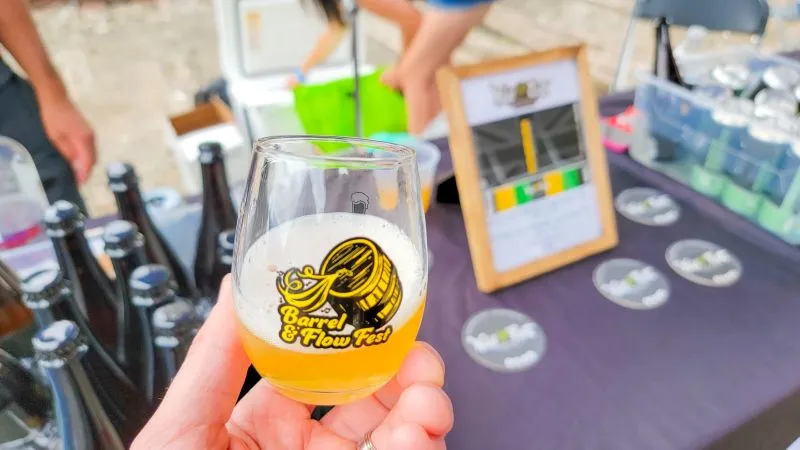
Inaugural Flow Fest Beer Festival Set to Take Place Saturday, July 26
Get ready for a new summer tradition! The Niagara Falls Exchange is proud to present the inaugural F... Read More
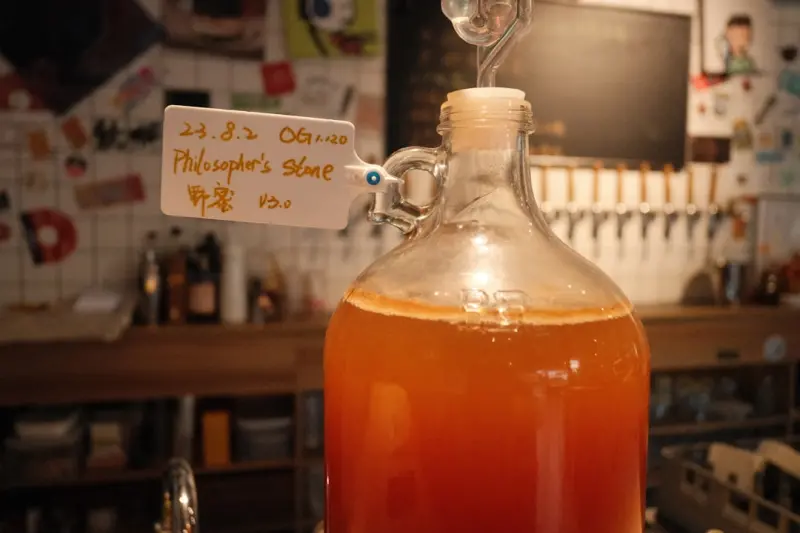
Fermentation Fever: How Homemade Kombucha and Craft Sodas Are Redefining the Drink Shelf
A deep dive into the rising popularity of fermented beverages, highlighting how home‑made kombucha... Read More
Top Posts
The Unseen Struggles of Canadian Farmers: A Call for Support
Canadian farmers face unique challenges that affect their mental health and well-being. Learn how we can support them and promote a culture of mental health awa...Read More

The Tim Hortons Debate: Are They Truly Canadian Anymore?
Tim Hortons. The name conjures images of hockey games, snow-covered landscapes, and that familiar aroma of freshly brewed coffee. For generations, Tim Hortons h...Read More

From Feature Factory to Value Factory: Redesigning SaaS Roadmaps for Real Business Impact
Discover how to transform a feature‑centric product roadmap into a value‑driven engine by aligning outcomes, incentives, contracts, and data, ultimately del...Read More

Turning Hobbies into Income: A Practical Guide to Lowering Your Cost of Living
Learn to monetize your hobbies with simple steps, real examples, and community strategies that help you offset rising expenses and achieve financial resilience....Read More
0 Comments
Post Comment
You will need to Login or Register to comment on this post!