
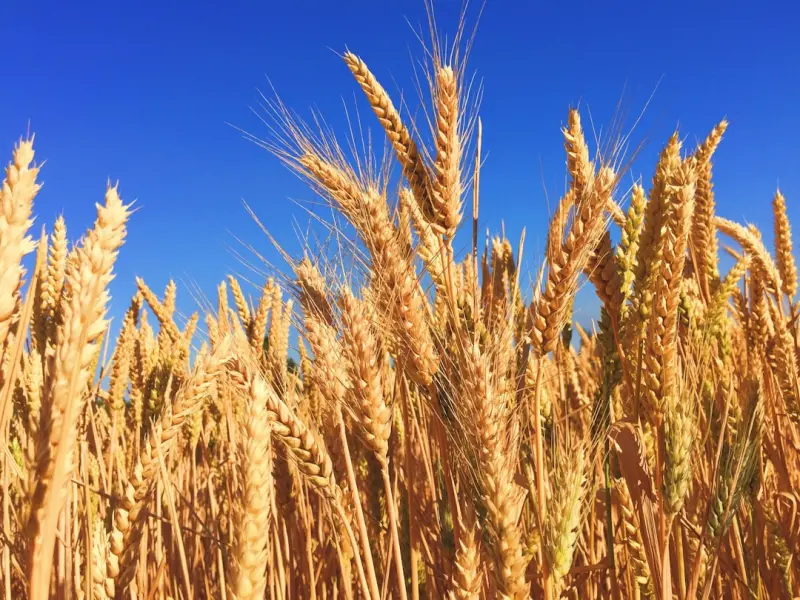
The Quiet Renaissance of Heritage Grains
In kitchens across the country a subtle shift is taking place as bakers, home‑cooks, and even casual snack‑seekers begin to replace the generic white flour and polished rice of their pantry with the earthy, textured bounty of heritage grains. These ancient cereals—from spelt and emmer to teff, millet, and sorghum—carry stories of centuries‑old agriculture, yet they arrive on our shelves with a fresh, modern allure that promises both flavor depth and nutritional resilience. The surge is not a fleeting fad but a response to a growing awareness that the foods we choose shape everything from our gut health to the planet’s climate balance, and the humble grain is proving to be an unexpectedly powerful lever.
From Dawn of Civilization to Dinner Table
When the first farmers tilled the fertile banks of the Nile, the Fertile Crescent, and the Asian highlands they cultivated a mosaic of cereals that fed empires, and each grain bore a name that reflected the land and the people who tended it. Einkorn, the world’s oldest cultivated wheat, once fed the first agrarian societies, while teff, a tiny grass seed native to the Ethiopian plateau, sustained entire cultures with its remarkable protein content. These grains were not merely sustenance; they were cultural symbols, ritual offerings, and trade commodities that traveled along ancient routes, weaving a global tapestry of culinary heritage that today is re‑emerging in artisanal bakeries and home kitchens alike.
Why Nutritionists Are Turning Their Heads to the Past
The nutritional profile of heritage grains often eclipses that of their modern, highly‑refined counterparts, offering higher levels of fiber, antioxidants, and essential minerals such as magnesium, zinc, and iron. For example, spelt contains up to 30 % more protein than conventional wheat, while sorghum delivers a robust array of polyphenols that act as natural anti‑inflammatories. As health‑conscious consumers seek foods that support gut microbiome diversity and stable blood sugar, these ancient grains provide a naturally nutrient‑dense alternative without the need for artificial fortification, making them a compelling choice for anyone looking to elevate their everyday meals.
Environmental Upside: A Grain That Gives Back
Beyond personal health, heritage grains play a pivotal role in regenerative agriculture, a practice that restores soil carbon, promotes biodiversity, and reduces reliance on synthetic inputs. Farmers who re‑introduce these low‑input cereals often report improved soil structure and resilience to climate extremes, a benefit highlighted in a recent exploration of regenerative farming practices that are reshaping Canadian fields. By selecting varieties adapted to marginal soils and requiring fewer irrigation cycles, growers can lower their water footprint while simultaneously sequestering carbon, turning each grain harvest into a small but meaningful act of environmental stewardship.
Finding Heritage Grains in Your Neighborhood
Locating these ancient staples used to require a pilgrimage to specialty import stores, but today a growing network of farmer’s markets, community‑supported agriculture (CSA) programs, and online grain co‑ops makes them readily accessible. Many small‑scale producers label their offerings with the grain’s lineage—“heritage emmer,” “organic teff,” or “ancient sorghum”—allowing consumers to make informed choices that support local economies. In addition, subscription boxes curated by passionate grain advocates often include recipe cards and cooking tips, bridging the gap between curiosity and confidence in the kitchen.
Transforming Everyday Meals with Minimal Effort
Incorporating heritage grains need not be intimidating; they can seamlessly replace familiar staples in a variety of dishes. Cooked millet makes a fluffy, protein‑rich base for salads, while toasted teff flour adds a nutty crunch to pancake batter without altering texture. Whole‑grain spelt can be milled into a versatile flour for breads, cookies, and even pasta, delivering a slightly sweet, buttery flavor that elevates even the simplest of recipes. By experimenting with grain‑to‑water ratios—typically a 1:2.5 proportion for most whole grains—and allowing a brief soak period, home cooks can achieve tender, digestible results with minimal extra time.
Recipe Spotlight: Rustic Heritage Grain Flatbread
One of the most rewarding ways to showcase the character of ancient cereals is through a simple flatbread that can be topped with anything from fresh avocado to caramelized onions. Begin with 1 cup of blended spelt and einkorn flour, ½ cup warm water, a pinch of sea salt, and a teaspoon of olive oil; knead until smooth, let rest for 20 minutes, then roll thin on a parchment sheet. Cook on a hot cast‑iron skillet for 2‑3 minutes per side until golden brown, and finish with a drizzle of herb‑infused oil. This versatile canvas invites endless creativity while delivering a chewy, nutty bite that modern wheat breads simply cannot match.
Pairing Heritage Grains with Modern Flavors
The beauty of these grains lies in their ability to harmonize with contemporary culinary trends, such as bold spice blends, fermented condiments, and plant‑based proteins. Imagine a quinoa‑free grain bowl featuring toasted sorghum, roasted cauliflower, and a miso‑ginger dressing, or a teff‑based breakfast porridge swirled with almond butter, fresh berries, and a sprinkle of matcha powder. By pairing the earthy undertones of heritage grains with bright, acidic, or umami elements, cooks can craft dishes that feel both rooted in tradition and excitingly novel, encouraging diners to explore textures and flavors they may have never considered before.
Join the Community of Grain‑Curious Foodies
As the conversation around sustainable eating evolves, many restaurants are inviting patrons to become co‑creators of menu items, a movement explored in the piece on community‑driven dining experiences. By bringing that same collaborative spirit into the home, you can share discoveries with friends, host grain‑tasting parties, or even contribute recipes to online forums where enthusiasts swap tips and source recommendations. Embracing heritage grains is not merely a culinary experiment; it is a participatory act that connects us to centuries of agricultural wisdom while nurturing a more resilient food system for future generations.

Related Posts

Edible Packaging: The Quiet Revolution Changing What We Eat and Drink
A deep dive into the rise of edible packaging reveals how innovative materials, AI-driven personaliz... Read More

Fermentation at Home: Turning Kitchen Time Into a Flavor Revolution
Megan Morris shares her personal journey into home fermentation, exploring its health benefits, cost... Read More

The Buzz About Energy Drinks: Understanding the Risks for Teens
In recent years, the energy drink market has experienced a phenomenal surge, fueled by clever market... Read More
Top Posts

Rooftop Gardens: Bringing Green to the Skyline
Explore the rise of rooftop gardens across Canadian cities, offering fresh food, neighborly bonds, and eco‑friendly benefits despite harsh winters and urban c...Read More
Indigenous‑Led Health Initiatives: Reclaiming Wellness Across Canada
Discover the rise of Indigenous‑led health centres, their holistic blend of tradition and technology, and how they’re redefining Canada’s healthcare lands...Read More

Deal Stacking Secrets: How B2B Teams Can Multiply Savings on SaaS Purchases
A step‑by‑step playbook shows how to stack volume, referral, bundling and hidden‑cost levers, turning ordinary SaaS purchases into strategic savings that ...Read More

Cabin Revival: Blending Heritage Craft with Modern Comfort in Canada
Explore the rise of modern cabin living in Canada, where reclaimed timber, discreet smart solutions, and community DIY workshops create a sustainable, cozy retr...Read More
0 Comments
Post Comment
You will need to Login or Register to comment on this post!