
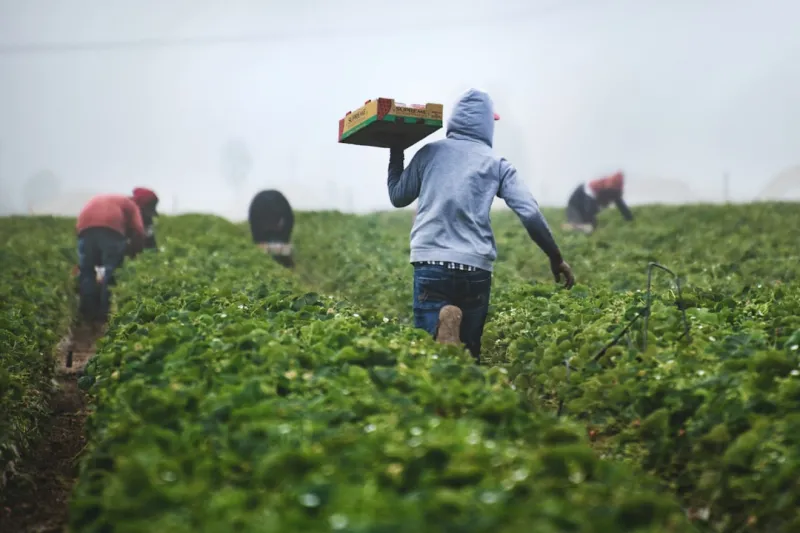
The Unsung Heroes of Canadian Agriculture
Canadian farmers are the backbone of the country's economy, working tirelessly to produce the food and products that Canadians rely on every day. Despite their importance, many people are unaware of the challenges and struggles that Canadian farmers face. From unpredictable weather conditions to fluctuating market prices, farmers must navigate a complex web of factors to ensure a successful harvest. In this article, we will explore the unseen struggles of Canadian farmers and the impact they have on the country's economy and food supply.
The Unseen Struggles of Canadian Farmers
Canadian farmers face a multitude of challenges, from climate change to economic uncertainty. The struggles of Canadian farmers are often overlooked, but they play a critical role in the country's food supply. Farmers must contend with unpredictable weather patterns, pests, and diseases that can decimate crops and livestock. Additionally, they must navigate complex regulations and market fluctuations to ensure a profitable harvest. Despite these challenges, Canadian farmers remain committed to producing high-quality food and products for Canadians.
The Economic Impact of Canadian Farmers
The economic impact of Canadian farmers cannot be overstated. Agriculture is a significant contributor to Canada's GDP, and farmers play a critical role in the country's food supply. In fact, according to Statistics Canada, the agricultural sector accounts for approximately 4% of the country's GDP. However, the economic benefits of Canadian farmers extend far beyond the agricultural sector. Farmers also contribute to the economy through their purchases of inputs, such as seeds, fertilizers, and equipment. Furthermore, farmers also play a critical role in maintaining rural communities, which are essential to Canada's economic and social fabric.
The Impact of Tariffs on Canadian Farmers
The impact of tariffs on Canadian farmers is a significant concern. Tariffs can disrupt market access and lead to economic uncertainty, making it difficult for farmers to plan and invest in their operations. The tariff tango is a delicate dance of economic uncertainty, and Canadian farmers are caught in the middle. The imposition of tariffs on Canadian agricultural products can lead to reduced exports and lower prices, making it difficult for farmers to compete in the global market. This can have a ripple effect throughout the economy, impacting not only farmers but also rural communities and the broader Canadian economy.
The Importance of Supporting Canadian Farmers
It is essential to support Canadian farmers and the agricultural sector. This can be done through policies that promote fair trade and market access, as well as initiatives that support rural development and sustainability. Additionally, Canadians can support farmers by purchasing Canadian products and promoting Canadian agriculture. By supporting Canadian farmers, Canadians can help ensure a safe and sustainable food supply, as well as contribute to the country's economic growth and development.
The Role of Canadian Farmers in Sustainability
Canadian farmers play a critical role in sustainability. Farmers are on the front lines of climate change, and their practices can have a significant impact on the environment. Sustainable agriculture practices, such as crop rotation and organic farming, can help reduce greenhouse gas emissions and promote biodiversity. Additionally, farmers can play a critical role in promoting rural development and sustainability, through initiatives such as renewable energy and conservation. By supporting sustainable agriculture practices, Canadians can help ensure a healthy and sustainable food supply, as well as contribute to the country's environmental goals.
Challenges and Opportunities for Canadian Farmers
Despite the challenges they face, Canadian farmers are well-positioned to take advantage of opportunities in the global market. The growing demand for sustainable and locally produced food products presents a significant opportunity for Canadian farmers. Additionally, the Canadian government's initiatives to support agriculture and rural development, such as the Agricultural and Agri-Food System, can help support farmers and promote rural growth. However, Canadian farmers must also navigate the challenges of climate change, economic uncertainty, and market fluctuations to remain competitive.
Conclusion
In conclusion, Canadian farmers are the unsung heroes of Canadian agriculture. They work tirelessly to produce the food and products that Canadians rely on every day, despite facing numerous challenges and struggles. By supporting Canadian farmers and the agricultural sector, Canadians can help ensure a safe and sustainable food supply, as well as contribute to the country's economic growth and development. As we look to the future, it is essential to recognize the critical role that Canadian farmers play in the country's economy and food supply, and to provide them with the support and resources they need to succeed.
Some key takeaways from this article include:
- Canadian farmers face a multitude of challenges, from climate change to economic uncertainty.
- The economic impact of Canadian farmers cannot be overstated, with agriculture accounting for approximately 4% of the country's GDP.
- Tariffs can disrupt market access and lead to economic uncertainty, making it difficult for farmers to plan and invest in their operations.
- Sustainable agriculture practices can help reduce greenhouse gas emissions and promote biodiversity.
- Canadian farmers are well-positioned to take advantage of opportunities in the global market, particularly in the growing demand for sustainable and locally produced food products.
By understanding the challenges and opportunities faced by Canadian farmers, we can work together to support them and promote a sustainable and healthy food supply.

Related Posts

Family Farms Fuel Canada’s New Resilience Wave
Canada’s family farms are redefining resilience through regenerative practices, cooperative busine... Read More
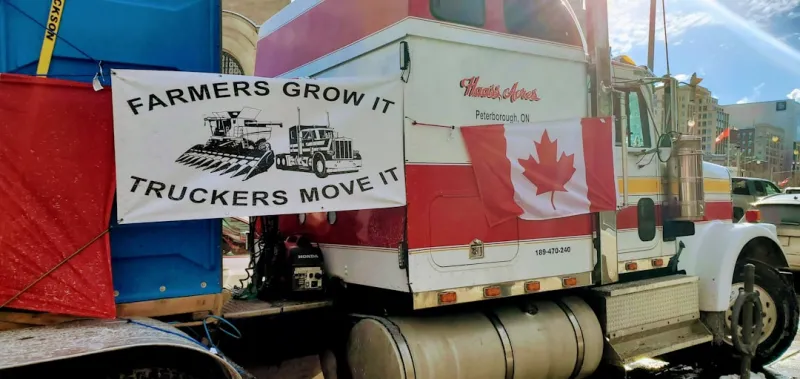
The Unseen Struggles of Canadian Farmers: A Call for Support
Canadian farmers face unique challenges that can take a toll on their mental health. Learn more abou... Read More

Fields of Light: How Canadian Farmers Are Powering Their Own Energy Future
Canadian farmers are adding wind turbines, solar panels, and biogas units to their lands, creating n... Read More
Top Posts

The Flavors of Rural America: A Culinary Journey Through the Heartland
Join me on a culinary journey through the heartland of rural America, where traditional farm-to-table meals, community-driven food initiatives, and locally sour...Read More

The Subscription Overload: Taming Your Monthly Bills
Discover a step‑by‑step guide to identify hidden subscription costs, negotiate better rates, and adopt smarter spending habits that can save you hundreds ea...Read More

Exploring Canada's Uncharted Horizons: A Journey Through Unspoiled Landscapes
Canada offers a wealth of experiences for travelers, from stunning natural beauty to rich cultural heritage. Explore uncharted territories, discover hidden gems...Read More
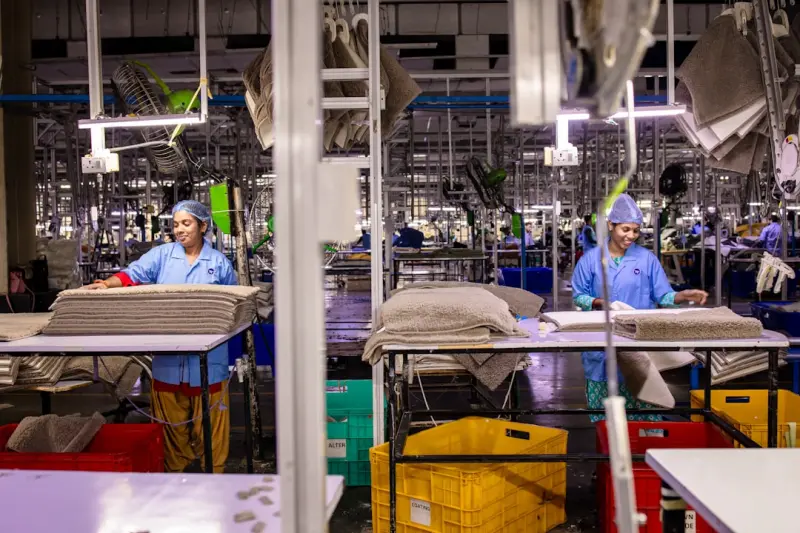
Beyond the Duty: How Tariffs Spark Sustainable Innovation
Tariffs are no longer just cost hurdles—they’re catalysts for sustainable supply chain redesign, local partnerships, and tech‑driven innovation, reshaping...Read More
0 Comments
Post Comment
You will need to Login or Register to comment on this post!