
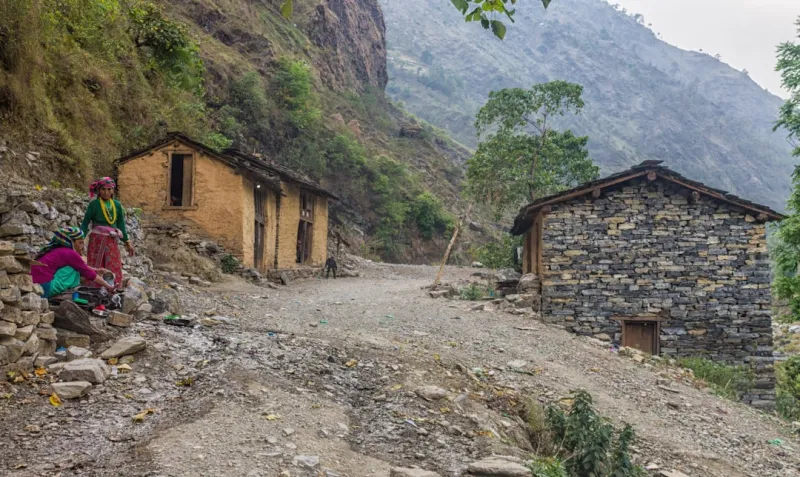
The Unseen Struggles of Rural Communities: A Call for Support and Understanding
Rural communities are the backbone of Canada, providing a significant portion of the country's food, natural resources, and cultural heritage. However, these communities face unique challenges that often go unnoticed by the general public. From struggling businesses to mental health concerns, rural communities need support and understanding to thrive. In this article, we will explore the unseen struggles of rural communities and discuss ways to address these challenges.
The Struggle is Real: Rural Businesses Face Unique Challenges
Rural businesses face a distinct set of challenges that can make it difficult for them to stay afloat. Limited access to funding, a shortage of skilled workers, and a lack of infrastructure can all contribute to the struggles of rural businesses. According to a recent study, rural businesses are more likely to close due to financial difficulties than their urban counterparts. This can have a ripple effect on the entire community, leading to job losses and a decline in local economic activity. For instance, rural businesses often struggle to access the resources they need to succeed, making it essential for governments and organizations to provide targeted support.
The Importance of Community-Driven Marketing
One way to support rural businesses is through community-driven marketing. This approach focuses on promoting local products and services, rather than relying on external marketing efforts. By supporting local businesses, residents can help create a thriving local economy. Community-driven marketing is a powerful tool for rural communities, allowing them to showcase their unique character and attract visitors. For example, a local food festival can bring people together and promote the community's culinary delights.
Mental Health in Rural Communities: A Growing Concern
Mental health is a growing concern in rural communities, where residents often face unique challenges such as isolation, limited access to healthcare, and a lack of social support. According to a recent report, rural residents are more likely to experience mental health issues than their urban counterparts. This can have serious consequences, including increased rates of substance abuse and suicide. It is essential that rural communities have access to mental health resources and support services. The struggles of rural mental health are a pressing concern that requires immediate attention.
The Intersection of Law and Rural Development
The law plays a critical role in rural development, from regulating business operations to providing support for rural residents. However, rural communities often face challenges in accessing legal services, due to a shortage of lawyers and limited access to justice. Rural residents may have to travel long distances to access legal services, which can be a significant barrier to seeking help. This highlights the need for innovative solutions, such as online legal services and community-based justice initiatives.
The Power of Local Food: Bringing People Together
Local food is a powerful tool for building community and promoting rural development. By supporting local farmers and food producers, residents can help create a thriving local food system. This can have numerous benefits, including increased access to fresh, healthy food, and the promotion of local economic activity. Local food can also bring people together, fostering a sense of community and social connection. For example, a community-supported agriculture (CSA) program can provide residents with fresh produce while promoting local agriculture.
Supporting Rural Communities: A Call to Action
So what can be done to support rural communities? First and foremost, it is essential that governments and organizations provide targeted support for rural businesses, including access to funding and resources. Additionally, community-driven marketing initiatives can help promote local products and services. Mental health resources and support services are also essential, as rural residents face unique challenges in this area. Some potential solutions include:
- Providing access to funding and resources for rural businesses
- Promoting community-driven marketing initiatives
- Increasing access to mental health resources and support services
- Supporting local food systems and promoting rural tourism
Conclusion
Rural communities are the backbone of Canada, but they face unique challenges that often go unnoticed. By providing targeted support for rural businesses, promoting community-driven marketing initiatives, and increasing access to mental health resources and support services, we can help these communities thrive. It is essential that we take action to support rural communities, recognizing the critical role they play in Canada's social, economic, and cultural fabric.
The Future of Rural Communities: A Vision for Success
The future of rural communities is bright, but it requires a concerted effort from governments, organizations, and residents. By working together, we can create thriving rural communities that are resilient, sustainable, and vibrant. This vision for success includes:
- Thriving rural businesses that create jobs and stimulate local economic activity
- Vibrant local food systems that promote fresh, healthy food and support local farmers
- Strong, supportive communities that prioritize mental health and well-being
- Access to essential services, including healthcare, education, and justice

Related Posts

Reimagining Canada: How Grassroots Innovation is Redefining Our National Identity
Discover how grassroots initiatives, from citizen‑science projects to pop‑up community hubs, are... Read More

Reimagining National Identity Through Community‑Led Service Projects
Megan Morris examines the rise of community‑led service projects across Canada, showing how techno... Read More

Canada’s National Broadband Revolution: The Quiet Engine Powering Tomorrow’s Innovation
A deep dive into Canada’s national broadband initiative reveals its transformative impact on busin... Read More
Top Posts

Why Canada’s Cabins Are the New Base for Remote Professionals
A deep dive into the growing trend of Canadians swapping city offices for cabin homes, highlighting tech‑enabled agriculture, remote health hubs, sustainable ...Read More

Seaweed Superpowers: Sustainable Nutrition from the Ocean’s Edge
Explore the health benefits, sustainability advantages, and practical ways to incorporate seaweed into daily meals, from snacks to full‑course dishes....Read More
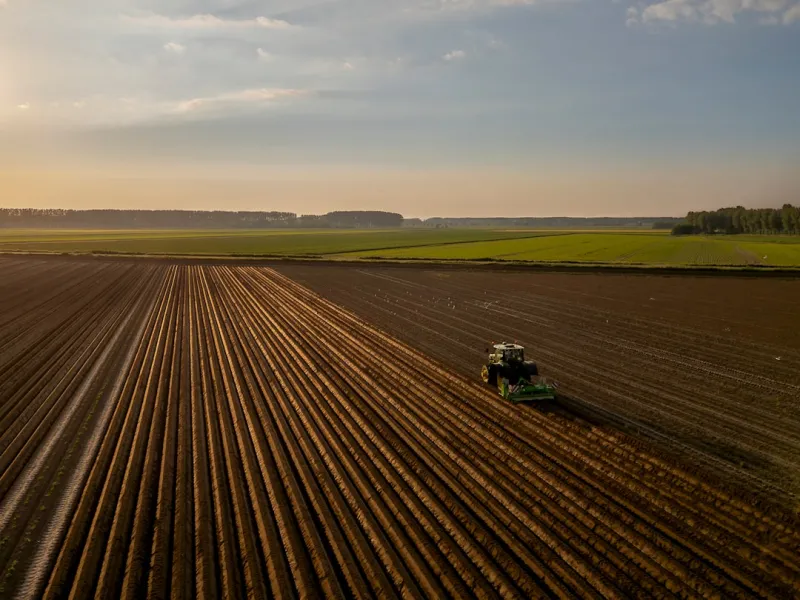
The Unseen Struggles of Canadian Farmers: A Call for Support
Canadian farmers face unique challenges that affect their mental health and well-being. Learn how we can support them and promote a culture of mental health awa...Read More

Navigating the New Cost‑of‑Living Landscape for Remote Professionals
A deep dive into the hidden expenses of remote work—housing, internet, subscriptions, health, and more—paired with actionable steps to keep your cost of liv...Read More
0 Comments
Post Comment
You will need to Login or Register to comment on this post!