
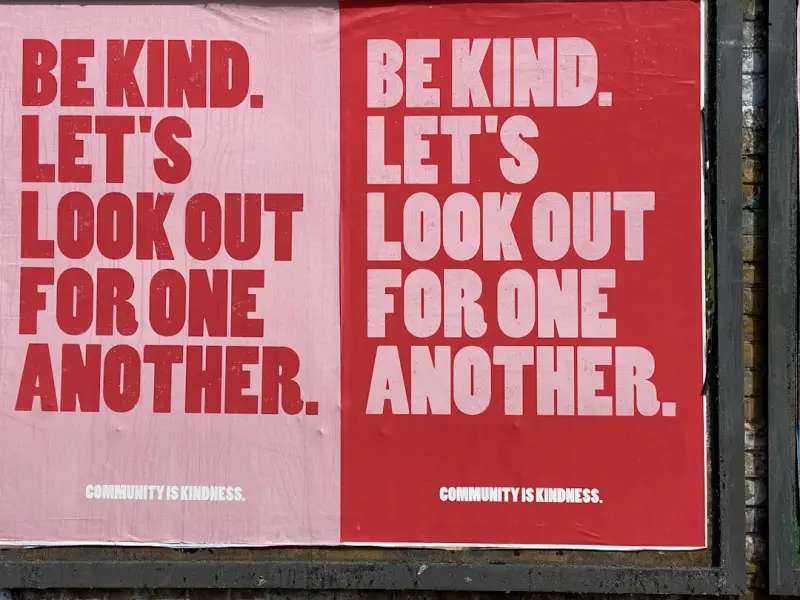
When I first grew up watching the maple leaf flutter over the skyline of Ottawa, I thought “national” meant something static—a flag, a anthem, a set of symbols etched into schoolbooks. Decades later, as a product strategist and lifelong citizen‑advocate, I see the term morphing into something far more dynamic: a living network of people, places, and purpose that we co‑create every day. In this post I’ll explore how a fresh wave of community‑led service projects is reshaping our national identity, why this matters for businesses, and how technology can amplify—without hijacking—the authentic spirit of civic engagement.
Why Community‑Led Service Is the New National Narrative
For generations, national projects were top‑down: highways built by ministries, museums funded by federal grants, and large‑scale environmental initiatives driven by policy. While those efforts are still vital, a quieter revolution is underway. Across Canada, local groups are stepping up to fill gaps, from restoring urban wetlands to teaching digital literacy in remote First Nations communities. These grassroots endeavors are stitching together a patchwork of stories that collectively define what it means to be Canadian today.
Three core forces are fueling this shift:
- Social capital resurgence – As remote work blurs the lines between home and office, people are craving tangible connections. Volunteering offers a concrete way to rebuild that sense of belonging.
- Tech‑enabled coordination – Platforms that match volunteers with causes in real time make participation as simple as a few clicks, democratizing access to national projects.
- Corporate citizenship evolution – Companies now recognize that authentic community investment can be a differentiator, not just a PR stunt.
From “Do‑It‑Yourself” to “Do‑It‑Together”: The Power of Collective Action
Take the story of the Smart Insulation & Community Hubs initiative that began in a small town in Northern Ontario. Residents, frustrated by sky‑high heating bills, teamed up with engineers from a local university to retrofit their community centre with cutting‑edge insulation. The project not only slashed energy costs but also turned the centre into a hub for winter workshops, language classes, and after‑school programs. What started as a practical solution blossomed into a cultural touchstone—an emblem of what a community can achieve when it aligns purpose with ingenuity.
This model is replicable. When citizens unite around a shared challenge, they generate a ripple effect that transcends the immediate outcome. The ripple becomes a story that travels, inspiring other towns, provinces, and eventually the nation at large. In this way, community‑led service is not just a series of isolated projects; it is the narrative scaffolding of our modern national identity.
How Businesses Can Join the Movement Without Diluting the Message
It’s tempting for brands to jump on the bandwagon and proclaim themselves “national champions.” However, authenticity matters more than volume. Companies that succeed in this arena do three things:
- Listen before they act. Conduct deep listening sessions with local leaders to understand genuine needs—not just what aligns with a marketing calendar.
- Provide resources, not directives. Offer tools, expertise, or funding while letting the community steer the project’s direction.
- Celebrate the story, not the sponsor. Amplify the volunteers’ achievements, giving the brand a modest supporting role.
One example that resonates is the Turning Data into Dialogue framework. By treating community feedback as a two‑way conversation rather than a data dump, brands can refine their contributions in real time, ensuring alignment with evolving local priorities.
Case Study: The National River Clean‑Up Marathon
Earlier this spring, a coalition of Indigenous youth groups, environmental NGOs, and a handful of tech startups launched the “River Clean‑Up Marathon.” Over ten days, volunteers mapped litter hotspots using a crowdsourced mobile app, deployed autonomous drones to identify hard‑to‑reach debris, and organized weekend clean‑ups on the banks of the St. Lawrence and Fraser rivers.
Key outcomes:
- Environmental impact: Over 1,200 tonnes of waste removed, improving water quality metrics by 15% in targeted zones.
- Community engagement: More than 5,000 participants across ten provinces, many of whom reported increased civic pride.
- Data legacy: The clean‑up data was made open‑source, enabling researchers to track long‑term ecological trends.
What makes this initiative national isn’t the scale of the river itself, but the shared sense of stewardship it cultivated. The marathon turned a fragmented set of local actions into a cohesive narrative that now features in school curricula and corporate sustainability reports alike.
Digital Tools That Empower, Not Replace, Human Connection
Technology is a double‑edged sword. While it can streamline coordination, it also risks depersonalizing the experience. The sweet spot lies in tools that act as enablers:
- Volunteer matching platforms that use AI to suggest projects based on skill sets, location, and personal values, ensuring a better fit.
- Real‑time impact dashboards that visualize contributions, fostering transparency and pride.
- Storytelling hubs where participants can upload photos, videos, and anecdotes, turning data into a living archive of national memory.
When these tools are designed with empathy, they become extensions of the community’s voice rather than replacements for it.
The Role of Policy: From Funding to Frameworks
Government can amplify the momentum by shifting from grant‑centric models to partnership frameworks. Policies that incentivize cross‑sector collaboration—such as tax credits for companies that provide in‑kind support to community projects—can unlock new resources while maintaining the grassroots character of the initiatives.
Moreover, a national registry of community‑led projects could serve multiple purposes:
- Visibility: Citizens can discover nearby opportunities.
- Accountability: Public funds and private contributions are tracked transparently.
- Learning: Successful models can be replicated elsewhere.
Measuring Success Beyond Numbers
Traditional metrics—like the number of volunteers or dollars raised—capture only part of the picture. To truly gauge the national impact, we need to look at softer indicators:
- Social cohesion scores derived from surveys that assess residents’ sense of belonging.
- Civic confidence indices that track how likely people are to engage in future community work.
- Story propagation measured by the reach and resonance of shared narratives on social platforms.
When these metrics show upward trends, it signals that we’re not just ticking boxes; we’re weaving a stronger, more inclusive national fabric.
Future Outlook: A Nation Built on Shared Purpose
Imagine a Canada where every town has a “purpose hub”—a space where citizens, businesses, and government converge to co‑design solutions to local challenges. These hubs would be linked via a digital backbone, allowing ideas to flow across provinces, sparking collaborations that echo from the Atlantic to the Pacific.
In such a scenario, the national story isn’t dictated by a singular voice but emerges organically from thousands of micro‑stories. Each project, each volunteer hour, each shared photo adds a stitch to the larger tapestry. As we collectively narrate this evolving identity, we reinforce the idea that being Canadian isn’t just about geography; it’s about the shared commitment to lift each other up.
So the next time you see a flyer for a local clean‑up, a tech meetup focused on civic apps, or a corporate team volunteering at a community garden, remember: you’re not just participating in a one‑off event. You’re contributing to a national movement that redefines what it means to belong, to serve, and to shape the future together.

Related Posts

School Bus Driver Removed After Wearing Schoolgirl Uniform and Displaying "Lolita's Line" Sign
A school bus driver in Vaughan, Ontario, will no longer be employed by the York Catholic District Sc... Read More

National Civic Tech: Open‑Source Tools Reviving Our Democracy
Civic tech is moving beyond hackathons to become a national digital commons, empowering citizens wit... Read More

National Data Commons: A Blueprint for Shared Public Datasets in Canada
A national data commons could democratize access to high‑value datasets, supporting SMEs, remote c... Read More
Top Posts

Micro‑Movements: The Tiny Exercise Revolution Boosting Workplace Health and Performance
A practical guide to incorporating five‑second micro‑movements into your daily workflow, showing how these tiny actions enhance circulation, reduce stress, ...Read More

The Unseen Battle: Climate Justice Meets Digital Democracy in Canada’s Political Future
A deep dive into the intertwining forces of climate justice and digital democracy, highlighting grassroots activism, cyber‑security, and the policy crossroads...Read More

Charting Personalized Horizons: How Data Is Redefining Cruises and Bus Tours
Explore the rise of hyper‑personalized travel, where data and AI craft bespoke cruise and bus tour itineraries, delivering unique, sustainable, and immersive ...Read More

When Trade Barriers Spark Innovation: Turning Tariffs into Growth Engines
Explore a fresh perspective on tariffs, showing how tech companies can turn trade duties into catalysts for product differentiation, pricing innovation, and rev...Read More
0 Comments
Post Comment
You will need to Login or Register to comment on this post!