

Why the Real Cost of Living Isn’t What You See on Your Paycheck
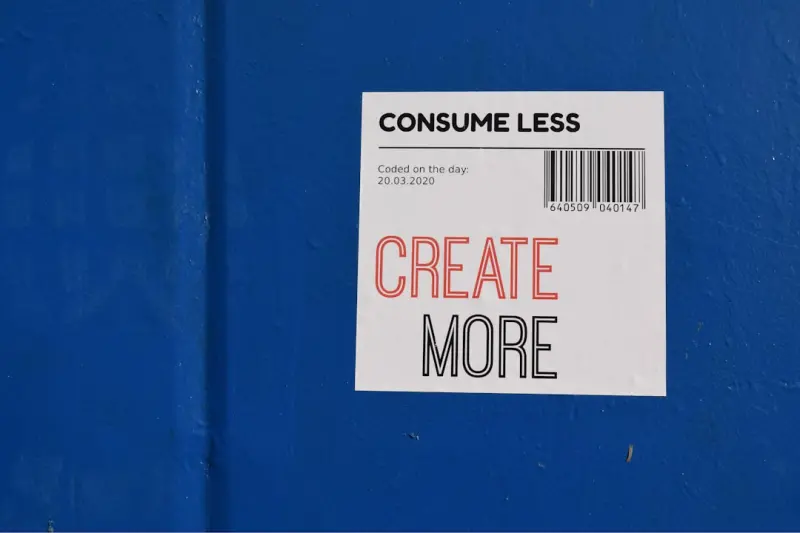
When I first started budgeting, the numbers on my spreadsheet looked clean—salary, rent, utilities, groceries—but the quiet bleed of everyday choices was invisible. Every subscription, impulse coffee, and on‑demand streaming plan adds up like a slow‑dripping faucet, turning a modest income into a perpetual squeeze. The truth is, modern cost of living is less about big bills and more about the cumulative weight of micro‑expenses that we rarely track.
The Subscription Avalanche: How “Free” Services Drain Your Wallet
From music platforms to niche meal kits, the subscription economy promises convenience while quietly siphoning cash each month. I found myself paying for three streaming services, two fitness apps, and a monthly box of artisanal snacks—all justified by “I’ll use it occasionally.” The reality? Those occasional uses add up, often eclipsing the cost of a single utility bill, and the churn of unused memberships becomes a hidden budget monster.
Food Inflation Meets Home Cooking: Turning the Kitchen into a Financial Ally
Grocery prices have surged, but the real solution lies in rethinking how we cook, not just where we shop. I began batch‑cooking staples on Sundays, freezing portions, and repurposing leftovers into entirely new meals, which cut my weekly spend by nearly a third. Pairing this habit with strategic pantry staples—rice, beans, seasonal produce—creates a buffer against price spikes while keeping meals exciting.
Transportation Tweaks That Save More Than Gas Money
Beyond the obvious fuel cost, transportation expenses hide in parking fees, ride‑share surcharges, and the wear and tear on a vehicle. I swapped my daily commute for a hybrid of biking and public transit, which not only slashed my monthly outlay but also boosted my health. Adding a car‑sharing service for occasional trips replaces the need for a second vehicle, turning a costly necessity into a flexible, on‑demand option.
Housing Hacks: Making Space Work for You, Not Against You
Rent is often the biggest line item, yet clever spatial strategies can stretch every dollar. By converting an unused attic into a home office, I eliminated the need for a separate co‑working space, saving hundreds each month. Subletting a spare bedroom during peak tourist seasons added a steady side‑income stream, turning excess space into a financial advantage rather than a dormant expense.
Utility Savings Through Smart Tech and Simple Behaviors
Smart thermostats and LED lighting are the low‑effort heroes of utility reduction, but even simple habits—like air‑drying dishes or using cold water cycles—make a noticeable impact. I installed a programmable timer on my water heater and set my fridge to an optimal temperature, trimming my electricity bill by 15 %. Small tweaks compound, turning an otherwise static cost into a dynamic savings opportunity.
Remote Work Realities: Leveraging Legal Knowledge for Budget Gains
With more Canadians working from home, understanding remote work regulations can unlock tax deductions and employer reimbursements that many overlook. Claiming home‑office expenses, internet subsidies, and ergonomic equipment allowances transforms a workplace perk into a tangible financial benefit, effectively lowering the net cost of living for remote professionals.
Urban Gardening: Growing Food and Savings in Small Spaces
Even city dwellers can harvest fresh produce on balconies or window sills, turning a hobby into a cost‑cutting venture. By adopting urban gardening hacks such as vertical planters and companion planting, I reduced my weekly vegetable bill by 20 % while adding flavor and nutrition to meals. The initial seed cost pays for itself quickly, especially when you factor in the health benefits of pesticide‑free produce.
Mindful Money Practices: Turning Awareness Into Action
The most powerful tool against hidden costs is conscious spending—regularly reviewing statements, setting spending alerts, and questioning every purchase. I schedule a monthly “financial audit” where I trace every line item, challenge its necessity, and reallocate funds toward savings or experiences that truly matter. This disciplined mindset transforms the nebulous concept of cost of living into a controllable, proactive practice, ensuring that every dollar works harder for you.

Related Posts

Subscription Stacking: A Tactical Guide to Shrinking Your Monthly Expenses
A step‑by‑step guide shows how to audit, consolidate, and negotiate subscription services, helpi... Read More
Redefining the Real Cost of Living When You Work Remotely
A deep dive into the true cost of remote work life: housing, utilities, taxes, food and hidden expen... Read More

Rethinking the Cost of Living in a Remote‑First World
Remote work reshapes traditional cost‑of‑living calculations. This guide uncovers hidden expense... Read More
Top Posts

Reimagining Home: Indigenous Design Principles for Modern Canadian Living
Discover how to incorporate Indigenous design principles into contemporary Canadian homes, blending natural materials, storytelling, and community-focused layou...Read More

Micro‑Cabins: A Fresh Take on Canadian Living
Discover the rise of micro‑cabins in Canada—affordable, eco‑friendly homes that blend minimalist design with vibrant community living....Read More

Eating to Your Body Clock: The Chrononutrition Guide
Learn how to eat in harmony with your body’s internal clock to improve metabolism, energy, and overall health with actionable chrononutrition strategies....Read More

The Quiet Revolution of Micro‑Escapes: Redefining Travel One Weekend at a Time
Micro‑escapes—brief, purposeful trips—are changing travel by blending sustainability, community impact, and personal well‑being, proving that a weekend ...Read More
0 Comments
Post Comment
You will need to Login or Register to comment on this post!