

Why Your Kitchen Should Feel Like a Pharmacy
When I first started swapping processed snacks for whole, unrefined ingredients, I realized that the pantry could double as a medicine cabinet. The shift wasn’t just about cutting sugar; it was about curating a spectrum of phytonutrients that work together like a well‑orchestrated symphony, each note amplifying the others to create lasting vitality.
The Power of Food Synergy
Scientists now recognize that the health impact of a single nutrient is often modest compared to the combined effect of complementary compounds found in whole foods. For instance, the vitamin C in bell peppers dramatically enhances iron absorption from spinach, turning a simple salad into a potent iron‑boosting powerhouse that supports energy production and cognitive clarity.
Seasonal Foraging: Eating What Grows Around You
One of the most rewarding ways to tap into nature’s pharmacy is to follow the calendar of local flora, harvesting wild herbs, berries, and greens at their peak. Spring nettles, rich in calcium and vitamins A and K, can be blanched and tossed into a summer pesto, while autumn chestnuts deliver a steady release of complex carbs that keep blood sugar stable during colder months.
Fermentation: Turning Tradition into Gut‑Friendly Fuel
Fermented foods have surged in popularity, yet many still overlook the depth of benefit they provide beyond probiotics. A modest serving of homemade sauerkraut delivers not only live cultures but also glucosinolates that support detoxification pathways, while kombucha’s organic acids help balance pH and improve nutrient bioavailability throughout the digestive tract.
Reviving Ancient Grains for Modern Energy
Quinoa, amaranth, and farro have been cultivated for millennia, each offering a unique profile of fiber, protein, and micronutrients that modern refined grains simply can’t match. Incorporating these ancient staples into daily meals stabilizes glucose spikes, fuels sustained workouts, and even promotes satiety, reducing the temptation to reach for empty‑calorie snacks later in the day.
Adaptogenic Herbs: The Stress‑Busting Allies
Adaptogens like ashwagandha, rhodiola, and holy basil act as biological buffers, helping the endocrine system adapt to physical and mental stress without the crash of caffeine or sugar. A daily ritual of brewing a tea with a pinch of ashwagandha powder can lower cortisol levels, enhance focus, and improve sleep quality, creating a subtle but measurable uplift in overall well‑being.
Mindful Meal Prep: The Art of Intentional Cooking
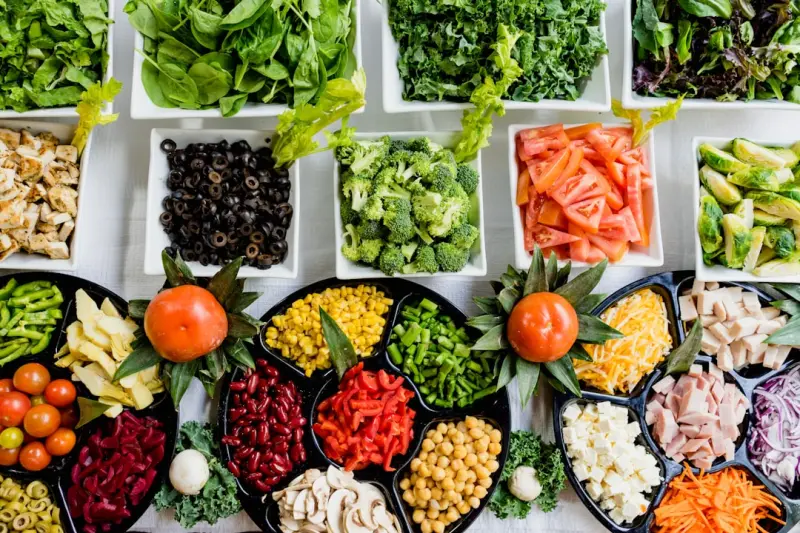
Preparing meals with intention transforms cooking from a chore into a restorative practice, allowing you to infuse each dish with gratitude and awareness. By selecting colorful vegetables, lean proteins, and healthy fats, you create a visual reminder of nutritional balance, while the act of chopping and stirring becomes a meditative flow that reduces stress hormones.
Budget‑Friendly Nutrition Hacks
Healthy eating often carries the stigma of being expensive, but strategic planning can flip that narrative. Leveraging budget-friendly grocery hacks—such as buying in bulk, choosing frozen over fresh when out of season, and repurposing vegetable scraps for broth—keeps costs low while preserving nutrient density. Additionally, being aware of the hidden costs of healthy eating—like premium branding or convenience packaging—helps you make smarter choices that benefit both wallet and waistline.
Putting It All Together: Your Personal Health Blueprint
By weaving together seasonal foraging, fermentation, ancient grains, adaptogenic herbs, and mindful preparation, you construct a resilient dietary framework that supports immunity, energy, and mental clarity. The goal isn’t perfection but consistency—making small, informed tweaks each week that cumulatively turn your kitchen into a thriving hub of wellness.

Related Posts

Unlocking the Power of Seasonal Superfoods for Everyday Vitality
Explore fresh, seasonal superfood swaps, pantry essentials, and mindful eating habits that turn ordi... Read More

Wild Harvest: Turning Forest Finds Into Nutrient‑Rich Superfoods
Explore the power of wild foraged foods—learn safe identification, simple fermentation, and easy r... Read More
Seasonal Superfoods: Tuning Your Diet to Nature’s Clock
Learn why syncing your meals with seasonal superfoods can transform your vitality, support gut healt... Read More
Top Posts

Beyond the Waiting Room: How Digital Health Hubs Are Redefining Care in Canada
A deep dive into the rise of digital health hubs, highlighting their role in bridging gaps for remote Canadians, empowering patients with data, and fostering mi...Read More

The Unseen Struggles of Canadian Parents: A Mental Health Perspective
Canadian parents face unprecedented challenges that affect their mental health. Learn about the unseen struggles of Canadian parents and how to support their me...Read More

When Digital Play Becomes a Profit Engine: A Parental Warning
Explore how today’s “fun” tech hides data collection, brand pressure, and hidden costs, and get actionable tips for safeguarding children’s privacy and ...Read More

Why Your Gut Microbiome Is the Missing Piece in Modern Wellness
A deep dive into how gut microbiome testing, AI-driven insights, and community‑owned data networks are transforming personalized health, with actionable tips ...Read More
0 Comments
Post Comment
You will need to Login or Register to comment on this post!