

Imagine strolling down a city block, the concrete underfoot, and suddenly spotting a burst of green—wild kale, dandelion leaves, or a cluster of bright berries. While most urban dwellers see these as weeds or decorative plants, a growing community of health‑focused explorers is treating them as nature’s hidden pharmacy. This isn’t a fleeting fad; it’s a movement that blends environmental stewardship, nutrition science, and a dash of adventure. Welcome to the world of urban foraging, where city streets become a pantry of nutrient‑dense superfoods.
Why Urban Foraging Matters
Modern diets are increasingly dominated by processed foods, often stripped of the micronutrients our bodies crave. At the same time, the logistics of transporting produce from farm to table add carbon emissions and erode freshness. Urban foraging offers a three‑fold solution:
- Nutrition Boost: Wild greens and berries are typically richer in vitamins, minerals, and antioxidants compared to their cultivated counterparts.
- Environmental Impact: Harvesting native plants reduces waste, promotes biodiversity, and cuts down on the carbon footprint associated with grocery store supply chains.
- Economic Savings: Foragers can supplement grocery bills with free, locally sourced food, freeing up budget for other wellness investments.
These benefits align perfectly with the broader push toward smart farming innovations that aim to close the loop between production and consumption, but they do it right on the streets we already walk.
Finding Edible Gold in the Concrete Jungle
The first step in urban foraging is learning to recognize edible species. Below are some of the most common, nutrient‑rich plants you’ll encounter in North American cities:
- Dandelion (Taraxacum officinale) – A powerhouse of vitamin A, C, K, and calcium. Both leaves and flowers are edible raw or sautéed.
- Stinging nettle (Urtica dioica) – When blanched, nettles lose their sting and become a spinach‑like supergreen rich in iron and magnesium.
- Wild garlic (Allium vineale) – Offers a pungent flavor similar to cultivated garlic, packed with allicin and other heart‑healthy compounds.
- Mulberry (Morus spp.) – Often found growing in sidewalk cracks, mulberries are high in fiber, vitamin C, and anthocyanins.
- Chickweed (Stellaria media) – A mild, salad‑friendly herb loaded with omega‑3 fatty acids.
These plants thrive in disturbed soils, park lawns, and even the margins of urban gardens. Their resilience makes them ideal candidates for city foraging, where space and soil quality can be unpredictable.
Safety First: Identifying What’s Safe to Eat
Foraging is exhilarating, but it demands a disciplined approach to safety:
- Know Your Plant: Use a reputable field guide or a vetted mobile app to confirm species. Misidentification can lead to serious health risks.
- Avoid Contaminated Sites: Steer clear of areas near heavy traffic, industrial zones, or places sprayed with pesticides. Soil tests are optional but can provide peace of mind.
- Harvest Responsibly: Take only what you need, leaving enough for wildlife and plant regeneration. This ensures sustainable yields.
- Clean Thoroughly: Rinse foraged foods in clean water, and consider a brief soak in a vinegar solution to remove surface pollutants.
When in doubt, consult local foraging groups or city horticulture departments. Many municipalities host workshops that teach safe practices and share knowledge about native species.
Seasonality and Nutrition
One of the joys of urban foraging is syncing your diet with the natural growing cycles of your environment. Seasonal harvesting means you’re consuming foods at their nutritional peak. For instance:
- Spring: Dandelion greens burst with vitamin C and beta‑carotene.
- Summer: Mulberries and wild strawberries deliver high antioxidant loads.
- Fall: Nettles accumulate iron and magnesium as they prepare for dormancy.
- Winter: While above‑ground growth slows, you can still find hardy herbs like chickweed in protected micro‑habitats.
By aligning your meals with these cycles, you naturally diversify your micronutrient intake, supporting immune function, energy metabolism, and overall vitality.
Integrating Foraged Finds Into Modern Meals
Foraged foods aren’t just for novelty—they’re versatile ingredients that can elevate everyday dishes. Here are three simple ways to incorporate them:
- Green Power Smoothies: Blend dandelion leaves with banana, almond milk, and a scoop of protein powder for a detoxifying morning boost.
- Urban Pesto: Substitute basil with wild garlic or nettle leaves, add pine nuts, olive oil, and Parmesan for a herbaceous sauce that pairs perfectly with whole‑grain pasta.
- Seasonal Salads: Toss chickweed, mulberries, toasted walnuts, and a lemon‑honey vinaigrette for a sweet‑savory side dish packed with fiber and antioxidants.
These ideas show that foraged ingredients can seamlessly blend with pantry staples, making healthy eating both exciting and accessible.
Tech Tools and Community Resources
Modern technology has turned solitary foraging into a collaborative, data‑driven practice. A few tools worth exploring:
- Plant Identification Apps: Apps like PlantSnap and iNaturalist use AI to provide instant species verification.
- Mapping Platforms: OpenStreetMap and community‑generated foraging maps highlight hotspots where edible plants thrive.
- Online Forums: Reddit’s r/foraging and local Facebook groups foster knowledge exchange and organize group forays.
These resources often intersect with the vibrant ecosystem of seasonal pop‑up markets, where foragers sell their finds or trade tips with chefs and nutritionists. Such markets act as micro‑hubs of food education, reinforcing the link between community and health.
From Forage to Plate: Simple Recipes
Below are two starter recipes that celebrate the flavors of the city’s wild bounty.
Wild Greens & Chickpea Stir‑Fry
Ingredients:
- 2 cups fresh dandelion or nettle leaves (blanched)
- 1 cup cooked chickpeas
- 1 tbsp olive oil
- 2 cloves garlic, minced
- 1 tsp smoked paprika
- Salt and pepper to taste
- Fresh lemon juice (optional)
Directions:
- Heat olive oil in a skillet over medium heat.
- Add garlic and paprika; sauté for 30 seconds.
- Stir in chickpeas and cook until lightly browned, about 4‑5 minutes.
- Add blanched greens, toss, and cook for an additional 2 minutes.
- Season with salt, pepper, and a squeeze of lemon. Serve over quinoa or brown rice.
Mulberry & Walnut Breakfast Parfait
Ingredients:
- 1 cup fresh mulberries (or frozen, thawed)
- ½ cup plain Greek yogurt
- ¼ cup rolled oats, toasted
- 2 tbsp chopped walnuts
- Honey drizzle (optional)
Directions:
- Layer yogurt at the bottom of a glass.
- Add a spoonful of mulberries, followed by toasted oats.
- Repeat layers, finishing with walnuts on top.
- Drizzle with honey if desired, and enjoy a protein‑rich, antioxidant‑packed breakfast.
Scaling Up: From Personal Practice to Community Impact
Urban foraging doesn’t have to remain a solitary hobby. Here’s how you can amplify its benefits:
- Organize Forage Walks: Invite neighbors to explore local green spaces together, fostering community bonds and shared learning.
- Partner with Schools: Offer workshops that teach kids about plant identification, nutrition, and environmental stewardship.
- Collaborate with Chefs: Local restaurants can feature seasonal foraged menus, creating a market for wild ingredients and raising public awareness.
- Document Your Finds: Share photos and notes on social media using hashtags like #CityForage, building an online repository that benefits future foragers.
When these initiatives intersect with the broader trends of sustainable food systems, they become catalysts for urban resilience, echoing the spirit of smart farming and local food economies.
Looking Ahead: The Future of Urban Foraging
As cities continue to densify, the pockets of edible green will become even more valuable. Anticipated developments include:
- Green Roof Harvests: Buildings designed with edible vegetation on rooftops, turning skyline silhouettes into food sources.
- Policy Support: Municipal ordinances that protect foraging rights while ensuring ecological balance.
- Data‑Driven Mapping: AI‑enhanced platforms that predict where certain species will thrive based on climate and soil data.
- Cross‑Sector Partnerships: Collaboration between urban planners, nutritionists, and tech innovators to embed foraging into city design.
These trajectories suggest that urban foraging will evolve from a niche pastime to a mainstream component of healthy, sustainable living. By embracing the wild bounty that surrounds us, we not only nourish our bodies but also rekindle a deeper connection to the ecosystems that sustain us.

Related Posts
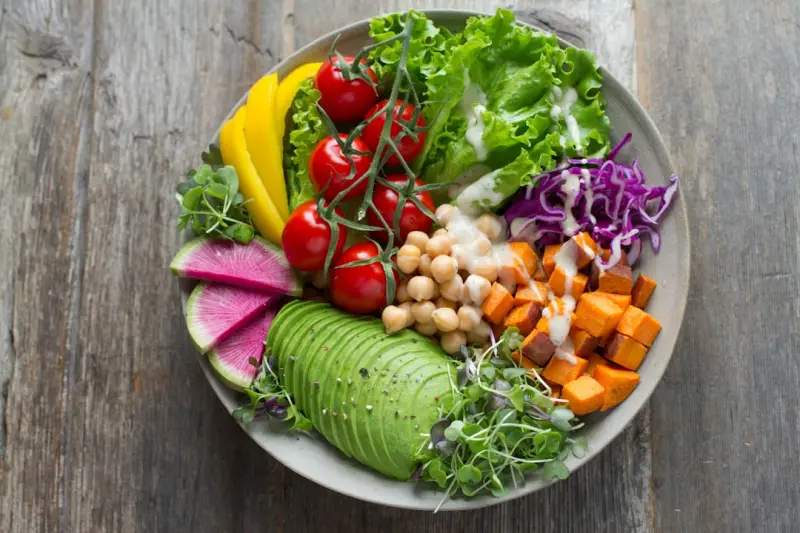
Synergistic Food Pairings: Boosting Nutrition One Plate at a Time
Learn the science behind pairing fats with vitamins, vitamin C with plant iron, and more. This gui... Read More
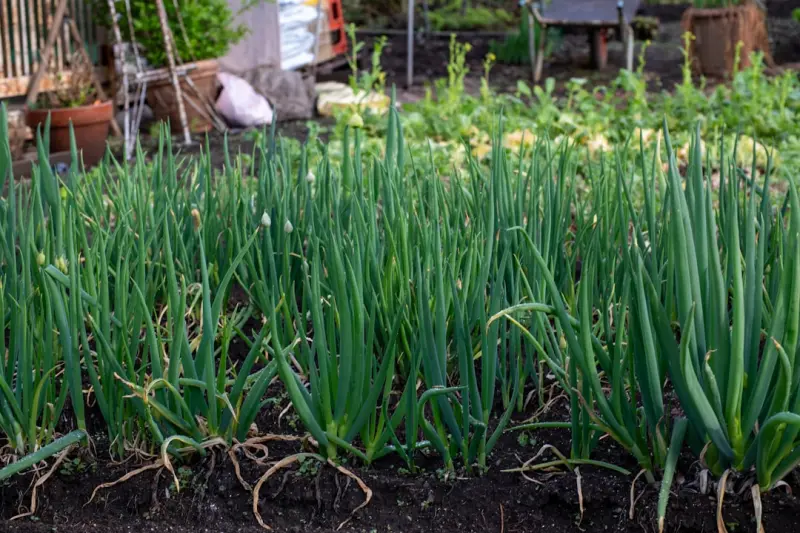
Cultivating a Kitchen Garden: How Micro‑Harvests Boost Everyday Wellness
Learn how a tiny kitchen garden can elevate your meals, enhance nutrition, and foster sustainable ha... Read More

Fermented Foods: Tiny Cultures, Big Benefits
Explore the science behind fermentation, learn easy recipes, and see how probiotic foods can improve... Read More
Top Posts

Virtual Care Hubs: Bridging the Distance Gap in Rural Canadian Health
A deep dive into virtual care hubs reveals how hybrid digital‑physical models are overcoming provider shortages, transportation challenges, and data silos to ...Read More

A Parent’s Wake‑Up Call: When Smart Speakers Eavesdrop on Playtime
Smart speakers promise convenience, but they also record and analyze every word spoken in your home. This article uncovers the privacy, developmental, and finan...Read More

Beyond the Banner: Sonic Branding’s Secret Weapon for B2B Growth
Sonic branding is emerging as a powerful differentiator in B2B marketing. This post reveals why sound outperforms visual overload, outlines a five‑pillar fram...Read More

Hidden Havens: Canada’s Community‑Driven Micro‑Destinations Redefining Adventure Travel
Explore how Canada’s emerging micro‑destinations, from renewable‑energy farms to data‑driven angling sites, are reshaping adventure travel with sustaina...Read More
0 Comments
Post Comment
You will need to Login or Register to comment on this post!