
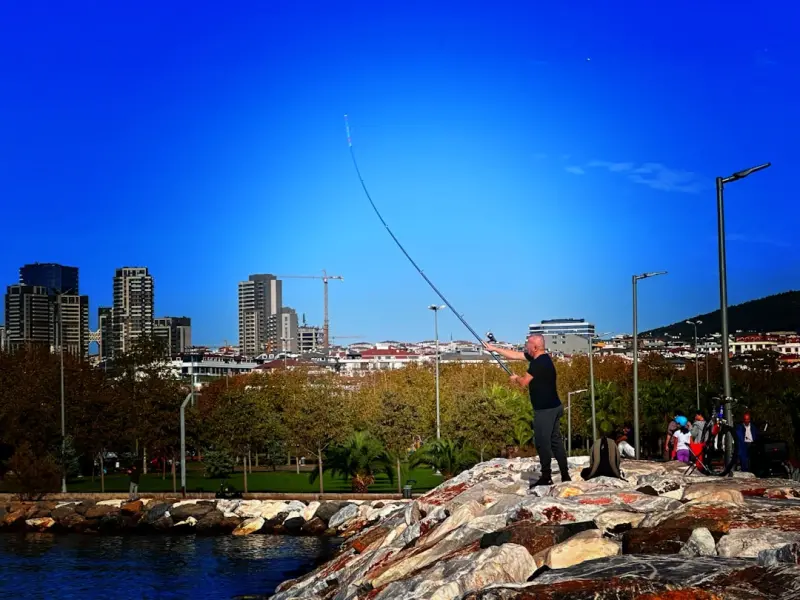
Finding the City’s Quiet Casting Corners
Every weekend I swap the buzz of downtown traffic for the gentle murmur of water flowing beneath a bridge, and Ontario’s urban rivers become my unexpected sanctuaries. The city’s network of waterways—often overlooked by commuters—offers surprisingly productive fishing spots that rival the serenity of remote lakes, especially when you know where to cast and when. I’ve learned that a little patience, a keen eye for surface activity, and a willingness to explore alleys and industrial parks can turn an ordinary Saturday into a rewarding angling adventure.
Why Sustainable Practices Matter in Urban Waters
City anglers have a unique responsibility to protect the ecosystems that grant us these convenient fishing opportunities, and that starts with simple habits like catch‑and‑release and using barbless hooks to minimize stress on the fish. The water quality in many Ontario streams is fragile; pollutants from runoff and heavy foot traffic can quickly degrade habitats, so practicing low‑impact techniques helps maintain the delicate balance. By treating each catch as a partnership rather than a prize, we ensure that future generations of city dwellers can enjoy the same hidden waterways that we cherish today.
Spotlight on Ontario’s Urban Rivers
The Don River, winding through Toronto’s east side, offers surprisingly consistent bass action near its tributary parks, especially after a light rain when insects hatch and fish feed aggressively. A short walk downstream along the Credit River’s green corridor reveals a stretch of calm pools perfect for trout, where the water’s cooler temperature creates an ideal refuge during scorching summer days. Meanwhile, the Thames River in London boasts a series of accessible banks and boat launches that attract pike and walleye, making it a favorite among local anglers who appreciate the blend of urban convenience and wilderness feel; for more ideas on exploring Ontario’s hidden waterways, you’ll find plenty of inspiration in related guides.
Gear Tweaks for the City Angler
Portability is king when you’re navigating parking lots and public transit, so I favor a lightweight spinning rod under five feet, paired with a compact reel that slides easily into a backpack. Trolling lures that mimic urban insects—such as small plastic beetles or mayfly imitators—work surprisingly well in polluted or murky sections where traditional baits lose visibility. I also keep a small selection of interchangeable leaders and hooks in a waterproof pouch, allowing quick adjustments as water conditions shift from calm ponds to swift currents within minutes.
Seasonal Rhythms in the City’s Waterways
Summer heat drives many fish species to seek cooler, deeper pockets, so targeting shaded overhangs and bridge arches during midday can dramatically increase bite rates, especially for northern pike that patrol the shadows. As autumn arrives, the influx of migrating minnows triggers a feeding frenzy among bass and perch, making early morning casts near weedy banks exceptionally productive. Winter may freeze the larger lakes, but many urban streams remain open year‑round, offering a unique chance for hardy anglers to practice “soft‑ice” fishing where the water stays liquid beneath a thin ice cover.
Community Science and Small‑Scale Experiments
Local angling clubs have begun collaborating with universities to tag and track fish movement, turning every weekend outing into valuable data collection for conservation efforts. I’ve joined a citizen‑science group that logs catch size, location, and water temperature, feeding the information into an open‑source map that helps identify over‑fished zones and recovery hotspots. These small‑scale experiments in fishing not only improve our understanding of urban ecosystems but also foster a sense of stewardship among participants.
From River to Table: Simple Urban Recipes
After a successful day on the water, I love preparing my catch with minimal fuss, letting the river’s natural flavors shine through; a quick pan‑sear with lemon, garlic, and fresh herbs brings out the delicate texture of trout caught beneath the Credit’s concrete bridges. For heartier fare, I toss pike fillets into a foil packet with sliced potatoes, onion, and a splash of white wine, cooking it on a portable camp stove beside the riverbank for a rustic, camp‑style dinner. Pairing the meal with a locally brewed Ontario cider creates a perfect harmony between land, water, and community.
The Future of Urban Angling in Ontario
Technology is reshaping how we fish in the city: mobile apps now provide real‑time water temperature readings, fish activity heatmaps, and even crowd‑sourced reports of bait effectiveness, turning a solitary hobby into a connected experience. Drone footage is being used by conservation groups to monitor habitat health, while smart tags transmit data directly to anglers’ smartphones, allowing us to adjust tactics on the fly. As municipalities invest in river revitalization projects, we can expect cleaner waters, expanded access points, and more educational signage that empowers newcomers to fish responsibly.
Closing Thoughts: Cast Your Line, Share the Moment
Urban fishing has taught me that adventure doesn’t always require a long drive; sometimes the best stories begin at the edge of a city park, where the water reflects skyscrapers and the fish bite with unexpected vigor. By embracing sustainable practices, leveraging community resources, and staying curious about the ever‑changing rhythms of Ontario’s streams, we can keep these hidden gems thriving for years to come. So pack your gear, respect the environment, and let the city’s waterways surprise you with each cast.

Related Posts
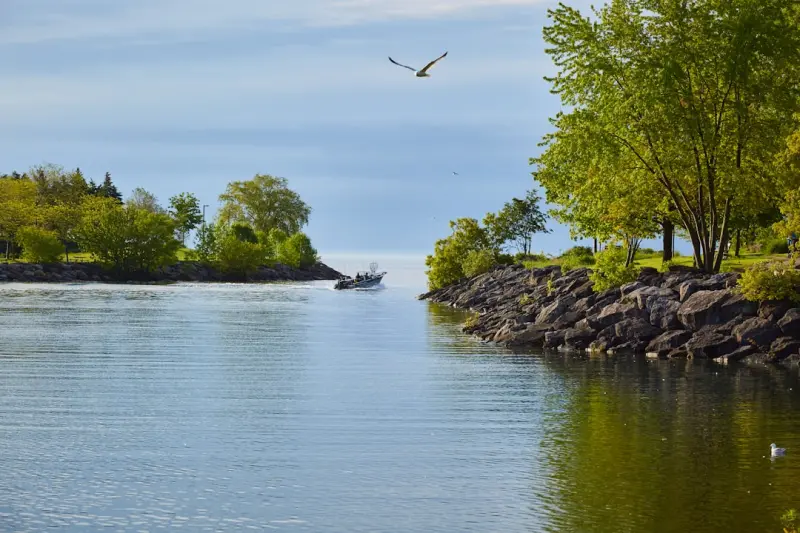
Undiscovered Angling Hotspots Across Ontario’s Waters
A deep dive into Ontario’s quiet fishing locales, offering practical gear advice, seasonal insight... Read More

Reeling in Innovation: How Smart Gear Is Transforming Ontario Fishing
Smart technology is redefining Ontario angling, offering precision targeting, data‑driven learning... Read More
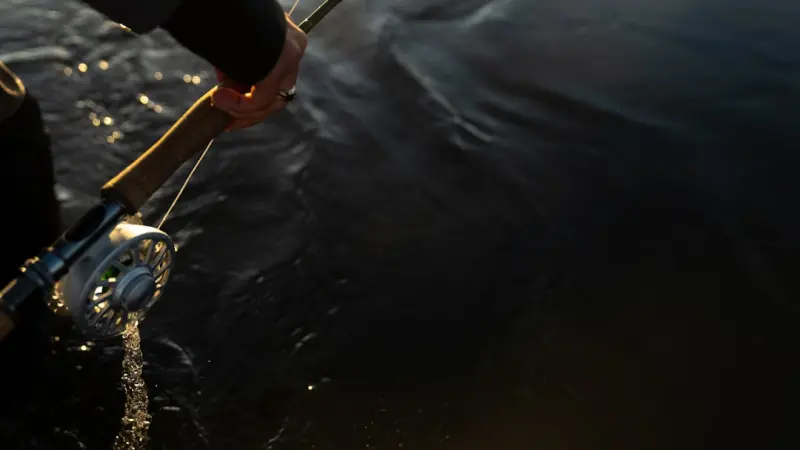
Silent Waters: Mastering Low‑Light Fishing Across Ontario’s Lakes and Rivers
Explore Ontario’s hidden night‑time fishing spots, essential gear, and techniques that blend tra... Read More
Top Posts

Beyond the Tourist Trail: Crafting Purpose‑Driven Journeys
A fresh look at travel that prioritizes cultural immersion, local connections, and purposeful experiences, guiding readers to journey beyond typical tourist hot...Read More

Legal 2.0: Reinventing SaaS Contracts for a Data‑Driven World
A deep dive into why SaaS contracts need a legal 2.0 overhaul, covering data privacy, subscription pricing, platform liability, and dispute resolution to turn a...Read More

Discovering the Enchanting 1000 Islands, Ontario: Your Guide to Things To Do, Where to Stay, and Where to Eat
The 1000 Islands region of Ontario, a breathtaking archipelago scattered across the St. Lawrence River, offers a unique blend of natural beauty, rich history, a...Read More

Seasonal Cabin Communities: Redefining Home in Canada’s Wild Landscapes
A deep dive into Canada’s growing seasonal cabin movement, highlighting design, community building, technology integration, and financial models that together...Read More
0 Comments
Post Comment
You will need to Login or Register to comment on this post!