
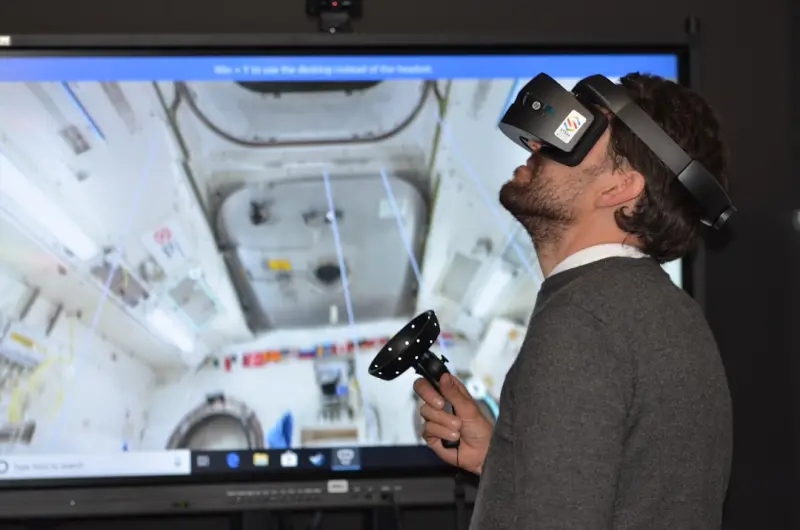
From Headsets to Heartbeats: How VR is Re‑Writing the Canadian Entertainment Playbook
When I first slipped on a VR headset at a downtown Toronto pop‑up last winter, I expected the usual novelty: pixelated forests, a handful of avatars, a brief giggle at a clumsy hand gesture. What I got instead was a visceral, community‑driven experience that felt less like a demo and more like a cultural ceremony. It wasn’t just about seeing a world—it was about living it, and the ripple effects are already reshaping the way Canadians create, consume, and share entertainment.
Why Canada is Poised for a VR Boom
Canada has long been a fertile ground for storytelling. From the rugged narratives of Indigenous oral traditions to the sleek, urban tales spun by Toronto’s film schools, there’s a national appetite for immersive narratives. VR taps directly into that hunger, offering a medium where the audience becomes a participant, not just a spectator.
Three distinct forces are converging to accelerate this shift:
- Geographic Diversity: From the icy cliffs of Newfoundland to the sun‑drenched streets of Vancouver, Canada’s varied landscapes provide an endless palette for developers to digitize and re‑imagine.
- Tech Talent Pipeline: Universities in Waterloo, Montreal, and British Columbia are pumping out graduates who blend game design, computer graphics, and cultural studies—a perfect cocktail for VR innovation.
- Funding Ecosystem: Government grants, such as the Canada Media Fund, now include dedicated streams for immersive media, lowering the financial barrier for indie creators.
The Indigenous Renaissance in Virtual Worlds
One of the most compelling narratives emerging from the VR frontier is the resurgence of Indigenous‑led experiences. For the first time, creators can embed language, ceremony, and place‑based knowledge into a digital environment that can be accessed by anyone with a headset—no passport required.
Take Waban‑aki Waters, a VR journey co‑developed by a Mi’kmaq storyteller and a Montreal tech studio. Users paddle a virtual canoe along the Atlantic coast while hearing the language of the water in real time, complete with contextual pop‑ups that explain traditional fishing techniques and the stories behind each island. The project isn’t just entertainment; it’s a living archive, a tool for language revitalization, and a bridge between generations.
These projects are sparking a larger conversation about cultural ownership in digital spaces. By giving Indigenous creators the tools to tell their own stories, VR is becoming a platform for cultural sovereignty—a topic we explore in depth in Why Canada’s National Digital Identity Initiative Is a Game‑Changer for B2B SaaS, where the implications of secure identity verification for content creators are dissected.
From Niche Labs to Main‑Street Venues
VR was once the domain of university labs and high‑budget studios. Today, you can find VR arcades tucked into coffee shops in Halifax, pop‑up VR theaters in Calgary’s art districts, and even traveling “VR trucks” that bring the experience to remote First Nations communities.
This democratization mirrors the evolution of streaming platforms that once seemed exclusive to urban centers. The same way Netflix made binge‑watching a household habit, VR is making immersive binge‑watching a reality—except you’re not just watching a series; you’re stepping inside it.
One striking example is “Neon Nights: Toronto 2030”, a city‑wide VR scavenger hunt that combined augmented reality markers with fully rendered virtual districts. Participants navigated a speculative future Toronto, solving puzzles that highlighted sustainability initiatives, public transit upgrades, and cultural hotspots. The event drew over 5,000 participants, many of whom had never tried VR before. It showcased how VR can be both a promotional tool for civic engagement and a fresh revenue stream for local businesses.
Gaming Studios Are the New Entertainment Gatekeepers
Canada’s gaming sector is already a global powerhouse, with studios like Ubisoft Montreal and EA Vancouver churning out blockbuster titles. These studios are now pivoting toward “live‑service VR” models, where content is updated regularly, and communities co‑create narratives.
Imagine a virtual concert where the setlist changes based on real‑time audience votes, or a sports league where the rules evolve each season through player‑driven governance. This hybrid of gaming and traditional entertainment blurs the lines we once drew between “movies,” “games,” and “live events.”
In fact, the success of such models is partly attributed to the data‑driven strategies discussed in When Menus Whisper: Crafting Stories Behind Every Bite. The article highlights how granular data can inform storytelling, a principle now being applied to VR experiences to personalize narratives on the fly.
Economic Impact: Jobs, Revenue, and the Ripple Effect
Beyond cultural enrichment, the VR wave is generating tangible economic benefits. According to a recent report from the Canadian Interactive Media Association, the VR sector added over CAD 1.2 billion in direct revenue last year and created roughly 8,000 jobs across development, hardware retail, and experiential design.
These numbers are expected to double within the next three years, driven by:
- Hardware Accessibility: Standalone headsets like the Meta Quest series have lowered entry costs, making home‑based VR feasible for middle‑class families.
- Corporate Partnerships: Brands are sponsoring VR experiences to engage younger demographics, similar to how music festivals partnered with tech sponsors in the past.
- Tourism Integration: Provinces are packaging VR tours of heritage sites alongside physical visits, encouraging a hybrid tourism model that extends visitor stay and spend.
Challenges on the Horizon
While the momentum is undeniable, VR’s rise is not without obstacles. Motion sickness remains a barrier for older audiences, and there are ongoing debates around content moderation—especially for user‑generated experiences that may touch on sensitive cultural themes.
Moreover, the industry grapples with the “digital divide.” High‑speed internet is still patchy in many rural and Indigenous communities, limiting access to the full VR experience. Addressing this requires coordinated policy efforts, infrastructure investment, and community‑led solutions.
What the Future Holds: A Glimpse 5 Years Ahead
Looking forward, I see three trends converging to define the next chapter of Canadian entertainment:
- Hybrid Real‑Virtual Events: Live concerts will incorporate VR overlays, allowing remote fans to “stand” on stage with the performers.
- AI‑Enhanced Storytelling: While AI is a hot buzzword, its role will be to personalize narrative arcs based on a user’s emotional responses, creating truly unique experiences.
- Cross‑Border Cultural Exchanges: Canadian VR studios will collaborate with Indigenous creators from the U.S. and Mexico, building a North‑American tapestry of shared stories.
These developments will not only enrich the cultural fabric but also position Canada as a global hub for immersive entertainment—a claim that is already being whispered in tech corridors from Vancouver to Halifax.
Getting Started: Tips for Creators and Audiences
If you’re an aspiring creator, here are a few practical steps to dive in:
- Start Small: Use affordable development tools like Unity or Unreal Engine’s free tiers to prototype.
- Partner with Cultural Institutions: Museums and cultural centers are eager for VR collaborations that expand their reach.
- Leverage Grants: Keep an eye on federal and provincial funding calls focused on immersive media.
For audiences eager to explore, try these entry points:
- Visit a local VR arcade or pop‑up (many cities now list them on community event boards).
- Check out subscription services that offer VR content libraries—some even bundle hardware rentals.
- Engage with community forums where creators share beta experiences and gather feedback.
Conclusion: The Heartbeat of a New Era
Canadian entertainment has always been about storytelling, community, and innovation. VR is simply the newest medium through which those timeless values find fresh expression. Whether you’re a creator, a cultural advocate, or a curious viewer, the virtual frontier invites you to step in, look around, and become part of the story.

Related Posts

Canada’s Esports Surge: From Basement Tournaments to City‑Scale Economic Engines
From modest gaming lounges to massive arenas, Canada’s esports industry is transforming entertainm... Read More

From Small Screens to Big Stages: How Canada’s Indie Film Festivals Are Redefining Entertainment
Canada’s indie film festivals are more than screenings; they’re cultural engines that amplify di... Read More

Canada’s Indie Gaming Revolution: How Small Studios Are Redefining Entertainment
Canada’s indie game developers are quietly transforming entertainment, merging local stories with ... Read More
Top Posts

Reimagining Prom and Graduation for the Digital Generation
A fresh look at prom and graduation shows how AI‑styled outfits, hybrid ceremonies, sustainable décor, and mental‑health support are redefining these miles...Read More
Citizen Assemblies Are the Quiet Revolution Reshaping Canadian Politics
Citizen assemblies are emerging as a transformative force in Canadian politics, bringing diverse voices together to shape policy on issues like climate, digital...Read More
Tariffs as Community Catalysts: Turning Duties into Local Opportunity
Discover how tariffs reshape community dynamics, influence consumer psychology, and offer a strategic playbook for small businesses to turn duty hikes into grow...Read More
Smart Home Hacks to Cut the Cost of Living
A practical guide on using adaptive thermostats, AI‑driven load scheduling, smart plugs, and micro‑wellness habits to turn your home into a low‑cost, high...Read More
0 Comments
Post Comment
You will need to Login or Register to comment on this post!