
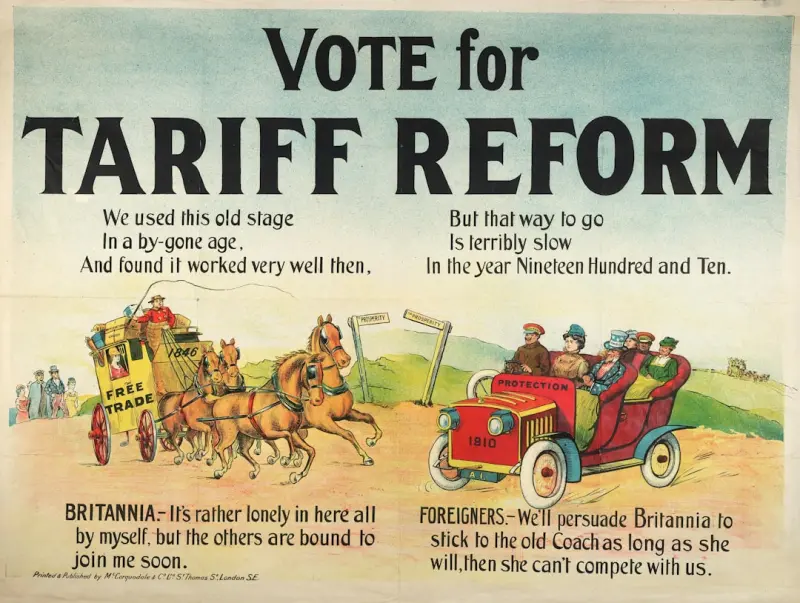
Why tariffs matter beyond the headline numbers
When I first heard the chatter about new duties at the border, I imagined a sterile spreadsheet of import costs, but the reality is a living, breathing ripple that reaches into the grocery aisle, the local boutique, and even the family dinner conversation. Tariffs are not just fiscal levers; they are social signals that tell producers, retailers, and consumers alike which goods are “worth” the extra effort, subtly reshaping supply chains and prompting a quiet migration toward domestic alternatives that many of us never anticipated. In practice, the shift can be felt the moment a farmer decides to plant a different crop because the cost of imported seeds spikes, or when a small‑scale coffee roaster swaps imported beans for a regional micro‑farm, a change that ultimately rewires taste preferences and community resilience.
These adjustments are rarely captured in macro‑economic dashboards, yet they form a mosaic of everyday decisions that cumulatively rewrite market dynamics. For example, the sudden rise in duties on electronic components nudged a handful of hardware startups to source locally‑made boards, sparking a modest renaissance in regional manufacturing that would have been impossible without that policy pressure. The hidden narrative here is that tariffs, when applied thoughtfully, can act as catalysts for “glocal” innovation—global ideas adapted to local contexts—creating a feedback loop where policy influences entrepreneurship, and new businesses, in turn, inform future policy refinements.
Understanding this loop requires moving past the conventional lens of trade balances and looking at the micro‑stories that stitch a nation together. A single tariff increase on imported timber may push a furniture maker to partner with a nearby sawmill, thereby shortening delivery times, reducing carbon footprints, and strengthening local employment. These nuanced outcomes illustrate that tariffs are not merely punitive measures; they can be strategic tools for nurturing home‑grown ecosystems, provided policymakers listen to the voices emerging from workshops, town halls, and even the comment sections of industry blogs.
The human side: consumer psychology and community resilience
From a consumer’s perspective, tariffs introduce an invisible narrative that shapes perception more than price alone; the idea that a product carries a “duty tag” often triggers a subconscious valuation shift, making locally sourced alternatives feel both patriotic and pragmatic. Studies in behavioral economics reveal that people are more willing to pay a modest premium for goods they believe support domestic workers, especially when the narrative is reinforced by clear labeling and community storytelling. This psychological nudge can be harnessed by small entrepreneurs who frame their products not just as “made locally,” but as “part of a collective effort to keep our streets vibrant and our jobs secure.”
Community resilience also blossoms when tariffs create a shared sense of purpose. In neighborhoods where imported clothing becomes noticeably more expensive, local tailors and textile cooperatives often experience a surge in demand, prompting them to innovate with sustainable fabrics and modern designs that attract younger shoppers. The resulting collaboration—between consumers eager to support local craftspeople and artisans motivated to expand their reach—strengthens social capital, turning a fiscal policy into a catalyst for cultural revival. As residents gather at pop‑up markets, they exchange stories about the origins of each piece, reinforcing a collective identity that extends far beyond the price tag.
To illustrate the tangible benefits of this shift, consider the case of a coastal town where increased duties on imported seafood spurred a homegrown fishery cooperative to invest in cold‑storage technology, allowing them to supply fresh catch year‑round. The cooperative’s success story, featured in local news and social media, sparked a ripple effect: restaurants updated their menus, schools incorporated “catch‑of‑the‑day” programs, and tourists began seeking authentic, locally sourced meals. The community’s economic fabric grew stronger, all while the narrative of “supporting our own” resonated deeply with residents, reinforcing the idea that tariffs can seed a virtuous cycle of local empowerment.
Strategic playbook for small business owners
For the small business owner staring at a new duty schedule, the first step is to transform what appears to be a cost burden into a market opportunity, and that starts with a thorough audit of the product mix. Identify which SKUs are most exposed to the tariff, then evaluate whether a domestic alternative exists or if a value‑added version can be created that justifies a higher price point. In many cases, partnering with a nearby supplier can not only sidestep the duty but also reduce lead times, lower shipping emissions, and provide a compelling “made close to home” story that resonates with conscientious shoppers.
Next, leverage transparent communication to turn the tariff narrative into a brand advantage. A concise, honest explanation on your website—perhaps highlighted with a “Why We Source Locally” badge—can build trust and invite customers to become advocates for your mission. Embedding an internal link such as how hidden costs affect everyday spending can educate readers on the broader economic context, while simultaneously positioning your business as part of the solution rather than a victim of policy.
Finally, embed flexibility into your supply chain by diversifying sources and incorporating modular design principles, a strategy echoed in the legal tech world where adaptable contracts reduce friction. By consulting resources like Legal Design: Transforming Contracts for the Digital Age, owners can draft agreements that allow for rapid substitution of components without renegotiating entire terms, ensuring that future tariff adjustments won’t cripple operations. This proactive stance—combining savvy sourcing, transparent storytelling, and contract agility—empowers entrepreneurs to not only survive new duties but to thrive, turning policy shifts into engines of growth and community pride.

Related Posts

The Tariff Tango: How Rural America is Dancing with Uncertainty
The tariff tango: how rural America is dancing with uncertainty. Learn about the impact of tariffs o... Read More

Tariff Strategies for the Modern Canadian Entrepreneur
Explore fresh tariff strategies for Canadian entrepreneurs, covering digital goods, trade agreements... Read More

Navigating Tariffs: Turning Policy Shocks into Strategic Wins
Learn to transform tariff challenges into strategic opportunities through foresight, classification ... Read More
Top Posts

Conversational Commerce: How Voice, Community, and AI Are Redefining Marketing
Discover why conversational commerce, powered by voice, community ecosystems, and AI, is the new cornerstone of modern marketing and how to leverage it for last...Read More

Unlocking Hidden Savings: A Shopper’s Guide to Smarter Spending
Learn fresh, actionable strategies to cut hidden costs, stack cashback rewards, and leverage community buying power, turning everyday purchases into real saving...Read More

The Hidden Architecture of Hyper‑Connected Travel: From Biometric Gates to Pop‑Up Hotels
A deep dive into the new travel ecosystem—biometric identity, AI assistants, AR tours, and modular pop‑up hotels—showing how data, privacy, and sustainabi...Read More
Virtual Care Hubs: Redefining Rural Health Access in Canada
Virtual care hubs are emerging as a lifeline for remote Canadians, combining high‑speed connectivity, on‑site health aides, and culturally aware services to...Read More
0 Comments
Post Comment
You will need to Login or Register to comment on this post!