
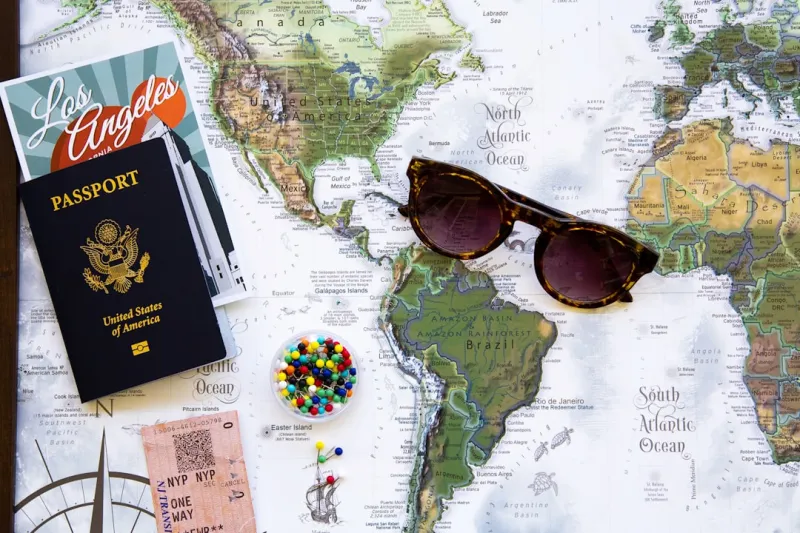
Why Wanderlust Still Matters in 2024
Even after a decade of global upheaval, the itch to explore remains as potent as ever, and I’ve learned that the best journeys are those that marry curiosity with purpose. Travel renaissance isn’t just a buzzword; it’s a collective sigh of relief from people who have spent years behind screens, yearning for tactile memories that only a sunrise over a foreign horizon can deliver. When I step off a plane in a bustling market or hike a quiet trail in the Rockies, I feel a reconnection to the world that no virtual tour can replicate, and that feeling fuels my storytelling, my photography, and my relentless quest for the next hidden gem. In this era of hyper‑connectivity, the act of physically immersing yourself in another culture becomes a form of rebellion against the monotony of algorithm‑driven feeds, and it’s that rebellion that I aim to capture for my readers.
What’s fascinating is how this renewed desire to travel is reshaping economies, from remote villages that once struggled to attract tourists to major cities that now curate hyper‑personalized itineraries for the discerning explorer. I’ve watched small towns reinvent themselves by offering artisanal workshops, local storytelling sessions, and eco‑friendly lodging that appeal to the modern traveler’s appetite for authenticity. The ripple effect is palpable: increased employment, preservation of cultural heritage, and a new wave of cross‑border collaborations that echo the spirit of global citizenship. As someone who’s been lucky enough to chase horizons from the streets of Tokyo to the vineyards of Tuscany, I can attest that the most rewarding trips are those where the traveler becomes a temporary participant in the host community’s daily rhythm.
The Hybrid Journey: Land, Sea, and Sky
There’s a growing chorus of adventurers who refuse to confine themselves to a single mode of transport, and I’m right there with them, charting routes that blend the romance of the open road with the luxury of a cruise liner. In my recent expedition across the Pacific Northwest, I swapped my rental car for a night‑long cruise through Puget Sound, then hopped back onto a chartered bus that whisked me to the misty cliffs of the Olympic Peninsula. The seamless transition between ship and bus not only maximized my sightseeing time but also introduced me to a diverse set of fellow travelers, each with their own stories and travel hacks. For those curious about the logistics, I’ve written a detailed guide on blending ship and bus adventures that breaks down scheduling, budgeting, and the surprising comfort of sleeping in a cabin after a day of road‑tripping.
The magic of hybrid travel lies in its ability to surprise you at every turn; one moment you’re savoring fresh oysters on a waterfront deck, the next you’re winding through forest‑lined highways with a playlist of local indie bands. This dynamic approach also encourages a deeper engagement with the environment, as you’re forced to consider the ecological footprint of each leg of the journey. By selecting shorter ferry rides, opting for fuel‑efficient buses, and prioritizing overnight stays in eco‑certified hotels, the modern explorer can craft an itinerary that feels both adventurous and responsible. My own experiences have taught me that the stories worth telling are rarely found in the straight‑line routes but in the serendipitous intersections of land, sea, and sky.
Budget‑Smart Strategies for the Modern Explorer
Travel should be a joy, not a financial nightmare, and over the years I’ve refined a set of tactics that keep my adventures both exciting and affordable. One cornerstone of my approach is leveraging seasonal discounts, which often surface when airlines and hotels anticipate lower demand and release “last‑minute” promotions that can slash prices by up to 40 percent. I also keep a vigilant eye on loyalty programs, converting everyday purchases into points that eventually fund free flights or upgrades. When it comes to dining, I’ve discovered that street‑food markets and family‑run eateries not only offer authentic flavors but also provide the best value for money, allowing me to stretch my culinary budget without sacrificing quality.
For those looking to dig deeper into the financial side of travel, my insider playbook for scoring the best deals lays out a step‑by‑step roadmap: from setting up price‑alert tools and mastering the art of flexible dates to negotiating directly with boutique hotels for complimentary perks. I also recommend bundling experiences—such as combining a city tour with a local cooking class—to unlock package discounts that traditional booking sites often overlook. By treating each expense as an investment in a story rather than a cost, you’ll find that the world opens up in ways you never imagined, and your wallet will thank you for the strategic foresight.
Cultural Immersion Beyond the Tourist Trail
Travel, at its core, is a dialogue between the visitor and the host, and the most memorable chapters of my journeys have always been written in the moments when I stepped off the beaten path. Whether it was joining a sunrise prayer ceremony in a remote Bhutanese village or learning traditional pottery techniques from a generational family in Oaxaca, these immersive experiences transformed my perception of place from a static backdrop to a living, breathing narrative. I’ve learned that the key to unlocking such moments lies in humility: listening more than speaking, offering help without expecting a tip, and respecting local customs even when they challenge my comfort zone.
In recent trips, I’ve also embraced the growing trend of volunteer tourism, where a few days of service can deepen connections with communities and provide a sense of purpose beyond sightseeing. By collaborating with local NGOs—whether restoring coral reefs in the Maldives or assisting in harvest festivals in rural Canada—I’ve witnessed firsthand how travel can become a catalyst for positive change. These experiences have enriched my storytelling, allowing me to spotlight not just the scenic vistas but also the resilient people who shape them, and they remind me that every journey is an opportunity to leave a gentle footprint of respect and curiosity.
Sustainable Travel: My Personal Commitment
As the climate conversation intensifies, I’ve made a conscious decision to embed sustainability into every aspect of my travel philosophy, and I encourage fellow wanderers to do the same. This begins with choosing carbon‑offset programs that fund reforestation projects, but it extends to everyday habits like packing reusable containers, supporting renewable‑energy‑powered accommodations, and opting for public transportation whenever possible. I’ve discovered that many destinations now offer “green passes” that grant access to attractions while contributing to conservation funds, turning a simple sightseeing day into an act of stewardship.
Beyond the logistical choices, sustainable travel for me is also about preserving cultural integrity. By patronizing locally owned businesses, I help retain the unique flavor of a place that mass tourism often erodes. I also practice “slow travel,” spending more time in fewer locations to reduce my carbon footprint and foster deeper relationships with the community. My hope is that as more travelers adopt these mindful practices, the industry will shift toward a model that balances economic vitality with environmental responsibility, ensuring that the places we love today remain vibrant for generations to come.
Looking Ahead: The Future of Exploration
The horizon of travel is evolving at an unprecedented pace, driven by technology, shifting consumer values, and a renewed emphasis on authenticity. Emerging tools like AI‑curated itineraries promise to personalize trips down to the minute, while virtual reality previews allow travelers to “try before they buy,” reducing the risk of disappointment. Yet, I remain convinced that the soul of travel will always reside in the spontaneous, unplanned encounters that no algorithm can replicate. The challenge—and the excitement—lies in blending these digital enhancements with the timeless thrill of stepping into an unknown street, striking up a conversation with a stranger, and letting the world surprise you.
In the coming years, I anticipate a surge in “regenerative travel,” where tourists actively contribute to the restoration of ecosystems and the revitalization of local economies. This movement aligns perfectly with my own ethos of leaving places better than I found them. As we collectively navigate this new era, I encourage every reader to become an ambassador of curiosity, compassion, and stewardship, because the stories we share today will shape the travel landscape of tomorrow. So pack your curiosity, keep an open mind, and let the world be your classroom.

Related Posts
Regenerative Travel: Turning Vacations into Restoration Projects
Regenerative travel redefines tourism by turning each journey into a chance to heal the planet and u... Read More

How AI is Redefining the Way We Travel
AI is turning travel into a hyper‑personalized adventure by learning each traveler’s preferences... Read More
Rediscovering Ontario: Why Prince Edward County Should Be Your Summer Destination
According to a recent survey by Context Research Group (CRG) for Destination Ontario, Ontarians are ... Read More
Top Posts

Wild Herb Walks: Turning City Streets into Flavorful Kitchens
Explore the art of urban foraging, from gathering wild greens on city streets to crafting seasonal broths, pickles, and communal meals that celebrate hidden fla...Read More

From Small Screens to Big Dreams: The Indie Film Revival Shaping Canadian Entertainment
A deep dive into the indie film renaissance in Canada, highlighting digital democratization, community-powered financing, Indigenous storytelling, and immersive...Read More

Seasonal Superfoods: Tuning Your Diet to Nature’s Clock
Learn why syncing your meals with seasonal superfoods can transform your vitality, support gut health, and reduce waste, all while savoring nature’s freshest ...Read More

Redefining Prom and Graduation: Sustainable, Meaningful Celebrations
A fresh look at prom and graduation planning: sustainable fashion, zero‑waste décor, community resources, and digital memory‑keeping for unforgettable mile...Read More
0 Comments
Post Comment
You will need to Login or Register to comment on this post!