
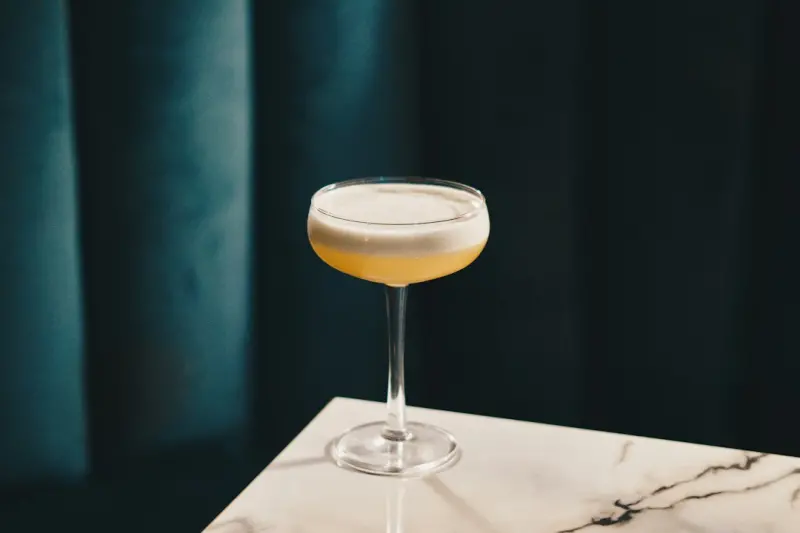
When Algorithms Meet Mixology: The AI‑Powered Cocktail Renaissance
It’s a strange time to be a drink enthusiast. I used to spend evenings thumbing through glossy bar‑books, hunting for that perfect balance of bitter, sweet, and citrus. Now, my phone buzzes with a notification from a sleek app that claims it can design a cocktail just for me—based on my mood, the weather outside, and even the playlists I’m looping on repeat. As someone who’s always chased the next flavor frontier, I’m both skeptical and intrigued. So I dove headfirst into the world of AI‑driven mixology, and what I discovered is a fascinating blend of data science, sensory psychology, and good‑old‑fashioned bartending artistry.
Why We Need a Digital Sommelier in the Bar
Think about it: the average cocktail menu offers 12 to 24 options. Most patrons scroll, pick, and hope the choice lands somewhere between “delicious” and “I’ll never order this again.” Yet every palate is a fingerprint—unique, ever‑changing, and deeply personal. Traditional bartenders rely on experience, intuition, and a handful of classic formulas. AI, however, can parse millions of flavor pairings, user reviews, and even molecular composition data in seconds.
In the same way that conversational marketing leverages real‑time data to speak directly to consumers, AI mixology interprets the “conversation” you’re having with your senses. It asks: Are you craving something bright to match a sunny afternoon? Do you need a comforting, spice‑laden sip after a long day? The algorithm translates these cues into precise measurements, ingredient substitutions, and garnish suggestions that feel tailor‑made.
The Science Behind the Sip
At the core of AI cocktail creation lies flavor profiling. Researchers have broken down tastes into quantifiable dimensions: sweetness, acidity, bitterness, umami, and a suite of aromatic compounds. Machine learning models ingest datasets from professional bartenders, crowd‑sourced tasting notes, and even chemical analyses of spirits. Over time, these models learn which combinations yield harmony and which clash like oil and water.
- Ingredient Mapping: AI charts a network of possible pairings, ranking them by predicted compatibility. For example, it might discover that a dash of smoked paprika amplifies the smoky notes in mezcal while complementing the citrusy edge of yuzu.
- Mood Matching: By integrating sentiment analysis from social media or personal journaling apps, the algorithm can suggest a “comforting” drink when it detects stress‑related keywords.
- Environmental Adaptation: Weather data informs the temperature and texture of a cocktail—light, effervescent spritzes for a humid night, or rich, velvety old‑fashioneds when it’s chilly.
All this happens in the background, surfacing a recipe that feels both innovative and intuitively right for the moment.
From Lab to Bar: How the Workflow Unfolds
Here’s a typical journey I followed with one of the leading AI cocktail platforms:
- Input Phase: I answered a quick questionnaire—my current mood (“adventurous”), preferred spirit (gin), dietary restrictions (no dairy), and the weather (cool, overcast).
- Algorithmic Crunch: The AI cross‑referenced my answers with its massive flavor database, narrowing down a shortlist of 3‑5 bespoke cocktails.
- Human Touch: The platform offered an “adjustability” slider, allowing me to tweak bitterness or sweetness levels before finalizing.
- Preparation Guide: A step‑by‑step visual guide popped up, complete with recommended glassware, shaking technique, and garnish placement.
- Sipping & Feedback: After tasting, I could rate the drink, feeding the system more data to refine future suggestions.
The process felt like a collaboration between a seasoned mixologist and a data‑driven assistant. The result? A gin‑based elixir infused with lemongrass, a hint of kaffir lime, and a whisper of rosemary smoke—exactly the kind of “adventurous” vibe I was craving on a drizzly evening.
Ethical & Cultural Considerations
While the technology is thrilling, it also raises questions about authenticity and cultural appropriation. Cocktails often draw from regional traditions—think the classic caipirinha from Brazil or the Japanese highball. If an algorithm suggests a drink that borrows flavors without acknowledging its roots, we risk erasing the stories behind those ingredients.
Responsible platforms are beginning to embed provenance metadata, crediting the origin of each component. This not only honors cultural heritage but also educates consumers, encouraging them to explore the histories that flavor each sip.
AI Meets Sustainability: Reducing Waste, One Drink at a Time
One of the most compelling benefits of AI mixology is its potential to combat drink‑related waste. By analyzing inventory levels in real time, the system can recommend recipes that use up excess ingredients before they expire. Imagine a bar with surplus citrus—AI might suggest a series of citrus‑forward cocktails, reducing the need to toss perfectly good fruit.
This mirrors broader trends in the food sector, where tech‑driven solutions are tackling waste at scale. For instance, seasonal cooking guides encourage using what’s abundant now, minimizing the environmental footprint.
The Future: Augmented Reality (AR) Menus & Beyond
Looking ahead, AI isn’t stopping at recipe generation. Imagine pointing your phone at a cocktail menu and seeing an AR overlay that visualizes each drink’s aroma profile, texture, and suggested food pairings. Some experimental bars are already piloting this tech, letting patrons “smell” a drink virtually before ordering.
There’s also talk of integrating AI with smart home bar accessories—automated dispensers that measure and pour ingredients with surgical precision, ensuring consistency across every pour. Coupled with voice‑activated assistants, you could ask, “Hey, mix me something bright for a sunrise,” and watch the machine do its magic.
Tips for Home Bartenders Wanting to Embrace AI
If you’re curious but hesitant, here are some low‑barrier ways to dip your toes into AI‑enhanced mixing:
- Start with a Free App: Several platforms offer basic flavor‑matching tools at no cost. Play around with them to understand how your preferences translate into ingredient choices.
- Track Your Preferences: Keep a simple spreadsheet of drinks you love, noting the base spirit, dominant flavors, and any dietary notes. Feeding this data into an AI system improves its recommendations.
- Experiment with Substitutions: Let the algorithm suggest alternative spirits or bitters. You might discover that swapping rye for a smoky Japanese whisky adds an unexpected depth.
- Share Feedback: The more honest you are about what works and what doesn’t, the smarter the AI becomes. Think of it as training a pet—positive reinforcement goes a long way.
- Mind the Story: Even if a drink is generated by code, take a moment to craft a narrative. A good story turns a simple sip into an experience worth sharing on social media.
Conclusion: A Toast to Collaboration
The rise of AI in the cocktail world isn’t about replacing the bartender; it’s about expanding the toolbox of flavors, precision, and personalization. As someone who lives for the thrill of discovering new taste horizons, I’m excited to see technology and tradition dance together over a glass. So the next time your phone suggests a rosemary‑smoked gin fizz, don’t dismiss it—raise your shaker, trust the data, and savor the future one sip at a time.

Related Posts
When Your Fridge Knows Your Taste: AI‑Driven Flavor Profiles for Home Cooks
Explore how AI can scan your pantry, learn your taste preferences, and generate personalized, wasteâ... Read More
Urban Foraging & Zero‑Waste Drinks: A Fresh Take on Food & Drink
Explore how to turn city wild greens, kitchen scraps, and local herbs into delicious meals and drink... Read More
When Pixels Meet Palate: How Augmented Reality Is Reshaping the Dining Table
A deep dive into how augmented reality is changing the way we eat, offering transparency, engagement... Read More
Top Posts
Sailing and Rolling Green: The Rise of Eco‑Friendly Cruises and Bus Tours
From solar‑powered ships to electric coaches, discover the new wave of sustainable cruises and bus tours that blend adventure, community, and planet‑first t...Read More
From Fields to Experiences: How Canadian Farmers Are Turning Their Land into Destination Adventures
Explore the rise of agri‑tourism in Canada, where farms become immersive destinations offering hands‑on experiences, sustainable practices, and new revenue ...Read More

Ghost Kitchens, Zero‑Waste Menus, and the Hyper‑Local Revolution
A deep dive into the rise of ghost kitchens, zero‑waste culinary practices, and hyper‑local sourcing, offering restaurateurs a roadmap to blend technology, ...Read More
Ambient Wellness: Designing Health‑Boosting Spaces for Everyday Life
Ambient wellness turns everyday environments into silent health boosters. Discover how light, sound, air, and scent can be deliberately designed to improve slee...Read More
0 Comments
Post Comment
You will need to Login or Register to comment on this post!