
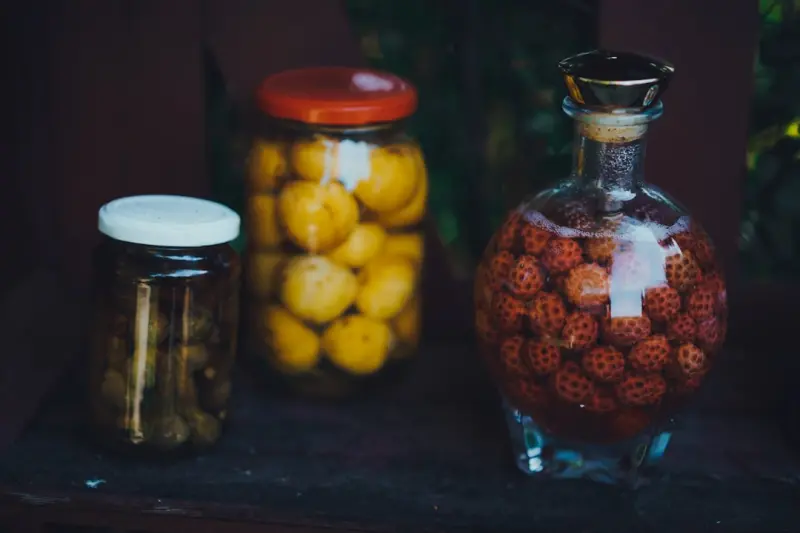
The Fermentation Renaissance: How Home Makers Are Turning Everyday Foods into Supercharged Staples
When I first stumbled onto a jar of bubbling kimchi in a downtown farmer’s market, I was instantly hooked. The sharp, tangy aroma hinted at a story far older than the modern kitchen—one that spans continents, cultures, and centuries. Since that moment, I’ve become a self‑declared fermentation fanatic, and I’m convinced we’re on the cusp of a home‑grown revolution that will reshape how we think about flavor, nutrition, and waste.
Fermentation isn’t a new trick reserved for artisanal chefs or niche health gurus. It’s a biological process that turns sugars into acids, gases, or alcohol, preserving food, enhancing its taste, and often boosting its nutritional profile. From the humble sauerkraut on a German table to the fiery gochujang of Korea, fermented foods have been the unsung heroes of survival and celebration alike. Today, technology, community sharing, and a growing appetite for sustainable eating are converging to make fermentation accessible to anyone with a pantry and a curiosity.
Why Fermentation Matters More Than Ever
There are three compelling reasons that have propelled fermentation from the back of the pantry into the spotlight of modern gastronomy:
- Flavor Amplification: Fermentation creates complex, umami‑rich notes that are impossible to achieve with heat alone. A splash of smart ingredient pairings can turn a bland carrot into a symphony of sweet, sour, and savory.
- Health Boosts: The process encourages the growth of beneficial bacteria—probiotics—that support gut health, immunity, and even mental well‑being. Studies link regular consumption of fermented foods to improved digestion and reduced inflammation.
- Sustainability: Fermentation extends shelf life, reducing food waste. Turning surplus veggies into pickles or excess milk into yogurt means less landfill, fewer grocery trips, and a smaller carbon footprint.
From the Basics to the Bold: What You Can Ferment at Home
Getting started is less about exotic ingredients and more about mastering a few core techniques. Below is a quick guide to the most beginner‑friendly categories, each with a flavor‑profile twist you can customize.
Vegetable Ferments
Think beyond basic sauerkraut. By adjusting salt ratios, adding aromatic herbs, or incorporating a splash of fruit juice, you can craft everything from spicy kimchi to tangy radish kimchi. The key is a clean, anaerobic environment—typically a sealed mason jar with a fermentation weight.
Dairy Ferments
Yogurt, kefir, and cultured butter are staples, but you can also experiment with fermented cheese spreads and even dairy‑free alternatives using coconut milk. A simple starter culture (available at most health stores) combined with a consistent temperature (around 100°F/38°C) yields creamy results in just 24‑48 hours.
Grain & Legume Ferments
Tempeh, miso, and sourdough are the heavyweights here. They require inoculation with specific molds or bacteria, but the payoff is a deep, nutty flavor and a protein boost. For the adventurous, fermenting beans into natto or making a sourdough starter from scratch can be a rewarding project.
Beverage Ferments
Here’s where creativity really shines. Kombucha may dominate the conversation, yet the zero‑waste cocktail movement has shown us how to repurpose spent tea leaves into sparkling shrubs or turn fruit scraps into probiotic sodas. Even simple ginger ale can be fermented for a naturally fizzy, gut‑friendly refresher.
Tools of the Trade: What You Really Need
Contrary to popular belief, you don’t need a high‑tech lab. A few humble items are enough:
- Mason Jars or Crock Pots: Wide‑mouth jars make it easy to pack veggies and monitor bubbles.
- Fermentation Weights: These keep the food submerged beneath the brine, preventing mold.
- Lid with Airlock (optional): Allows CO₂ to escape while keeping oxygen out, ideal for longer ferments.
- Thermometer: Most fermentations thrive between 65°F–75°F (18°C–24°C).
Once you have the basics, the rest is experimentation. Keep a journal of salt percentages, temperature, and flavor outcomes; it’s the best way to fine‑tune your craft.
Fermentation Meets Modern Technology
While the process itself is ancient, today’s tech is giving home fermenters a boost. Smartphone apps now let you track pH levels, set reminders for daily checks, and even suggest recipe tweaks based on ambient temperature. Some startups are even shipping starter cultures tailored to regional climates, ensuring reliable results whether you live in a humid coastal town or a dry inland city.
Community, Collaboration, and the Sharing Economy
One of the most exciting developments is the rise of local fermentation co‑ops. These community hubs offer shared fermentation stations, workshops, and a marketplace for trading surplus batches. By pooling resources, hobbyists gain access to larger fermentation vessels and specialized equipment they might not afford individually. Moreover, the collaborative spirit fuels knowledge exchange—think potluck tastings where you swap jars of fermented garlic, beet kvass, and fermented hot sauce.
Sustainability Spotlight: Upcycling Food Waste
Fermentation is a powerful ally in the fight against food waste. Instead of tossing wilting greens, you can slice and ferment them into tangy slaws. Coffee grounds? Brew a coffee‑infused kombucha. Overripe fruit? Transform it into a probiotic fruit leather. The possibilities are endless, and each jar represents a small but meaningful step toward a circular food system.
Flavor Pairing in Fermentation: The Science Behind the Magic
When you ferment, you’re not just preserving; you’re unlocking new flavor compounds. The interaction between lactic acid bacteria and the natural sugars in foods creates volatile aromatics that pair beautifully with certain herbs, spices, and even sweeteners. For instance, adding a pinch of fennel seed to cabbage ferment introduces a subtle anise note, while a dash of smoked paprika can lend a smoky depth to carrot kimchi. Understanding these pairings can turn a simple jar of pickles into a gourmet garnish.
Recipes to Get You Started
- Spicy Carrot Kimchi – Shred carrots, coat with a 2% salt brine, add ginger, garlic, and gochugaru. Ferment for 3‑5 days at room temperature.
- Garlic‑Infused Yogurt – Warm milk to 110°F, whisk in a spoonful of plain yogurt starter, stir in minced roasted garlic, and incubate for 12 hours.
- Berry Shrub Soda – Mix equal parts berries and sugar, let sit 24 hours, strain, add apple cider vinegar, and bottle with a splash of sparkling water.
- Herb‑Laced Sauerkraut – Traditional cabbage ferment with caraway seeds, dill, and a touch of honey for a sweet‑savory twist.
Future Trends: Where Is Fermentation Headed?
Looking ahead, three trends seem poised to dominate the home fermentation scene:
- AI‑Driven Fermentation Coaching: Algorithms that analyze temperature, humidity, and brine composition to provide real‑time adjustments.
- Functional Ferments: Fermented products fortified with added vitamins, adaptogens, or targeted probiotic strains for specific health outcomes.
- Hybrid Ferments: Combining fermentation with other preservation methods—such as smoking or drying—to create multi‑dimensional flavor profiles.
As these innovations filter down to the countertop, the barrier between professional kitchens and home cooks will continue to dissolve. The next time you open a jar of your own creation, you’ll be tasting centuries of tradition, a dash of modern science, and a whole lot of personal ingenuity.
Wrapping Up: Your Fermentation Journey Starts Now
Whether you’re a seasoned chef or a curious beginner, the world of fermentation offers a playground of flavors, health benefits, and sustainable practices. Start small—a jar of cucumbers, a splash of whey, a handful of cabbage—and let the natural chemistry do its work. Share your results, join a community, and watch as your pantry transforms into a living laboratory of taste.
So, grab that mason jar, trust the bubbles, and embark on a culinary adventure that’s as old as humanity itself—only now, it’s right on your kitchen counter.

Related Posts
Heritage Grains Are Back: Baking a Sustainable Future
Explore the resurgence of heritage grains, their unique flavors, nutritional benefits, and environme... Read More
Fermenting the Future: How Home‑Made Probiotic Foods Are Redefining the Kitchen
Fermentation is more than a culinary technique—it’s a movement. Discover how creating probiotic ... Read More
Inaugural Flow Fest Beer Festival Set to Take Place Saturday, July 26
Get ready for a new summer tradition! The Niagara Falls Exchange is proud to present the inaugural F... Read More
Top Posts

Beyond Salary: Leveraging SaaS to Tackle the Cost‑of‑Living Crunch
A deep dive into how SaaS‑driven financial wellness tools, subscription models, and deal stacking can help Canadian businesses and workers navigate rising liv...Read More

Charting Connection: How Community‑Focused Cruises and Bus Tours Redefine the Travel Experience
Discover the hidden magic of group voyages—where sensory richness, proactive wellness, and community storytelling turn ordinary cruises and bus tours into unf...Read More

Provincial Power Plays Reshaping Canadian Politics
Provincial leaders are turning their jurisdictions into policy labs, forming strategic alliances, and leveraging fiscal negotiations to influence the federal ag...Read More

Forgotten Sweeteners Making a Sweet Comeback in Modern Desserts
Discover the rise of forgotten sweeteners—from maple sap to palm sugar—and how they're enriching today's desserts with nuanced flavor, heritage, and sustain...Read More
0 Comments
Post Comment
You will need to Login or Register to comment on this post!