
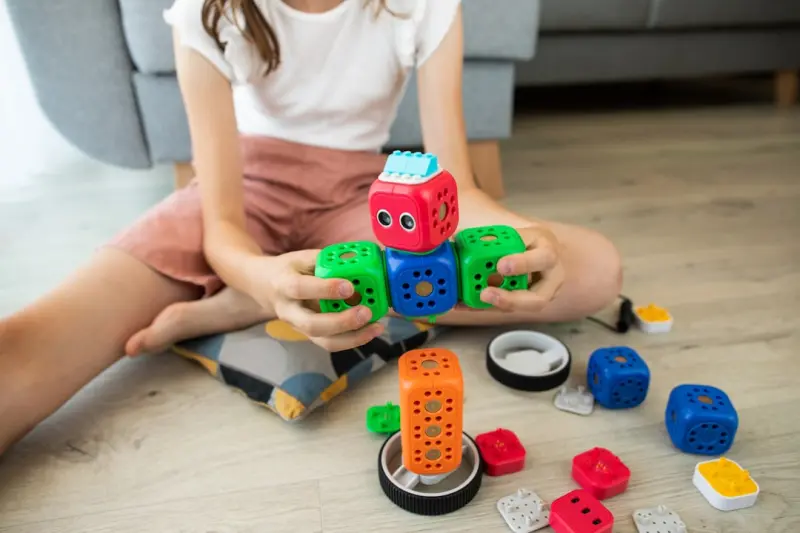
When I first held a plush rabbit that could answer “What’s your favorite color?” with a giggly voice, I felt a mix of awe and unease. The toy was marketed as a “learning companion,” promising endless curiosity‑fueling conversations. Yet, underneath the soft fur and bright eyes, a microphone was constantly listening, a tiny processor was crunching data, and a cloud server somewhere was cataloguing every squeal, every whispered secret. This is the new frontier of parental anxiety: devices that masquerade as innocent playthings while quietly building detailed profiles of our children.
Why the “smart” in smart toys feels less like a benefit and more like a silent intrusion
Every year, manufacturers roll out a fresh wave of connected gadgets for kids—interactive dolls, voice‑activated puzzles, AR‑enhanced storybooks. The hype focuses on educational outcomes: better language skills, improved problem‑solving, personalized feedback. What’s rarely advertised is the data pipeline that makes these promises possible.
- Always‑on microphones: Even when a toy is idle, many devices keep their listening components powered. This means they can capture ambient conversation, not just the moments a child actively engages.
- Location tracking: Some toys pair with smartphones via Bluetooth, inheriting the phone’s GPS data. A simple “find my teddy” request can inadvertently reveal a child’s home address and daily routes.
- Behavioral profiling: By analyzing voice tone, response time, and interaction frequency, companies build nuanced models of a child’s interests, moods, and even developmental milestones.
All of this data ends up in a cloud repository, often under vague “terms of service” that most parents never read. The result? A digital silhouette of a child that can be monetized, sold, or, worse, weaponized in ways we’re only beginning to comprehend.
From curiosity to manipulation: the slippery slope of targeted advertising
Imagine your nine‑year‑old asking a smart robot, “What game should I play?” The robot suggests a free‑to‑play app that, after a few minutes, starts bombarding the screen with in‑app purchases. The recommendation isn’t random; it’s based on the child’s previous interactions, favorite colors, and even the time of day they tend to play.
Because the toy knows what your child likes, it can subtly steer them toward products that generate revenue for the manufacturer. This isn’t a hypothetical scenario; it’s already happening in the realm of child‑focused streaming services that auto‑play videos designed to maximize watch time. The difference now is that the recommendation engine can be embedded directly into a child’s bedroom.
Privacy laws are playing catch‑up, but they’re still a mile behind the technology
Regulatory frameworks such as COPPA in the United States or Canada’s PIPEDA set baseline requirements for collecting data from minors. However, these statutes often rely on “notice and consent” models that assume parents can fully understand the implications of a line of text hidden in a lengthy agreement.
Furthermore, many smart toys are manufactured overseas and shipped globally, creating jurisdictional gaps. A device sold in Canada might route its data through servers in a country with lax privacy protections, effectively sidestepping local regulations.
For families trying to navigate these murky waters, the reality is that compliance does not automatically translate to safety. Companies can technically meet legal standards while still engaging in practices that feel invasive to a parent who just wants to protect their child’s imagination.
What the research community is saying about the psychological impact
Recent studies in developmental psychology suggest that constant exposure to responsive, AI‑driven toys can alter a child’s expectations of social interaction. When a plush rabbit offers instant, perfectly timed answers, a child may begin to favor predictable, algorithmic responses over the messier, more nuanced feedback from real human relationships.
Moreover, the “always‑on” nature of these devices can blur the line between play and surveillance. Children may internalize the idea that it’s normal for someone—or something—to be watching them at all times, potentially diminishing their sense of privacy and autonomy as they grow older.
Practical steps for parents who refuse to surrender the reins
While the tech landscape evolves faster than any legislation, there are concrete actions you can take today to safeguard your child’s digital footprint:
- Audit your household’s smart devices. Make a list of every connected toy, speaker, or wearable. Check the manufacturer’s privacy policy for data retention practices.
- Disable unnecessary features. Many toys allow you to turn off voice recording or limit internet connectivity via a simple toggle or by placing them in airplane mode.
- Use a separate network. Set up a guest Wi‑Fi network exclusively for children’s devices. This isolates them from the main household network and limits cross‑device data sharing.
- Teach digital literacy early. Explain to your child that not everything that talks back is a friend. Encourage them to ask questions about why a toy needs to “listen.”
- Stay informed. Follow reputable tech‑privacy newsletters and join parent‑focused forums where experiences with specific products are shared openly.
These steps won’t make the data collection disappear, but they empower you to make intentional choices about what you allow into your home.
Looking ahead: the role of industry accountability and consumer advocacy
The onus can’t rest solely on parents. Companies must adopt transparent data practices and design products with privacy‑by‑design principles. This includes:
- Providing clear, child‑friendly explanations of what data is collected and why.
- Offering easy, permanent opt‑out mechanisms that don’t require navigating a labyrinth of settings.
- Limiting data retention to the minimum period needed for the toy’s core functionality.
- Undergoing third‑party audits to verify compliance with the highest privacy standards.
Consumer pressure can accelerate these changes. When parents collectively demand stricter privacy controls, manufacturers are forced to respond—or risk losing market share. In parallel, advocacy groups are lobbying for more robust regulations that address the unique challenges posed by AI‑enabled children’s products.
Connecting the dots: why broader societal trends matter for your living room
Understanding the privacy implications of smart toys requires a broader lens. The same data‑driven tactics that fuel targeted political messaging—explored in the fight against election disinformation—are now being repurposed for commercial gain in the children’s market. The algorithms that shape public opinion can also shape a child’s consumer habits.
Similarly, the push for local climate initiatives underscores the importance of community‑level action. Just as municipalities can band together to demand cleaner air, families can form networks to demand higher privacy standards for kids’ tech.
When we connect these threads—privacy, data ethics, community advocacy—we see a clear picture: protecting our children’s digital lives is not an isolated task but part of a larger societal responsibility.
Conclusion: reclaiming the wonder of play without the hidden eyes
Smart toys have the potential to enrich learning, spark imagination, and bridge gaps when families are apart. But that promise must not come at the cost of turning every giggle into a data point.
As parents, educators, and technologists, we have the power to shape a future where children can enjoy the magic of interactive play without the invisible surveillance that follows them home. By staying vigilant, demanding transparency, and championing privacy‑first design, we can ensure that the next generation’s playground remains a place of wonder—not a data mine.

Related Posts

Parental Warning: When AI Becomes the Child’s Classroom Companion
AI-driven apps promise instant help for kids, but they can erode critical thinking, harvest data, an... Read More

A Cautionary Note for Parents: Navigating Data, Screens, and Hidden Influences
A deep dive into the hidden data collection of connected toys, algorithmic persuasion in kids’ med... Read More

Hidden Tech Threats Lurking in Kids’ Playtime
A deep dive into the covert tech risks hidden in today’s children’s playtime, revealing how AI, ... Read More
Top Posts

Beyond the Tourist Trail: Crafting Purposeful Volunteer Adventures
I’ve swapped typical sightseeing for hands‑on heritage projects, proving that travel can be both adventurous and meaningful—here’s my guide to purposefu...Read More

From Fields to Experiences: How Canadian Farmers Are Turning Their Land into Destination Adventures
Explore the rise of agri‑tourism in Canada, where farms become immersive destinations offering hands‑on experiences, sustainable practices, and new revenue ...Read More

Unpacking the Hidden Costs That Inflate Everyday Living
Explore the silent budget busters—subscriptions, food waste, and hidden energy costs—and get actionable tips to reclaim control over your everyday expenses....Read More

Step Back in Time: Your Invitation to the Roaring ‘20s Garden Party at Spadina Museum
Are you ready to trade the mundane for the magnificent? To swap your screen for a scene straight out of F. Scott Fitzgerald? Prepare to be whisked away to an er...Read More
0 Comments
Post Comment
You will need to Login or Register to comment on this post!