
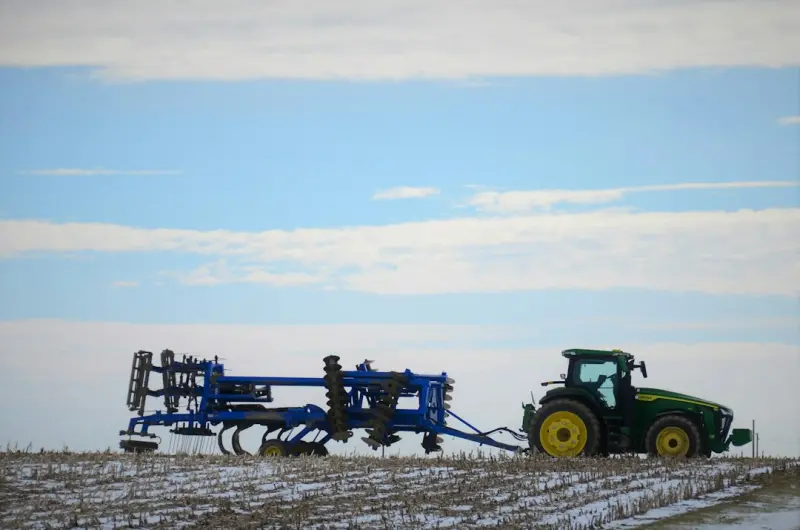
When the frost lifts and the sunrise paints the fields gold, most of us think of the physical labor that defines farm life. Yet beneath the soil, a quieter storm often brews—one that no plow can turn over. Over the past few seasons, a growing chorus of Canadian growers have begun to speak openly about mental health, reshaping the narrative of what it means to be a farmer in today’s world. This isn’t a fleeting trend; it’s a cultural shift rooted in community, technology, and a renewed understanding of resilience.
The Silent Harvest: Why Farmer Mental Health Matters
Statistics from agricultural health agencies consistently show that farmers experience higher rates of anxiety, depression, and suicide than the general population. The culprits are well‑known: unpredictable weather, market volatility, isolation, and the physical toll of long hours. But the impact extends beyond the individual. A farmer’s mental state influences decision‑making, safety protocols, and the overall vitality of rural economies.
In many ways, mental health is the “soil” of a farm’s productivity. When it’s rich and well‑maintained, crops thrive; when it’s depleted, everything suffers. Recognizing this, a wave of initiatives is emerging across the Prairies, Atlantic provinces, and the interior of British Columbia, each aiming to nurture the well‑being of those who feed the nation.
From Stigma to Solidarity: The Role of Peer Networks
Historically, farm families have relied on informal, inter‑generational advice to navigate hardships. Today, that tradition is evolving into structured peer‑support groups that meet in community halls, virtual coffee rooms, and even via radio call‑ins. These gatherings do three things:
- Normalize conversation—Sharing stories breaks the myth that “real farmers” never show vulnerability.
- Provide practical coping tools—Members exchange techniques ranging from mindfulness exercises to time‑management hacks tailored to seasonal cycles.
- Foster accountability—When a neighbor checks in, it creates a safety net that can catch someone before a crisis escalates.
One notable example is the Rural Resilience Circle in Saskatchewan, which operates on a rotating “farm‑host” model. Each month, a different farm opens its doors for a potluck dinner, followed by an open forum. The simple act of sharing a home‑cooked meal—often featuring locally sourced produce—creates a sense of belonging that statistics alone can’t capture.
Tech‑Enabled Care: From Tele‑Health to Data‑Driven Support
While face‑to‑face interaction remains vital, digital tools are bridging the gap for farmers in remote corners of the country. Tele‑health platforms now offer video sessions with psychologists who specialize in agricultural stressors. Some services even integrate with farm management software, allowing a farmer to schedule a “mental health check‑in” alongside planting reminders.
Data, when handled responsibly, can also be a force for good. A recent conversation about a National Data Trust sparked ideas about a secure, anonymized repository of farmer wellness metrics. Imagine a system where aggregated data on stress levels, sleep patterns, and seasonal workload can inform public‑policy decisions without exposing any individual farmer’s identity.
In practice, a pilot program in Nova Scotia is testing an app that prompts users to log mood snapshots after key farming events—such as a successful harvest or a frost loss. The app then offers tailored resources: breathing exercises after a storm warning, or community‑forum links after a market price dip. Early feedback shows a 30% increase in self‑reported coping confidence among participants.
Learning From Other Sectors: Cross‑Pollination of Wellness Models
Canadian innovators in other fields have pioneered mental‑health frameworks that can be adapted for agriculture. For instance, the Community Health Hubs concept blends primary care, social services, and preventive programs under one roof. Translating this model to rural settings could mean establishing “Farm Wellness Hubs” that co‑locate veterinary services, agronomy advice, and mental‑health counseling.
These hubs would also serve as data‑exchange points, allowing farmers to opt into community‑wide surveys that map stress hotspots across regions. The insight gained could guide targeted outreach, such as mobile counseling units during peak planting seasons.
Financial Incentives: Making Mental‑Health Investment Viable
One barrier to adopting wellness programs has been cost. However, a growing number of insurers and government grant programs now recognize mental health as a component of overall farm risk management. For example:
- Insurance discounts for farms that implement certified stress‑reduction training for staff.
- Provincial grants that fund the establishment of rural wellness hubs, covering equipment and staffing for the first three years.
- Tax credits for expenses related to tele‑health subscriptions and mental‑health workshops.
These financial levers are turning what once seemed like “nice‑to‑have” services into strategic investments that protect both the farmer’s health and the bottom line.
Indigenous Knowledge: A Holistic Lens on Well‑Being
Indigenous farming practices have long emphasized a harmonious relationship between land, community, and spirit. Recent collaborations between First Nations agricultural cooperatives and non‑Indigenous farms are weaving traditional wellness concepts—such as seasonal ceremonies and land‑based healing—into modern farm life.
One partnership in northern Ontario hosts an annual “Harvest Healing Circle,” where participants engage in guided walks, storytelling, and drumming sessions on the fields they tend. The event not only honors cultural heritage but also demonstrates how rituals can anchor mental health in the rhythm of the land.
Policy Recommendations: Building a National Framework
To sustain this momentum, several policy shifts are essential:
- Standardize mental‑health training as part of agricultural certification programs, ensuring every new farmer receives baseline tools.
- Allocate dedicated funding for rural wellness hubs, modeled after successful community‑health pilots.
- Incentivize data sharing through secure, anonymized platforms that respect privacy while informing public health initiatives.
- Support research on the economic impact of farmer mental‑health interventions, creating a clear business case for stakeholders.
When these measures align, the agricultural sector can move from reactive crisis management to proactive, preventative care.
Stories From the Field: Voices of Change
Below are three brief testimonies that illustrate the tangible impact of these emerging practices.
- Marie, a dairy farmer in Quebec shares, “I used to think asking for help meant I was weak. After joining a peer‑support circle, I realized we’re all in the same boat. The simple act of listening changed my outlook.”
- David, a wheat grower in Alberta recounts, “The tele‑health app reminded me to pause after the first frost hit. The guided breathing exercise saved me from a panic attack and helped me make clearer decisions about crop insurance.”
- Lena, a mixed‑farm operator in New Brunswick notes, “Our community hub now has a counselor who visits once a month. It feels like the clinic finally understands the unique pressures we face on the farm.”
Looking Ahead: A Future Where Wellness Is as Essential as Soil
The next decade will likely see mental health woven into every facet of farm management—from budgeting software that flags stress indicators to community events that celebrate emotional resilience as much as harvest yields. When wellness is treated as a core input, farms become not just productive enterprises but thriving ecosystems of people, place, and purpose.
As we sow these new ideas across the Canadian landscape, the hope is simple: that every farmer, whether on a sprawling prairie or a modest family plot, can cultivate calm alongside corn, and that the fields they tend are nourished by both healthy soil and healthy minds.

Related Posts

Cultivating Resilience: A Farmer’s Journey into Regenerative Agriculture
A first‑hand look at how one Canadian farmer is transforming acreage into a living laboratory of r... Read More
The Heart of Canadian Agriculture: A Farmer's Perspective
Canadian farmers are the backbone of our food system, producing high-quality products that end up on... Read More
Powering the Fields: How On‑Farm Renewable Energy is Transforming Canadian Agriculture
Canadian farmers are harnessing solar panels, wind turbines, and biogas systems to lower expenses, l... Read More
Top Posts

The Remote Mediation Revolution: How Virtual Negotiations Are Redefining Family Law
Remote mediation is reshaping family law, offering faster, more inclusive resolutions. Discover the legal framework, tech tools, and practical tips for lawyers ...Read More
How Canadian Farmers Are Turning Data Into Soil Superpowers
Canadian farmers are embracing data-driven regenerative agriculture, using sensors, drones, and digital cooperatives to improve soil health, reduce inputs, and ...Read More

Why Your Restaurant Table Choice Matters More Than the Food
Explore the hidden science behind restaurant table placement, from psychological cues to tech‑driven strategies, and learn how both diners and owners can bene...Read More

Regenerative Tourism: Turning Trips Into Tangible Impact
Regenerative tourism goes beyond sustainability, inviting travelers to actively restore ecosystems and empower local economies. Learn the blueprint, technology ...Read More
0 Comments
Post Comment
You will need to Login or Register to comment on this post!