

Why Tariffs Matter Beyond the Headlines
When I first noticed my coffee beans costing a fraction more than usual, I dismissed it as a seasonal hike; little did I realize I was feeling the subtle push of a new tariff policy. Tariffs are not just trade‑government jargon—they are everyday price signals that ripple through the products we trust, from the sneakers on our doorstep to the groceries in our fridge. As a consumer who loves to decode the hidden economics behind daily choices, I’ve learned that each tariff is a tiny lever, quietly adjusting our wallets, our local businesses, and even our sense of national identity.
The Historical Pulse of Canadian Tariffs
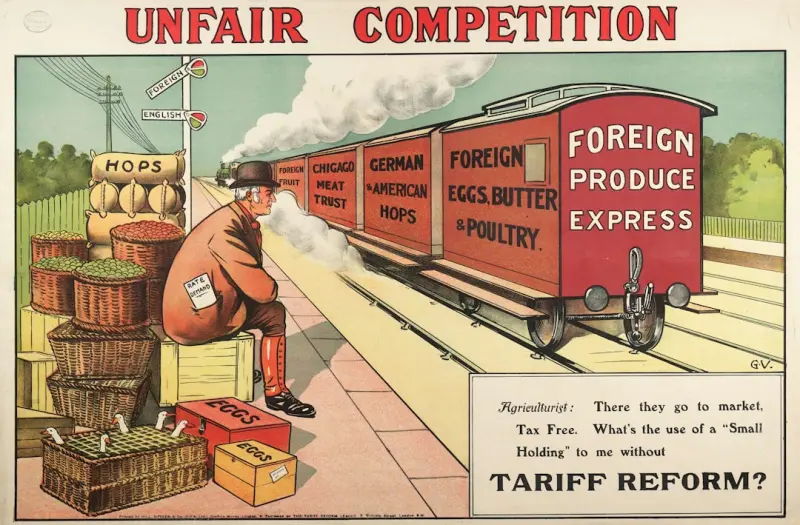
Canada’s tariff story dates back to the early days of Confederation, when protective duties were used to shield fledgling industries from overwhelming foreign competition. Over the decades, the pendulum swung between free‑trade optimism and strategic protectionism, each shift leaving a distinct imprint on our manufacturing landscape. Understanding this lineage is crucial because the same policy tools that once nurtured a steel mill can now influence the price of a smartphone, reminding us that history isn’t a static museum—it’s a living framework that shapes current market realities.
Tech Gadgets: The Silent Price Tag
Imagine ordering the latest tablet from a cross‑border retailer, only to see a surprise surcharge appear at checkout; that extra cost is often a tariff disguised as a “customs duty.” For tech enthusiasts, this means the sleek devices we covet are subject to geopolitical bargaining chips, turning a simple upgrade into a budgetary decision. I’ve found that tracking tariff announcements from trade agreements can save me up to 15 % on high‑end electronics, turning a potential expense into a strategic purchase rather than an unavoidable loss.
Food Imports: When the Grocery Aisle Becomes a Policy Canvas
The price of imported avocados, olive oil, or specialty cheeses can fluctuate not just because of harvest yields but also due to tariff adjustments that governments employ to support domestic agriculture. A modest 5 % duty on certain fruit imports may seem negligible, yet when multiplied across millions of units, it reshapes the shelf‑life economics for both retailers and shoppers. I’ve started comparing the cost of locally sourced produce versus tariff‑impacted imports, discovering that sometimes the “import premium” is more about policy than provenance.
Small Business Supply Chains and the Hidden Cost of Tariffs
For the boutique designers and indie creators who power our creative economy, tariffs can feel like an invisible tax that erodes profit margins before the first sale is even made. When a local artisan orders fabric from overseas, a sudden duty can add $2‑$3 per yard, forcing a price hike that may alienate loyal customers. This is where legal literacy for freelancers becomes a game‑changer: understanding the nuances of trade classifications empowers small entrepreneurs to negotiate better terms, seek duty‑drawback programs, or even source alternative materials that keep their brand ethos intact.
Green Tech and Tariffs: A Double‑Edged Sword
Tariffs on renewable‑energy components present a paradox: while protecting domestic manufacturers, they can also inflate the cost of clean‑technology adoption for businesses aiming to go green. I recently spoke with a farmer who wanted to install solar panels but faced a 7 % duty on imported inverters, nudging the project’s ROI beyond comfort. By exploring the insights shared in renewable energy on farms, I learned that strategic lobbying and regional trade exemptions can mitigate these barriers, turning tariff challenges into opportunities for localized innovation.
Consumer Behavior: How Tariffs Shape Our Buying Choices
When tariffs subtly raise prices, many shoppers instinctively shift toward domestically produced alternatives, inadvertently boosting local economies. This behavioral pivot is evident in the surge of Canadian‑made apparel after recent duties on certain imported textiles. Yet the opposite can happen when tariffs raise the cost of sustainable goods, prompting a fallback to cheaper, less eco‑friendly options. By staying aware of tariff trends, we can make conscious decisions that align with both our budgets and values, turning a policy shock into a catalyst for smarter consumption.
Advocacy and Action: Turning Awareness Into Influence
Feeling powerless against sweeping trade policies is a common sentiment, but collective voices can reshape the narrative. Engaging with community groups, writing to local representatives, and participating in public consultations are practical steps that amplify consumer concerns. For those navigating the broader implications of digital work, the guide on navigate the legal labyrinth of AI and remote work offers a roadmap to align emerging tech regulations with fair trade practices, ensuring that the next wave of policy considers both innovation and equitable market access.
Conclusion: Embracing Tariffs as a Tool for Informed Living
Tariffs may appear as distant, bureaucratic edicts, but they ripple through the fabric of our daily lives, influencing everything from the tech we hold to the food we savor. By demystifying these mechanisms, we empower ourselves to anticipate price shifts, support local creators, and advocate for balanced trade that reflects our societal priorities. The next time you see a modest price increase, pause and ask: is this a market fluctuation, or is a tariff at work? That simple question can transform passive spending into an act of informed, purposeful participation in Canada’s economic story.

Related Posts
When Tariffs Turn Into Everyday Price Tags: A Personal Look at Hidden Costs
A personal dive into the ripple effects of tariffs on everyday purchases, from local artisans to dig... Read More

Tariffs Unpacked: How Hidden Duties Shape Your Daily Purchases
Explore the invisible tax of tariffs, how they affect everyday purchases, and what you can do to pro... Read More

Tariffs Unpacked: A SaaS Founder’s Playbook for Global Trade Barriers
A deep dive into how B2B SaaS companies can navigate and thrive amid rising global tariffs, with act... Read More
Top Posts

The Hidden Power of Employee Advocacy: Turning Your Team into Brand Ambassadors
Learn how turning employees into genuine brand ambassadors can amplify trust, expand reach, and fuel growth, all while fostering a vibrant internal culture....Read More

AI‑Powered Medication Adherence: A New Chapter for Canadian Pharmacies
Megan Morris examines how AI-driven reminder systems, interoperable health data, and patient‑centred design are transforming medication adherence in Canada, o...Read More

The Secret Sauce of Data-Driven Ghost Kitchens: How Restaurants Are Reimagining the Kitchen in the Cloud
Ghost kitchens are redefining the restaurant model by pairing delivery‑only operations with real‑time analytics, dynamic menus, and multi‑brand efficiency...Read More

Pharmacist‑Led Clinics: A New Frontier for Canadian Primary Care
Pharmacist‑led clinics are redefining primary care in Canada, offering faster access, lower costs, and integrated health services, especially in underserved r...Read More
0 Comments
Post Comment
You will need to Login or Register to comment on this post!