
Why My Wristwatch Became My Health Coach (And Why It Should Be Yours Too)
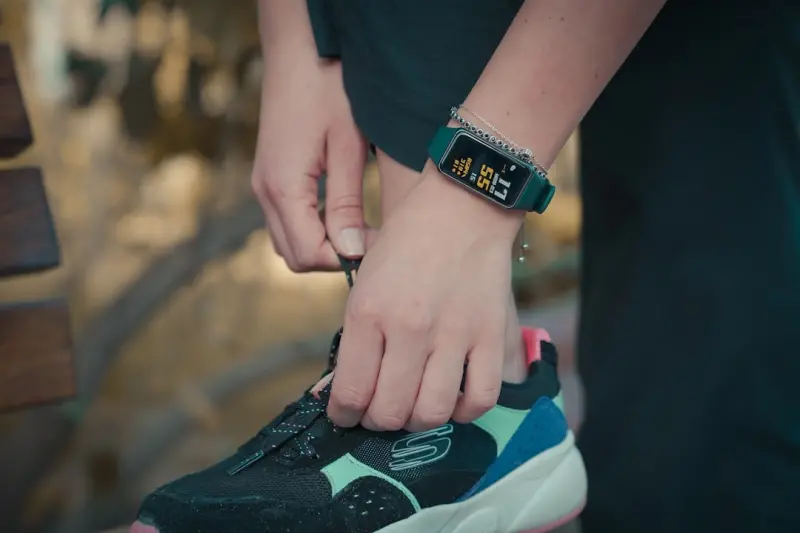
When I first slipped a sleek, glowing band onto my wrist, I thought it was just another gadget—an excuse to check the time without pulling out my phone. Six months later, that same band has become the most honest, data‑driven therapist I’ve ever had. It nudges me to stand, reminds me to breathe, predicts when I might be heading for a cold, and even suggests the kind of salad that will keep my blood sugar steady. This isn’t a sci‑fi fantasy; it’s the reality of personal data‑driven wellness that’s quietly reshaping how we think about health.
The Data Deluge: From “Steps” to “Signals”
Remember the early days of fitness trackers, when the only bragging rights came from hitting 10,000 steps? Those numbers were nice, but they told us almost nothing about what our bodies were actually doing. Today’s wearables capture a symphony of signals: heart‑rate variability (HRV), blood‑oxygen saturation, skin temperature, even subtle changes in gait that can hint at joint inflammation. When you combine that with the continuous glucose monitors (CGMs) that have slipped from diabetic care into the mainstream, you have a real‑time health dashboard that rivals what a doctor might see during a visit.
It’s tempting to think that more data equals better health, but the truth is that raw numbers are only as useful as the insights we extract. That’s where the next layer of technology—machine learning algorithms that spot patterns and predict outcomes—steps in. Think of it as having a silent partner who watches, learns, and whispers actionable advice before you even feel the need for it.
Wearables Evolution: From Passive Recorders to Active Coaches
My first wearable could only tell me I’d taken 4,800 steps by noon. The latest version not only tracks steps but also detects when I’m entering a “stress zone” based on rising HRV and a dip in skin temperature. It then launches a guided breathing session right on my wrist. The moment the session ends, the device records how my HRV rebounds and adjusts the next recommendation accordingly.
- Proactive alerts: A sudden spike in resting heart rate? The device suggests a hydration break.
- Sleep staging: By monitoring movement and heart rate, it tells me whether I spent enough deep sleep, and if not, it suggests a bedtime routine tweak.
- Nutrition timing: Integrated with my CGM, it warns me when my blood sugar is trending high before I even think about lunch.
All of this happens without me opening an app. The device learns my patterns, predicts my needs, and nudges me gently. It’s the difference between being a passive observer of your health and having an active coach who tailors advice to your unique physiology.
Closing the Biofeedback Loop: When Your Body Becomes a Conversation Partner
Biofeedback isn’t new—it’s been used in physical therapy for decades. What’s new is the ubiquity of the sensors that make it possible. My smartwatch detects a subtle rise in skin temperature that often precedes a migraine. Within minutes, it offers a short meditation, dims the screen brightness, and reminds me to dim the lights in my office. By the time the migraine would have hit, I’ve already defused it.
These tiny interventions accumulate. Over a year, I’ve avoided dozens of “low‑grade” illnesses that would have otherwise taken me out of work for a day or two each. The financial impact is measurable: fewer sick days, lower healthcare bills, and a higher overall productivity rating at work. In other words, the biofeedback loop translates directly into a healthier bottom line.
Community‑Powered Health Networks: The Social Side of Personal Data
Data feels personal, but its power multiplies when shared responsibly. In Canada, a growing movement of community‑powered health networks is allowing individuals to opt‑in to anonymous data pools that help local clinicians spot emerging health trends. Imagine a neighbourhood where the average resting heart rate nudges upward—public health officials can intervene early with targeted outreach, fitness programs, or even temporary air‑quality alerts.
These networks also foster peer support. When I logged a week of low HRV, a notification popped up: “Your neighbor Jane just completed a 10‑minute mindfulness session. Want to join?” Suddenly, a solitary wellness habit becomes a shared experience, increasing adherence and reinforcing the habit loop.
Home Environment: The Overlooked Pillar of Wellness
While wearables tell me what my body is doing, my home tells me why. Modern houses are becoming smarter, greener habitats equipped with sensors that monitor indoor air quality, humidity, and even VOC (volatile organic compounds) levels. When the system detects a rise in indoor pollutants, it automatically adjusts ventilation, alerts me via my wrist device, and even suggests opening a window at the optimal time for fresh air without sacrificing energy efficiency.
The synergy is remarkable: my smartwatch notices my breathing depth is shallow during a high‑pollution episode, and the home system responds by increasing fresh‑air intake. It’s a two‑way conversation that keeps my lungs happy and my immune system less taxed.
AI‑Driven Health Insights: Turning Numbers Into Narrative
All this data—steps, HRV, glucose, air quality—can be overwhelming. That’s where artificial intelligence steps in. Companies are repurposing the same models that power AI‑driven memory capsules to create personal health narratives. Instead of a spreadsheet of numbers, I receive a weekly “Health Story” that highlights trends, celebrates wins (e.g., “Your average sleep efficiency improved by 5%”), and flags concerns with clear, actionable next steps.
These narratives are not generic. The AI learns my language preferences, the type of advice I respond to, and the times of day I’m most likely to act. It might say, “You tend to skip lunch on Tuesdays, leading to a mid‑afternoon glucose dip. Try a protein‑rich snack at 2 p.m.” It’s coaching that feels tailor‑made, because it is.
Practical Steps to Jumpstart Your Data‑Driven Wellness Journey
If the idea of becoming a walking data hub feels daunting, start small. Here’s a roadmap that helped me transition from “just a step counter” to a full‑blown health ecosystem:
- Pick a wearable that offers more than steps. Look for HRV, SpO₂, and stress monitoring.
- Integrate a CGM if you’re comfortable. Even intermittent glucose data can reveal hidden food sensitivities.
- Sync with your home’s smart system. Enable indoor air quality sensors and let them share data with your wearable.
- Join a community health platform. Opt‑in to anonymous data sharing for broader insights.
- Set micro‑goals. Instead of “exercise more,” aim for “maintain HRV above 70 ms for three consecutive days.”
- Review your weekly health narrative. Let AI summarise your data and suggest adjustments.
Consistency beats intensity. A modest, data‑backed habit that you stick to for months trumps an aggressive regimen that fizzles after a week.
The Future: From Reactive to Predictive Health
We stand at the cusp of a paradigm shift. In the near future, wearables will not only predict a cold but also automatically order a probiotic supplement, schedule a telehealth check‑in, and adjust home humidity to optimal levels—all before you feel a symptom. The line between “personal health” and “environmental health” will blur, creating a holistic ecosystem where your body, your home, and your community work in concert.
For businesses, this opens new frontiers: health‑focused SaaS platforms that aggregate anonymized data to power public health dashboards, insurers that reward proactive wellness habits, and employers that integrate biofeedback into employee wellbeing programs. The ripple effects will be felt across the economy, but the core remains simple—empower individuals with real‑time, actionable insight.
Conclusion: Embrace the Conversation
Health used to be a series of isolated events—doctor visits, occasional lab tests, and the occasional “I feel off” moment. Today, thanks to wearable tech, smart homes, community data pools, and AI narrative engines, health is an ongoing conversation. It’s a dialogue where your body speaks, your environment listens, and the digital layer translates everything into practical steps.
If you’re still skeptical, remember that the most profound changes often start with a single, seemingly insignificant habit. My first step was simply wearing a watch. Your next step might be as easy as enabling a new sensor. Listen to the data, act on the insights, and you’ll discover a version of yourself that feels more resilient, more energetic, and more in tune with the world around you.

Related Posts

Screen-Free Sunrise: How Dropping Devices Boost Your Health
A screen‑free sunrise can reset your hormones, sharpen focus, and enhance well‑being. Follow pra... Read More

How Your Gut’s Hidden Conversation Shapes Everyday Health
Explore the gut‑brain connection and learn simple, science‑backed habits—from food to sleep an... Read More

Embracing Forest Bathing: A Modern Path to Natural Wellness
Explore the science and simple steps behind forest bathing, a nature‑based practice that reduces s... Read More
Top Posts

Ontario’s Hidden River Gems: A Modern Angler’s Guide
Discover Ontario’s secret river hotspots, how climate‑smart stewardship and rural broadband are reshaping fishing, and practical tips for the modern angler....Read More

Why Remote‑First Work Policies Are Reshaping Canadian Employment Law
Remote‑first work is more than a perk; it’s a legal transformation. This article breaks down jurisdictional challenges, health‑and‑safety duties, privac...Read More

From Rural Roads to Cloud Corridors: How SaaS Is Redefining National Service Delivery
A deep dive into how SaaS tools are transforming public services across Canada—from remote towns to bustling cities—by enhancing equity, transparency, and n...Read More

Where to Go Glamping in Ontario: Unleash Your Inner Glamper
Ontario, with its vast landscapes, shimmering lakes, and lush forests, is a nature lover's paradise. But what if you could experience all that beauty without sa...Read More
0 Comments
Post Comment
You will need to Login or Register to comment on this post!