
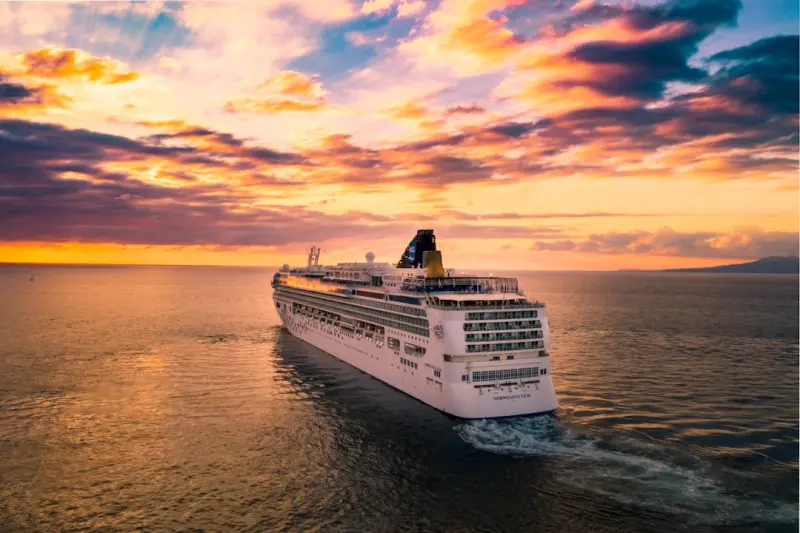
Why AI‑Driven Personalization Is the Next Frontier for Cruises and Bus Tours
When I first stepped aboard a modern cruise ship a decade ago, I was dazzled by the endless buffet, the glittering deck shows, and the promise of “everything you want, whenever you want.” Fast forward to today, and the same promise feels hollow without the right data behind it. In the bus‑tour world, the stakes are similar: a scenic route can become a forgettable slog if the experience doesn’t feel tailored to each passenger.
Enter AI‑powered personalization. By merging real‑time analytics, predictive modeling, and a dash of human intuition, operators can now curate journeys that adapt on the fly—changing menus, entertainment, seating, and even itineraries based on who’s on board and what they’re craving at that moment.
The Data Engine Under the Deck
Every touchpoint on a cruise or bus tour generates data: RFID wristbands, mobile app interactions, onboard Wi‑Fi usage, point‑of‑sale transactions, and even biometric readings from health‑monitoring wearables. When you aggregate these signals, you get a 360° view of each guest’s preferences, habits, and mood.
What makes AI different from the old “rule‑based” personalization engines is its ability to learn and predict. Instead of saying “If a guest orders a steak, recommend a wine,” an AI model can infer that a guest who streams indie music, orders a vegan lunch, and spends an hour at the spa is likely to appreciate a sunset yoga session on the deck.
From Static Packages to Dynamic Journeys
Traditional cruise and bus packages are static: you book a cabin, a meal plan, and a set of shore excursions. AI flips that script by turning the itinerary into a living document. Imagine these scenarios:
- Real‑time dining swaps: A guest who just posted a photo of a tropical fruit smoothie on social media gets a notification that the chef just prepared a fresh mango sorbet, available for a limited time.
- Adaptive shore excursions: If weather forecasts predict rain on the scheduled beach stop, the system automatically suggests a nearby indoor museum, complete with a pre‑loaded audio guide in the guest’s preferred language.
- Seat‑level ambiance control: On a luxury bus, AI adjusts the cabin lighting, temperature, and even the scent diffuser based on the collective sentiment detected from passenger chats and facial expression analysis.
Turning Everyday Negotiations into Sustainable Savings for Your SaaS Business
While the focus here is on the travel experience, the same AI principles can streamline the negotiation strategies that underpin vendor contracts for cruise lines and tour operators. By feeding procurement data into the same predictive engine, operators can negotiate better rates for fuel, food, and entertainment—translating to lower ticket prices or higher margins.
Micro‑Deal Magic: Tiny Wins, Big Impact
Personalization isn’t just about big‑ticket upgrades. The micro‑deal tactics that pop up throughout a voyage can cumulatively boost revenue by up to 15%. Think of a 10% discount on a specialty cocktail that’s offered only to guests who have already ordered two drinks that evening—an impulse that feels exclusive and timely.
Building Trust Through Transparent AI
Privacy concerns are real, especially when you’re collecting biometric data. The key to guest acceptance is transparency. Operators should:
- Provide clear opt‑in prompts that explain the benefits (“Get personalized dining suggestions”).
- Allow guests to view and delete their data through the onboard app.
- Use edge‑computing on the ship or bus to process data locally, minimizing the need for cloud transmission and reducing latency.
When guests see that AI is enhancing—not invading—their experience, loyalty scores climb.
AI‑Enhanced Loyalty Programs
Traditional loyalty programs rely on point accumulation. AI can upgrade this to a behavior‑driven rewards system. For instance, a guest who consistently chooses eco‑friendly shore activities could unlock a “Green Voyager” badge, granting them priority access to future sustainable tours. This aligns perfectly with the growing demand for responsible travel, without rehashing the greener cruising initiatives we’ve already explored.
Gamification on the Move
Imagine a bus tour that doubles as an interactive game. As the vehicle traverses a historic district, an AI narrator prompts passengers to solve riddles related to landmarks. Correct answers earn points redeemable for on‑board perks—extra legroom, a complimentary snack, or a virtual souvenir. This gamified approach not only boosts engagement but also provides richer data for future personalization.
Challenges and Mitigation Strategies
Implementing AI isn’t a silver bullet. Operators face several hurdles:
- Data silos: Integrating legacy reservation systems with new AI platforms requires robust APIs.
- Real‑time processing: On a moving vessel, internet connectivity can be spotty. Edge computing and hybrid cloud models help keep latency low.
- Change management: Crew members need training to trust AI recommendations rather than relying solely on intuition.
By tackling these challenges head‑on, operators can unlock a competitive moat that’s hard for newcomers to replicate.
The Future: Hybrid Physical‑Virtual Tours
One of the most exciting frontiers is blending physical tours with immersive virtual experiences. A bus tour could pause at a UNESCO site, while passengers don AR glasses that overlay historical reconstructions onto the ruins. AI curates the overlay based on each passenger’s prior interests—some see the architectural evolution, others get a deep‑dive into the site’s ecological significance.
On cruises, AI can synchronize ship‑wide events with shore‑based live streams, letting guests attend a local festival virtually if weather or time constraints prevent a physical visit. This hybrid model extends the reach of a single itinerary, turning a week‑long cruise into a multi‑dimensional exploration.
Conclusion: Personalization as a Growth Engine
AI‑driven personalization isn’t just a nice‑to‑have; it’s fast becoming the primary growth engine for cruises and bus tours. By harnessing granular data, delivering real‑time, context‑aware experiences, and embedding transparent, ethical AI practices, operators can differentiate themselves in an increasingly crowded market.
For those of us who love the romance of the open sea and the rolling hills of a scenic road, the future looks brighter—and smarter—than ever. The next wave of travel isn’t about bigger ships or longer buses; it’s about making each journey feel like it was built just for you.

Related Posts
Seamless Adventures: Merging Cruise Luxury with Modern Bus Tours
A deep dive into the emerging hybrid travel model that blends the luxury of cruising with the flexib... Read More

Unlocking the Hidden Benefits of Cruise‑Bus Combo Journeys
Explore the unique advantages of pairing cruises with bus tours, from logistics and loyalty programs... Read More

Co‑Creating the Journey: How Passengers Are Shaping Modern Cruises & Bus Tours
Travelers now help design cruises and bus tours through voting platforms and real‑time polls, turn... Read More
Top Posts

Tariff‑Driven Latency: What SaaS Leaders Need to Know
Tariffs aren’t just trade talk—they’re quietly reshaping SaaS performance. Discover how hardware costs, edge deployments, and contract clauses influence l...Read More

Micro‑Community Mastery: Turning Niche Audiences into Brand Powerhouses
Learn why micro‑communities are the new marketing goldmine and how to build trust, scale, and monetize without losing authenticity....Read More

Why Canada’s National Broadband Push Is a Game‑Changer for SaaS Growth
Canada’s nationwide broadband upgrade isn’t just a public‑policy win—it’s a strategic lever for SaaS companies. This post explains how improved connec...Read More

Reimagining Canadian Healthcare: From Integrated Care to Green Hospitals
A deep dive into emerging Canadian healthcare trends, highlighting integrated care, telehealth, green hospitals, Indigenous partnerships, and the future role of...Read More
0 Comments
Post Comment
You will need to Login or Register to comment on this post!