
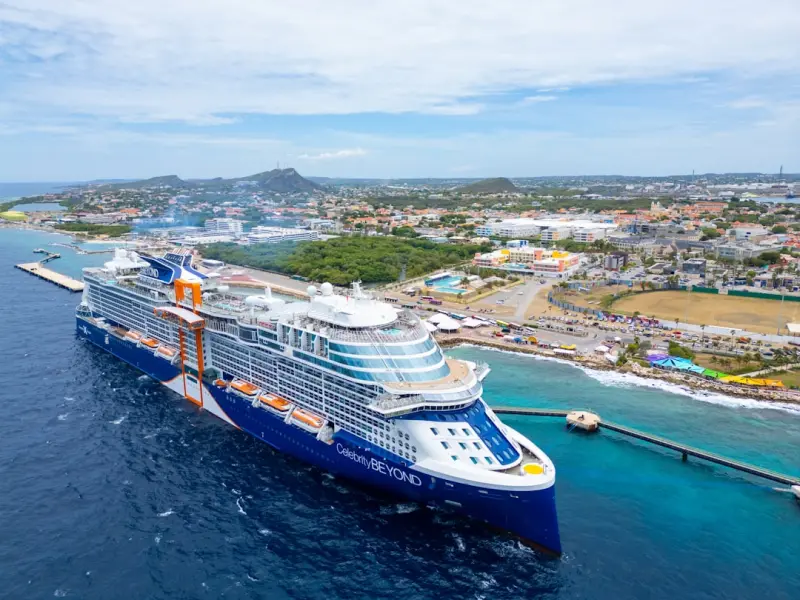
Why the Future of Travel Is a Seamless Blend of Cruising and Bus Touring
When I first booked a week‑long river cruise, I expected the usual cocktail‑hour sunsets and guided shore excursions. What I didn’t anticipate was the sudden urge to hop off the ship, catch a sleek electric coach, and continue exploring the same region without ever feeling “back on land.” That moment sparked an obsession: the hybrid journey—a travel experience that fluidly merges the luxury of cruising with the flexibility of modern bus tours.
The Gap That Traditional Travel Models Can’t Fill
For decades, travel agencies have marketed cruises as self‑contained vacations and bus tours as budget‑friendly land adventures. The two operate in parallel silos, each with its own booking platforms, itineraries, and customer expectations. This separation creates friction for the curious traveler who wants to:
- Wake up on a deck, sip coffee while the sunrise paints the horizon, then disembark for a day‑trip that reaches inland villages a few hundred kilometers away.
- Enjoy premium amenities (spa, fine dining, curated entertainment) while still having the freedom to explore off‑the‑beaten‑path destinations that a typical cruise port can’t accommodate.
- Reduce the carbon footprint by using greener ground transportation that seamlessly links with the ship’s own sustainability initiatives.
These unmet needs signal a market opportunity that forward‑thinking operators are beginning to explore.
How Technology Is Bridging Sea and Road
At the heart of this emerging model is a suite of digital tools that synchronize ship schedules, bus routes, and passenger preferences in real time. Imagine a mobile app that knows you’ll be docking at Halifax at 9 a.m., suggests a 30‑minute electric coach ride to a historic lighthouse, and lets you reserve a seat with a single tap—while also recommending a dinner reservation on the ship for the evening.
Behind the scenes, immersive storytelling technologies are being repurposed for travel. Instead of passive entertainment, passengers receive interactive narratives that evolve based on where they are. A family might follow a “pirate treasure” storyline that begins on the deck, continues through a coastal bus ride, and culminates at an archaeological site inland. The story adapts to each participant’s pace, turning a conventional itinerary into a personal adventure.
Powering the Hybrid Experience with Clean Energy
Sustainability is no longer a buzzword; it’s a baseline expectation for many travelers. Cruise lines have made strides with LNG‑powered vessels and solar‑assisted propulsion, but the ground leg often lags behind. This is where the expertise of renewable energy co‑ops becomes critical.
By partnering with regional solar cooperatives, cruise operators can source clean electricity for their shore‑side facilities and the electric buses that ferry guests inland. Some ports now feature solar canopies that charge fleets overnight, ensuring that the journey from ship to shore remains carbon‑light.
Beyond the obvious environmental benefits, the clean‑energy narrative adds a compelling storytelling layer. Passengers can see the solar panels, learn about local community initiatives, and feel part of a larger movement toward responsible tourism.
Designing a Cohesive Itinerary: The Art of Flow
Creating a hybrid cruise‑bus itinerary is akin to choreographing a dance. The goal is to maintain momentum without overwhelming the traveler. Here are three design principles that successful operators are adopting:
- Anchor Points – The ship serves as the primary anchor, offering consistent accommodations, dining, and social spaces. Each shore‑day includes one or two “anchor points” on land where the bus experience deepens the narrative (e.g., a vineyard tour, a cultural workshop).
- Time Buffering – Schedules incorporate generous buffers to account for weather, traffic, or spontaneous detours. This prevents the dreaded “missed connection” anxiety that can ruin a day.
- Feedback Loops – Real‑time passenger feedback (via the app) informs the next day’s plan. If a group loves a particular type of cuisine or activity, the system can suggest similar experiences for upcoming stops.
Case Study: The Atlantic Coast Expedition
One pioneering operator launched a 10‑day Atlantic Coast Expedition that blended a midsize cruise ship with a fleet of electric coaches. Highlights included:
- Day 1–2: Arrival in St. John’s, Newfoundland, where guests explored the historic downtown on foot before boarding the ship.
- Day 3: A sunrise sail to the rugged cliffs, followed by a short coach ride to a remote fishing village for a hands‑on lobster‑boiling workshop.
- Day 5: An immersive “time‑travel” narrative that used augmented reality headsets on the bus, letting passengers witness the 1800s shipbuilding process as they passed modern shipyards.
- Day 7: A solar‑powered charging station at the port enabled the bus fleet to recharge while guests enjoyed a rooftop yoga session on the ship.
- Day 10: The final evening featured a farewell gala where the story arc concluded, revealing a hidden “treasure” – a personalized photo book compiled from each traveler’s journey.
The expedition reported a 35 % increase in repeat bookings compared to traditional cruise offerings, proving that the hybrid model resonates with experience‑hungry travelers.
Economic Incentives for Operators
From a business perspective, blending cruises with bus tours unlocks several revenue streams:
- Dynamic Pricing: Ground experiences can be upsold as premium add‑ons, with pricing adjusted based on demand, weather, and occupancy.
- Cross‑Promotion: Local businesses (restaurants, artisans, adventure providers) gain exposure to a captive audience, while the operator earns commission.
- Extended Stay Packages: Travelers who fall in love with a region can extend their land adventure after the cruise ends, creating additional night‑stay revenue for partner hotels.
Moreover, the adoption of electric buses qualifies operators for government incentives and tax credits aimed at reducing transportation emissions, further improving the bottom line.
Challenges and How to Overcome Them
No innovation comes without obstacles. Below are common challenges and pragmatic solutions:
| Challenge | Solution |
|---|---|
| Coordination between maritime and road logistics | Invest in an integrated operations platform that syncs ship ETA with bus departure times, using AI to predict delays. |
| Passenger perception of complexity | Offer a single, intuitive booking experience that bundles sea and land components, and provide a dedicated concierge via the app. |
| Infrastructure gaps at smaller ports | Partner with local municipalities to develop micro‑charging stations and modest docking facilities for buses. |
| Maintaining brand consistency | Standardize service protocols across ship and bus staff, and train both teams on the shared storytelling narrative. |
The Role of Community and Local Culture
While the hybrid model leans heavily on technology, its soul lies in authentic cultural exchange. By routing buses through lesser‑known neighborhoods, travelers can engage with artisans, attend local festivals, and support economies that often sit off the typical cruise radar.
Operators can deepen this connection by involving community groups in the planning process—ensuring that tours are respectful, beneficial, and reflective of local pride. The result is a travel experience that feels less like a “tour” and more like a collaborative adventure.
Future Outlook: From Hybrid to Hyper‑Connected
Looking ahead, the line between sea and land travel may blur even further. Anticipated innovations include:
- Autonomous Shore Shuttles: Driverless electric buses that synchronize with ship schedules, reducing labor costs and enhancing safety.
- Biometric Boarding: Facial recognition that instantly verifies a passenger’s ticket across both ship and bus, eliminating the need for physical passes.
- Personalized Eco‑Credits: Real‑time tracking of carbon savings from choosing hybrid routes, which travelers can redeem for future experiences.
These trends suggest that the hybrid cruise‑bus model isn’t a niche experiment; it’s poised to become a cornerstone of modern tourism, especially as travelers demand flexibility, sustainability, and deep storytelling.
Getting Started: A Checklist for Travel Companies
If you’re a cruise line, a bus operator, or a destination marketing organization interested in entering this space, use the following checklist to kick‑start your journey:
- Assess Port Infrastructure: Identify ports with sufficient space for bus staging areas and potential for renewable energy installations.
- Choose Technology Partners: Look for platforms that offer real‑time scheduling, passenger data integration, and AR/VR storytelling capabilities.
- Develop Sustainable Partnerships: Engage with local solar co‑ops or other clean‑energy providers to power your ground fleet.
- Design Pilot Itineraries: Start with a short, high‑impact route (e.g., 3‑day cruise with two bus excursions) to test logistics and gather feedback.
- Train Staff on Narrative Delivery: Ensure that both ship and bus crew can convey the integrated story, turning every touchpoint into an immersive moment.
- Measure and Iterate: Track KPIs such as passenger satisfaction, carbon savings, and ancillary revenue, then refine the model accordingly.
By following these steps, you can position your brand at the forefront of a travel revolution that respects the planet, celebrates local cultures, and satisfies the modern wanderer’s craving for seamless, story‑rich journeys.
Conclusion: The Sea Meets the Road, and the Adventure Begins
The next wave of travel isn’t about choosing between a cruise or a bus tour; it’s about weaving the two together into a fluid tapestry of experiences. When done right, this hybrid approach delivers luxury, flexibility, sustainability, and storytelling—all the ingredients that today’s travelers demand.
As the industry embraces electric buses, immersive tech, and community‑centric planning, the possibilities are endless. The horizon is no longer a distant line on the ocean; it’s the next stop on a bus route that starts right on the deck of a ship.

Related Posts

Discovering the Hidden Gems of Canadian Summer Adventures
Discover Canada's hidden gems this summer, from unspoiled landscapes and pristine waters to cultural... Read More
Beyond the Horizon: Digital Storytelling Takes the Wheel on Cruises and Bus Tours
Travel is no longer just a route; it’s a living story. Discover how cruises and bus tours are usin... Read More
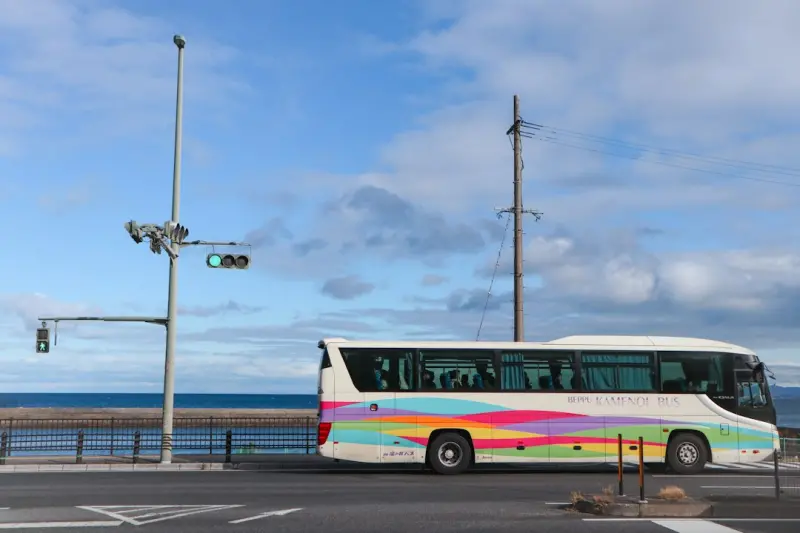
Why Storytelling Is the New Compass for Cruises and Bus Tours
A deep dive into the rise of story‑centric voyages, showing how cruises and bus tours are turning ... Read More
Top Posts

Tariff Turbulence: What B2B SaaS Leaders Need to Know
Tariffs are reshaping the SaaS landscape, driving up hardware costs and cloud pricing. This guide shows B2B SaaS leaders how to adapt pricing, negotiate vendor ...Read More

When Travel Becomes a Force for Regeneration: A New Playbook for Sustainable Exploration
Regenerative tourism goes beyond sustainability, focusing on active restoration of ecosystems, economies, and cultures. This guide outlines its pillars, real‑...Read More

Micro‑Cabin Living: Compact Comfort on Canada’s Wild Frontiers
A deep dive into the rise of micro‑cabins in Canada, covering site selection, design principles, off‑grid utilities, community co‑living, and future polic...Read More
Community Tables and Micro‑Restaurants: The Next Dining Wave
A fresh look at how shared‑table concepts, micro‑restaurant agility, and data‑powered guest personalization are creating a new, community‑focused era fo...Read More
0 Comments
Post Comment
You will need to Login or Register to comment on this post!