
Setting the Compass: Why Sustainability Must Be the North Star
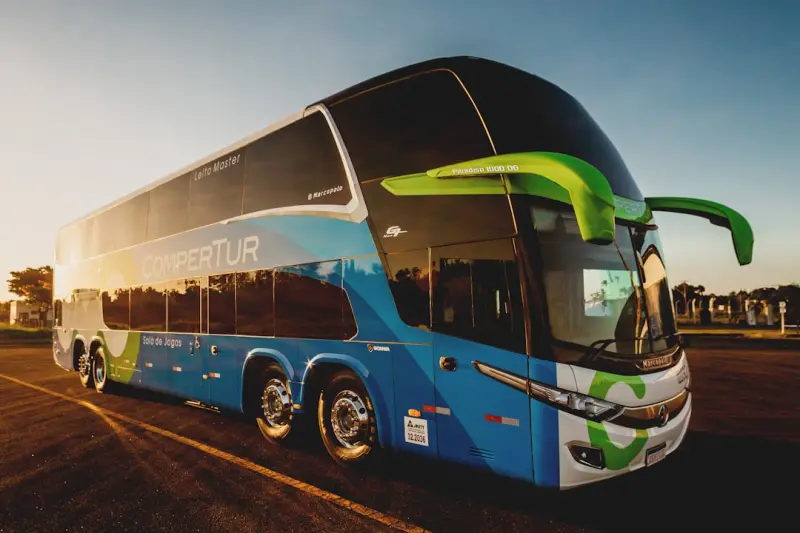
When I first stepped aboard a mid‑size cruise ship as a curious passenger, the sea breeze felt like a promise of endless horizons. A few weeks later, I rode a sleek, electric‑powered coach through the rolling vineyards of Ontario, and the silence of the motor was almost as striking as the scenery. Those two experiences—one on the water, the other on the road—taught me a simple truth: travelers are increasingly looking for journeys that leave a lighter footprint. The industry’s old playbook of “bigger, louder, cheaper” is losing its edge, and the new playbook is being written in carbon calculators, community partnerships, and data‑driven route design.
From Carbon Calculators to Real‑World Impact
It’s no longer enough to toss a vague “we care about the environment” line into a brochure. Modern travelers demand hard numbers. Cruise lines now publish per‑passenger emissions alongside itinerary details, while bus tour operators are showcasing fuel‑efficiency metrics for each vehicle. The first step is establishing a reliable baseline. Companies should invest in onboard monitoring systems that capture fuel burn, electricity usage, and even waste generation in real time. These data streams feed directly into carbon calculators that translate raw numbers into understandable CO₂ equivalents.
Once the baseline is set, the next move is to identify the low‑hanging fruit. For cruises, that could be switching to low‑sulfur fuel or installing scrubbers that strip harmful particulates from exhaust. For bus tours, the shift might be to hybrid or fully electric fleets, or to adopt aerodynamic retrofits that shave off a few percent of fuel consumption per mile—percentages that add up dramatically across thousands of trips each year.
Data‑Driven Route Optimization: The Quiet Engine Behind Savings
Route planning is an art, but it has become a science powered by sophisticated analytics. By layering weather patterns, sea currents, traffic congestion, and passenger demand forecasts, operators can carve out the most efficient paths. A well‑optimized cruise itinerary might take advantage of favorable currents, reducing engine load and fuel burn by up to 5 %. Bus tours can use dynamic routing algorithms to avoid peak‑hour snarls, cutting travel time and emissions alike.
Integrating these analytics with revenue systems is where the magic happens. The operational efficiencies for tour operators can be amplified when the finance team sees direct cost savings tied to sustainability initiatives. When a route tweak saves a vessel a ton of fuel, that translates instantly into lower operating expenses and higher margins—proof that green actions can be good business.
Leveraging Onboard Technology to Reduce Waste
Both cruise ships and long‑haul coaches are micro‑ecosystems. Waste streams—plastic packaging, food scraps, single‑use toiletries—have historically been a hidden cost. Today, smart sensors can weigh waste bins in real time, alerting crew members to adjust inventory orders and avoid over‑stocking. Some cruise lines have introduced “zero‑single‑use” policies, replacing plastic cutlery with biodegradable alternatives and installing refill stations for personal care products.
On buses, the solution can be even simpler: encouraging passengers to bring reusable water bottles and providing filtered water dispensers eliminates the need for single‑use plastic cups. When these measures are communicated transparently through onboard screens or mobile apps, passengers feel part of the solution rather than passive observers.
Community‑Centric Partnerships: Turning Stops into Positive Footprints
A cruise’s appeal often hinges on the allure of exotic ports, while bus tours thrive on the charm of local towns. Yet many itineraries have historically treated destinations as check‑boxes rather than partners. By forging genuine collaborations with local businesses, artisans, and conservation groups, operators can turn each stop into a mutually beneficial exchange.
Imagine a cruise that, instead of merely docking, sponsors a coral‑restoration project with a coastal NGO, allowing guests to participate in a guided snorkel that directly contributes to reef health. Or a bus tour that partners with a regional farm, featuring a farm‑to‑table lunch prepared on‑site, with a portion of ticket sales supporting sustainable agriculture. These experiences deepen traveler connection, differentiate the brand, and generate positive social impact.
Carbon Offsetting: From Token Gestures to Verified Programs
Offsetting remains a contentious topic, but when executed responsibly it can bridge the gap between current emissions and long‑term climate goals. The key is transparency and verification. Operators should partner with reputable offset providers that invest in projects with clear, measurable outcomes—such as reforestation in the Amazon or renewable energy installations in underserved communities.
Embedding offset options directly into the booking flow empowers travelers to make the choice consciously. For example, a simple toggle that adds a modest fee to the ticket price can fund verified carbon credits, with the transaction receipt displaying the exact amount of CO₂ neutralized. Over time, as fleets become cleaner, the reliance on offsets can decrease, turning them from a crutch into a transitional tool.
Health, Safety, and the Post‑Pandemic Traveler
While sustainability drives many decisions, health and safety have reclaimed their place at the top of the traveler’s mind. Modern cruise ships are installing advanced air‑filtration systems that not only mitigate viral spread but also improve overall air quality—an indirect environmental benefit by reducing the need for chemical disinfectants. Bus operators are adopting touch‑less ticketing and UV‑sanitized seating, which aligns with a broader push toward greener, less wasteful hygiene practices.
These health‑focused upgrades can be positioned as part of a holistic sustainability narrative: “clean air, clean seas, clean conscience.” When travelers see that their comfort and the planet’s health are being addressed simultaneously, loyalty deepens.
Marketing the Green Journey Without Greenwashing
Transparent communication is the linchpin of credibility. Overstating achievements or using vague buzzwords can backfire, especially in a market where savvy consumers fact‑check claims. Operators should publish regular sustainability reports, complete with data visualizations, third‑party audit results, and concrete goals for the next 3‑5 years.
Storytelling, while powerful, must be anchored in evidence. A well‑crafted case study—showing how a specific route redesign cut emissions by X % and saved $Y—speaks louder than generic slogans. Including the voice search transformation in travel tech can also enhance discoverability, as eco‑conscious travelers increasingly use voice assistants to find sustainable travel options.
Future‑Proofing: Embracing Emerging Technologies
Looking ahead, several technologies promise to accelerate the sustainability curve. Artificial intelligence can predict demand spikes, allowing operators to adjust capacity and avoid half‑empty voyages that waste fuel. Blockchain can provide immutable records of carbon offsets, ensuring authenticity. Renewable energy integration, such as solar panels on cruise decks or solar‑charged charging stations for electric buses, will turn vessels and coaches into moving power generators.
Investing early in these innovations not only reduces emissions but also positions brands as industry leaders—a differentiator that resonates with both investors and travelers.
Action Checklist for Operators Ready to Set Sail
- Audit your emissions. Install real‑time monitoring and calculate per‑passenger CO₂ output.
- Optimize routes. Use weather, traffic, and demand data to design fuel‑efficient itineraries.
- Upgrade fleets. Transition to low‑sulfur fuels, hybrid engines, or full electric where feasible.
- Minimize waste. Deploy smart waste sensors and adopt reusable product policies.
- Partner locally. Create community‑focused experiences that generate social value.
- Implement verified offsets. Offer transparent offset options at booking.
- Prioritize health. Install advanced filtration and touch‑less technologies.
- Communicate clearly. Publish data‑rich sustainability reports and avoid vague claims.
- Explore emerging tech. Pilot AI, blockchain, and renewable energy solutions.
Conclusion: The Journey Toward a Sustainable Horizon
In my years traveling the world—whether on the gentle sway of a ship or the steady hum of a coach—I’ve witnessed a shift in the collective mindset. The next generation of explorers wants more than just a photo‑op; they want a story that includes stewardship. Cruise lines and bus tour operators who embed sustainability into every layer of their operation—fuel, routes, waste, community, and communication—will not only protect the planet but also unlock new revenue streams, foster brand loyalty, and set a benchmark for the entire travel ecosystem.
It’s time to chart that greener course, not as a side project, but as the main voyage.

Related Posts
Wellness on the Move: Cruise and Bus Tours Redefined
Learn to turn any cruise or bus tour into a personal wellness retreat through mindful routines, comm... Read More

Beyond the Horizon: Crafting Hybrid Cruise‑and‑Bus Adventures for Modern Explorers
Discover a new travel formula that fuses the comfort of cruise ships with the intimacy of bus tours,... Read More
Sailing Meets the Road: Crafting Seamless Cruise‑Bus Adventures
Discover how merging cruise luxury with curated bus tours creates a sustainable, culture‑rich jour... Read More
Top Posts

Healing Together: How Indigenous Wisdom Is Shaping Canada’s Healthcare Future
A deep dive into the collaborative integration of Indigenous healing traditions with Canada’s health system, highlighting community navigators, digital twins,...Read More

Turning Customer Success into a Scalable Growth Engine
Customer success is no longer a support function; it’s a strategic growth engine. Learn the three pillars—data health scoring, outcome‑oriented playbooks,...Read More

From Small Screens to Big Stages: How Canada’s Indie Film Festivals Are Redefining Entertainment
Canada’s indie film festivals are more than screenings; they’re cultural engines that amplify diverse stories, boost local economies, and pioneer hybrid exp...Read More

The Unseen Struggles of Canadian Farmers
Canadian farmers face a multitude of challenges, from climate change to financial stress. Learn more about the unseen struggles of Canadian agriculture and the ...Read More
0 Comments
Post Comment
You will need to Login or Register to comment on this post!