
Why Restaurants Are Betting on AI‑Driven Menu Personalization
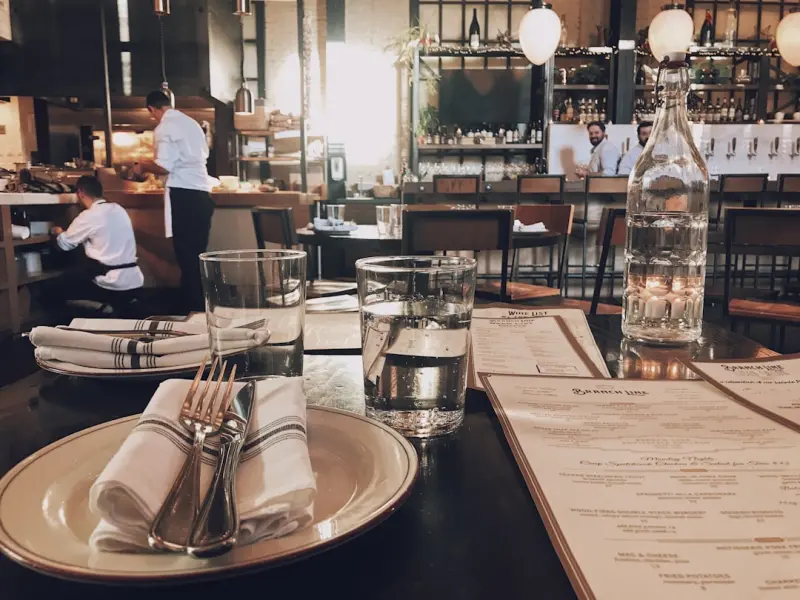
When I first stepped into a downtown bistro last month, the hostess handed me a tablet that asked a few simple questions: “Do you prefer spicy or mild?” “Are you gluten‑free?” “What’s your budget tonight?” Within minutes, the menu on my screen rearranged itself, spotlighting dishes that matched my answers, complete with suggested wine pairings and even a brief note on the chef’s inspiration. I was sitting at a table that felt less like a generic eat‑out and more like a private tasting room curated just for me.
That moment isn’t a futuristic gimmick. It’s the forefront of a quiet revolution sweeping through the restaurant industry, and it’s powered by artificial intelligence. While the hype around AI often circles back to chatbots or kitchen robots, the real game‑changer for restaurants lies in hyper‑personalized menus that adapt to each guest in real time. This shift is reshaping everything from inventory management to brand loyalty, and it’s happening faster than many chefs anticipated.
The Data Behind the Dish
Every interaction a diner has with a restaurant generates data: the time of day they visit, the dishes they linger on, the dietary restrictions they note, and even their social media likes. AI platforms ingest this information, cross‑reference it with historical sales, seasonal ingredient availability, and emerging food trends, then output a menu that feels tailor‑made.
What makes this possible is a blend of machine learning models that predict taste preferences and natural language processing that interprets free‑form guest feedback. For example, a guest who types “I love earthy flavors but hate heavy sauces” can trigger a recommendation for a beet‑infused risotto with a light herb vinaigrette. The AI learns from each interaction, refining its suggestions for future visits.
From Guesswork to Precision: Reducing Food Waste
One of the most compelling arguments for AI‑driven menus is waste reduction. Traditional menu planning often involves a blanket approach: stock a wide variety of ingredients to cover all possible orders, then hope the demand aligns. Inevitably, surplus produce ends up in the trash.
By forecasting demand at a granular level—down to the individual dish per time slot—restaurants can order exactly what they need. This not only trims the waste pie but also slashes the cost of goods sold. The savings can be redirected toward higher‑quality ingredients or innovative menu items.
For readers interested in creative waste solutions beyond the kitchen, our Zero‑Waste Mixology: Turning Scraps into Cocktail Gold post dives into how bars are upcycling leftover fruit and herbs into award‑winning cocktails.
Elevating the Guest Experience
Personalization isn’t just a buzzword; it’s a tangible driver of guest satisfaction. Studies show that diners who receive tailored recommendations are 30% more likely to order higher‑margin items and 20% more likely to return within three months. The psychological impact is simple: people feel seen.
Beyond taste, AI can adjust ambiance settings. Imagine a restaurant that subtly dims lights for a romantic dinner or amplifies background music for a lively brunch crowd—all based on the collective profile of the guests seated. This level of environmental curation was once the domain of high‑end hotels; now it’s becoming a staple for forward‑thinking eateries.
Operational Benefits for the Kitchen
Chefs often lament the disconnect between menu creativity and kitchen capacity. When an AI system predicts a surge in a particular dish, the kitchen can pre‑stage components, reducing wait times and ensuring consistency. Conversely, if a certain entrée is expected to be unpopular on a rainy Tuesday, the kitchen can down‑size its prep, freeing staff to focus on other plates.
This predictive approach also aids in staffing. Labor scheduling can align with expected demand spikes, minimizing overtime costs and preventing burnout during slower periods. The result is a smoother operation that feels less like firefighting and more like a well‑orchestrated performance.
Technology Stack: What Restaurants Need
Implementing AI doesn’t require a full‑scale data science team. Many SaaS providers now offer plug‑and‑play solutions that integrate with existing POS (point‑of‑sale) systems, reservation platforms, and loyalty apps. Key components include:
- Data Ingestion Layer: Pulls real‑time data from orders, reservations, and feedback forms.
- Predictive Engine: Uses machine learning to forecast dish popularity and ingredient usage.
- Personalization Interface: Delivers custom menu views via tablets, QR codes, or mobile apps.
- Analytics Dashboard: Provides chefs and managers with actionable insights on waste, sales, and guest preferences.
For those curious about how digital experiences are reshaping other facets of hospitality, our From Drive‑Ins to Digital Stages: Canada’s Entertainment Evolution article explores the broader shift toward immersive, tech‑driven customer journeys.
Challenges and Ethical Considerations
As with any data‑centric initiative, privacy is paramount. Restaurants must be transparent about the data they collect and obtain consent, especially when dealing with health‑related information like allergies. Implementing robust data security measures isn’t optional—it’s a legal and reputational necessity.
There’s also the risk of over‑personalization. Some diners crave discovery and surprise; a menu that feels overly curated might feel restrictive. The key is offering an “opt‑out” or “explore” mode where guests can browse the full menu, ensuring the technology enhances rather than limits the experience.
Case Study: A Mid‑Town Bistro’s Journey
To illustrate the impact, let’s walk through the experience of Greenhouse Table, a 70‑seat bistro in a bustling arts district. Before AI integration, the restaurant’s waste averaged 15% of purchased inventory, and peak hour turnover was sluggish, with guests waiting an average of 18 minutes for mains.
After partnering with an AI‑menu provider, Greenhouse Table saw:
- Waste Reduction: A 40% drop in discarded produce, thanks to precise demand forecasts.
- Increased Check Size: Guests ordered 22% more add‑ons, driven by tailored pairings.
- Faster Service: Average kitchen prep time fell from 12 to 8 minutes per dish.
- Higher Loyalty Scores: Repeat visitation rose by 18% within six months.
The bistro’s chef, Ana Ramirez, notes that the AI’s suggestions sparked creativity: “The system flagged a seasonal mushroom that was under‑utilized, so I built a new pasta that’s now a bestseller.” This synergy between data and culinary artistry is the sweet spot many restaurants are chasing.
Future Outlook: Beyond Menus
While menu personalization is the headline, the AI wave will soon touch other restaurant touchpoints. Imagine a supply chain that auto‑reorders based on predicted menu demand, or a loyalty program that rewards guests for trying AI‑suggested dishes they might never have considered.
Even the front‑of‑house can become smarter: AI‑powered reservation bots that suggest optimal seating based on group size and ambience preferences, or voice assistants that take orders directly at the table, freeing servers to focus on hospitality.
In short, the technology is moving from “assistive” to “integral,” embedding intelligence into every facet of the dining experience.
Getting Started: A Pragmatic Roadmap
- Audit Your Data Sources: Identify where you already capture guest information—POS, online reservations, feedback forms.
- Choose a Scalable Solution: Look for a SaaS platform that can grow with your restaurant, offering both menu personalization and inventory forecasting.
- Pilot with a Single Service: Start with appetizers or desserts to test the system’s accuracy without disrupting the entire menu.
- Train Your Team: Ensure staff understand how to interpret AI recommendations and can convey the value to guests.
- Iterate and Refine: Use the analytics dashboard to monitor waste, sales, and guest satisfaction, adjusting parameters as needed.
Remember, the goal isn’t to replace the chef’s intuition but to augment it with data‑driven insights that free up creative bandwidth while boosting profitability.
Conclusion: A New Era of Dining
The restaurant industry has always been a dance between tradition and innovation. From farm‑to‑table movements to open‑kitchen concepts, chefs have continuously reimagined how food is presented and experienced. AI‑driven menu personalization is the latest step in that evolution—one that respects the artistry of cooking while embracing the efficiencies of modern technology.
For restaurateurs willing to experiment, the payoff is clear: reduced waste, higher margins, delighted guests, and a brand that feels genuinely attentive. As the technology matures, the line between human touch and algorithmic precision will blur, delivering dining experiences that are both deeply personal and consistently excellent.
So the next time you sit down at a table and the menu seems to know exactly what you crave, remember: you’re not just enjoying a meal—you’re witnessing the future of hospitality unfold.

Related Posts

The Flavors of Canadian Summer: A Culinary Journey
Canadian summers are a culinary journey like no other. Explore the country's diverse flavors, rich c... Read More

Beyond the Plate: Crafting Conversation‑Centric Dining Experiences
Explore how thoughtful seating, sound, and community events transform dining into a conversation‑r... Read More
Why Real‑Time Guest Data Is the Secret Sauce for Restaurants
Real‑time guest data transforms static menus into dynamic experiences. Learn how to capture, analy... Read More
Top Posts

Beyond Sightseeing: Crafting Purpose‑Driven Journeys That Change Lives
Explore the emerging trend of purpose‑driven travel, where vacations become collaborative projects that support local communities, conservation, and cultural ...Read More

Rooftop Gardens: How Canadians Are Turning Cityscapes into Food Sanctuaries
Rooftop gardens are reshaping Canadian cities by providing fresh food, cooling urban heat islands, and building community. This guide offers design fundamentals...Read More

Reviving National Radio: How Public Broadcasting Finds New Life in the Digital Age
Discover how public radio is adapting to streaming, using podcasts and grassroots support to keep national voices alive across Canada....Read More

Unlocking the Ultimate Savings Playbook: How to Turn Everyday Spending into Cash
Learn how to build a personal cashback engine, master subscription trials, and use data‑driven alerts to slash everyday costs and grow your savings effortless...Read More
0 Comments
Post Comment
You will need to Login or Register to comment on this post!