
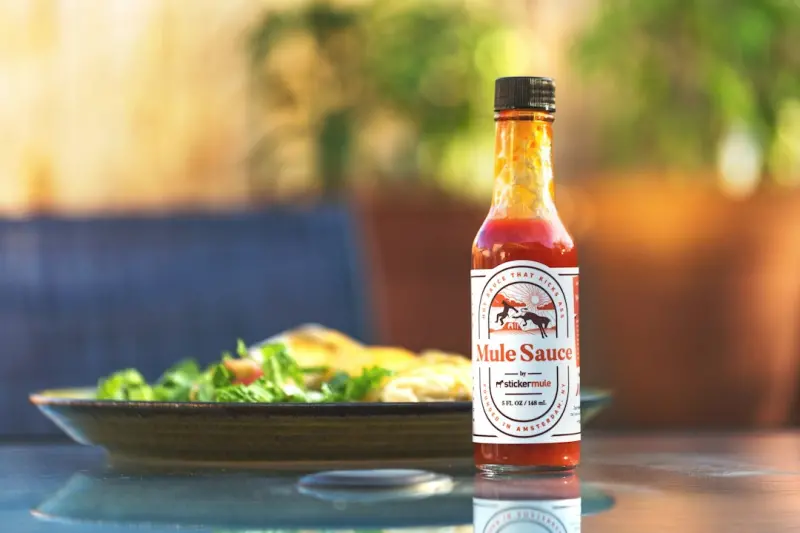
Why Real‑Time Guest Data Is the Secret Sauce for Modern Restaurants
When I first walked into a downtown bistro that seemed to know my favorite dish before I even sat down, I thought it was a trick of the lights. Turns out it wasn’t magic at all—it was real‑time guest data in action. As someone who’s spent a decade hopping between kitchen prep tables, boardrooms, and late‑night brainstorming sessions, I’ve learned that the most compelling flavor in any restaurant today isn’t a spice—it’s information.
Restaurants have always been about reading the room: a bustling lunch crowd, a quiet dinner, a sudden rush for a sports game. But in the age of instant connectivity, the “room” expands to every touchpoint a guest has with your brand—from the moment they scroll your Instagram feed to the instant they tap “order now” on a mobile app. Leveraging that stream of data, not in hindsight but as it happens, can transform a menu from a static list into a living, breathing conversation.
The Data Deluge: Turning Noise into Insight
Most establishments collect data—reservation logs, POS reports, loyalty card scans. Yet the majority of that information sits idle in spreadsheets, waiting for a quarterly review. The real opportunity lies in continuous, granular feedback loops that surface insights while the experience is still fresh.
- Micro‑moment surveys: A one‑sentence pop‑up after a dish is served asking, “How’s the flavor balance?” can capture sentiment before the palate forgets.
- Wearable integration: Smart watches can anonymously transmit heart‑rate spikes that correlate with surprise or delight, feeding into a sentiment index.
- Social listening: Real‑time monitoring of hashtags, mentions, and reviews pinpoints trends that may not appear in internal data.
When you stitch these threads together, you get a real‑time heat map of what’s working, what’s not, and where the next menu innovation should emerge. It’s not about drowning in numbers; it’s about surfacing the right numbers at the right moment.
From Feedback to Menu: The Agile Kitchen
Imagine a menu that evolves like a live playlist. A dish that consistently receives “too salty” feedback gets a quick tweak—maybe a new seasoning blend or a lower sodium broth—within the same service shift. Conversely, a surprise hit can be highlighted on the “Chef’s Choice” board the very next day, capitalizing on momentum.
Implementing this requires three core components:
- Fast data pipelines that push guest input directly to kitchen displays.
- Decision thresholds—clear rules that dictate when a tweak is warranted (e.g., three negative responses in a 30‑minute window).
- Chef empowerment—giving culinary staff the authority (and tools) to adjust recipes on the fly without bureaucratic delay.
When these elements align, the kitchen becomes a data‑driven test kitchen, constantly iterating and learning. The result is a menu that feels personal, responsive, and always a step ahead of the competition.
Tech Stack That Actually Works
All of the above sounds lofty until you pick the right technology. Too many restaurants fall into the trap of buying a massive POS system that promises “all‑in‑one analytics” but ends up as a glorified receipt printer. Here’s a lean, modular stack that has proven effective for a range of concepts, from pop‑up ramen stalls to upscale farm‑to‑table restaurants:
- Feedback capture layer: Tools like Promptly or custom in‑app surveys that embed directly into the ordering flow.
- Data aggregation hub: A cloud‑based middleware (e.g., Zapier or n8n) that consolidates POS, reservation, and survey data into a unified dashboard.
- Visualization & alerts: Real‑time dashboards built in Looker or Power BI with thresholds that trigger push notifications to kitchen stations.
- Action engine: A simple rule‑engine (often a spreadsheet with IF statements) that flags dishes for review or auto‑adjusts pricing based on demand elasticity.
What’s critical is that each layer can be swapped out without disrupting the whole ecosystem. This organizational memory approach ensures that insights from one season feed directly into the next, building a cumulative intelligence that grows with your brand.
Human Touch Meets Numbers
There’s a myth that data makes dining impersonal. In practice, the opposite is true. When chefs receive concrete, real‑time feedback, they can engage guests in conversation about why a flavor profile works—or doesn’t. That dialogue builds authenticity and trust.
Consider the following scenario:
- A guest rates a dessert “too sweet.”
- The kitchen receives an instant alert on the pass‑through screen.
- The pastry chef modifies the sugar ratio for the next batch.
- The same guest, seeing the change on the “Chef’s Update” board, feels heard and shares the story on social media.
That loop transforms a simple rating into a story that other diners can experience, turning data points into brand ambassadors. It’s a virtuous cycle where numbers amplify the human connection rather than replace it.
Case Study: The Midtown Bistro That Cut Waste by 30%
Last fall, a modest bistro in downtown Toronto partnered with a local analytics firm to pilot a real‑time feedback system. Here’s how they did it and what they learned:
- Baseline: 15% plate waste, average check size $27, menu turnover every six months.
- Implementation: Deployed tablet‑based micro‑surveys at each table, linked to a dashboard visible in the kitchen.
- Insights: Guests repeatedly flagged the “Seared Scallop” as “overcooked.” The kitchen adjusted cooking time by 45 seconds, eliminating the complaint.
- Outcome: Plate waste dropped to 10%, average check rose to $31, and the “Scallop Remix” became a featured item within two weeks.
The bistro also leveraged the data to negotiate better pricing with suppliers, using the same dashboards to show strategic deal stacking principles—bundling ingredient purchases across multiple locations to secure volume discounts. The combined effect was a healthier bottom line and a menu that felt truly curated for its patrons.
Actionable Steps for Any Restaurant
If you’re ready to turn your dining room into a data‑driven playground, start with these three actionable steps:
- Pick one touchpoint to instrument: Begin with post‑dish surveys on tablets or QR codes. Keep the question short—“How was the flavor balance?”—and reward participation with a small discount.
- Build a simple dashboard: Use a free tier of a visualization tool to map satisfaction scores in real time. Set color‑coded alerts (green = good, red = needs attention).
- Empower the kitchen: Hold a weekly “Data Huddle” where chefs review the dashboard, decide on tweaks, and document changes. Capture those decisions in a shared sheet to build organizational memory for future seasons.
From there, iterate. Add more data sources, integrate loyalty program behavior, and eventually experiment with predictive analytics that forecast which dishes will trend based on early‑season feedback. The journey is incremental, but each step compounds, delivering a menu that feels alive and a guest experience that feels personalized.
Looking Ahead: The Future of the Data‑Savvy Restaurant
The next frontier isn’t just about tweaking recipes; it’s about weaving data into the very narrative of the brand. Imagine a future where a guest’s first interaction is a digital tasting profile—a short questionnaire that the kitchen uses to suggest dishes, pair wines, and even adjust seasoning on the fly. That profile evolves with every visit, creating a lifelong culinary relationship.
When you combine that with the lessons from collaborative tech in agriculture, you get a full‑circle ecosystem: farms share real‑time harvest data, restaurants adapt menus instantly, and diners enjoy the freshest, most tailored plates possible.
In short, the secret sauce isn’t a secret at all—it’s the data you’re already collecting, served up in the right way. Embrace the feedback, empower the kitchen, and watch your restaurant not just survive but thrive in an increasingly connected world.

Related Posts

Restaurant Loyalty Communities: Turning Diners into Co‑Creators
Explore the rise of restaurant loyalty communities that turn patrons into co‑creators, delivering ... Read More
Ghost Kitchens & the New Frontier of Restaurant Innovation
A deep dive into how ghost kitchens, dynamic menu engineering, and innovative loyalty programs are r... Read More
Modular Dining: How Restaurants Are Rebuilding Spaces for Flexibility and Community
Restaurants are shifting from static floor plans to flexible, modular spaces that adapt to consumer ... Read More
Top Posts

Cozy Cabin Living: A Sustainable Winter Retreat in Canada
Explore the art of creating a warm, eco‑friendly cabin retreat in Canada, from solar design to indoor gardening and community barter networks....Read More

Tariff Intelligence: Transforming Border Fees into Strategic Insight
Tariff intelligence turns border fees from a cost headache into a strategic asset. Discover how SaaS companies can map tariff touchpoints, build predictive dash...Read More

Chasing the Twilight Trophies: Night‑time Bass Secrets in Ontario’s Lesser‑Known Waters
Explore the unique ecosystem of Ontario’s night waters, learn how to locate hidden hot spots, choose the right gear, and adopt safe, sustainable practices for...Read More
The Evolution of Canadian Cuisine: A Reflection on My Restaurant Experiences
Canadian cuisine has come a long way, from traditional dishes like poutine and tourtière to modern fusion flavors. Learn about the evolution of Canadian cuisin...Read More
0 Comments
Post Comment
You will need to Login or Register to comment on this post!