
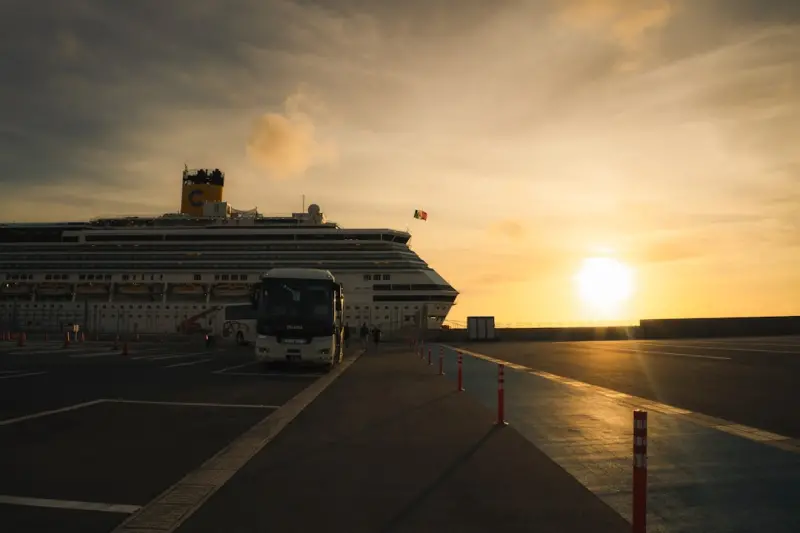
When I first stepped onto a cruise ship as a curious solo traveler, the sea breeze whispered promises of endless discovery. A few years later, I found myself on a sleek, double-decker bus winding through coastal cliffs, marveling at the same sense of possibility—but from a very different perspective. What’s changed since those early adventures isn’t just the destinations; it’s the invisible engine that now powers how we choose, customize, and experience each journey.
From Cookie‑Cutter Packages to Hyper‑Personalized Pathways
Traditional cruise and bus tour operators have long relied on a one‑size‑fits‑all model: fixed itineraries, set dining times, and predetermined shore excursions. While that approach offers simplicity, it often leaves seasoned travelers craving more relevance and spontaneity. Enter artificial intelligence (AI), a technology that’s quietly rewriting the script for mass‑move tourism.
Imagine booking a cruise where the ship’s itinerary adapts in real time to your mood, weather conditions, and even the local events happening at each port. Or picture a bus tour that learns your preferred pace—whether you like to linger at an artisanal market or sprint past the main attractions—and reshapes the route on the fly. This level of dynamic personalization is no longer a futuristic fantasy; it’s happening right now, driven by sophisticated data analysis and machine learning algorithms.
How AI Understands the Traveler
At the heart of this transformation lies a simple yet powerful question: What does a traveler truly want? The answer emerges from three data streams:
- Behavioral footprints—past bookings, on‑board purchases, and social media activity paint a picture of preferences.
- Contextual cues—real‑time weather, local festivals, and even crowd density inform immediate decision‑making.
- Feedback loops—post‑journey surveys, in‑trip ratings, and sentiment analysis refine future recommendations.
By weaving these threads together, AI engines generate a traveler profile that’s as fluid as the sea itself. The more you interact with a brand—whether you’re scrolling through a ship’s virtual deck plan or checking the bus line’s schedule on your phone—the richer the profile becomes, and the more nuanced the suggestions.
Personalized Itineraries in Action
Let’s break down a day on a modern cruise that leverages AI to enhance the experience without overwhelming you with screens. You wake up to a notification that the sunrise yoga session at the deck’s eastern edge has been moved to a quieter sunrise lounge because a flock of migratory birds—detected by the ship’s environmental sensors—will be passing overhead. The change isn’t just logistical; it aligns with your previously expressed love for quiet, nature‑focused moments.
Later, the ship’s dining AI suggests a tasting menu featuring a regional delicacy that matches your dietary preferences (you indicated a penchant for plant‑based meals during the booking process). The menu also highlights a chef’s special inspired by a local festival you’re likely to enjoy, based on your interest in cultural events.
On the bus tour side, a similar magic unfolds. As the vehicle rolls through a coastal town, an AI‑driven recommendation engine pushes a pop‑up notification on your device: “A local pop‑up art exhibit just opened 0.3 miles away—perfect for your love of contemporary art.” The system also adjusts the route to allow a brief stop, ensuring you won’t miss the next scheduled landmark.
The Role of Predictive Analytics
Predictive analytics doesn’t just react; it anticipates. By analyzing historical data from thousands of voyages, AI can forecast which onboard activities will be most popular on a given day and allocate resources accordingly. This reduces wait times, optimizes staffing, and elevates overall satisfaction.
For bus tours, predictive models assess traffic patterns, seasonal tourist flows, and even social media trends to fine‑tune departure times and stops. The result? A smoother ride that feels tailor‑made for each passenger’s rhythm.
Human Touch Meets Machine Intelligence
One concern that often surfaces is the fear that AI will replace the human touch that makes travel memorable. The reality is far more collaborative. Travel advisors now act as “experience curators,” using AI insights as a foundation and adding their own expertise to craft the perfect journey.
Consider a scenario where an AI suggests a private wine tasting in a vineyard off the main cruise itinerary. A seasoned concierge can then verify availability, negotiate a bespoke experience, and sprinkle in a local story that enriches the moment. The marriage of data‑driven precision with human storytelling creates an offering that’s both efficient and deeply resonant.
Ethical Considerations and Data Privacy
With great data comes great responsibility. Travel brands must navigate privacy regulations, obtain clear consent, and ensure transparency about how traveler data is used. Ethical AI practices—such as bias mitigation and explainable algorithms—are essential to maintain trust.
Industry leaders are now adopting privacy‑by‑design frameworks, giving travelers control over what data they share and the ability to opt out of certain personalization features without sacrificing the overall quality of their experience.
Case Study: A Boutique Cruise Line’s AI Evolution
One boutique cruise line recently rolled out an AI‑powered personalization platform. Within six months, they reported a 22% increase in on‑board spend and a 15% rise in repeat bookings. How did they achieve this?
- Dynamic pricing—AI adjusted cabin rates in real time based on demand, loyalty status, and onboard consumption patterns, offering fair prices while maximizing revenue.
- Smart itineraries—The system suggested micro‑excursions that aligned with individual passenger interests, such as a sunrise kayaking session for adventure seekers.
- Tailored communication—Pre‑departure emails highlighted activities that matched each guest’s profile, increasing anticipation and early bookings for specialty events.
This example underscores how AI can serve both the business bottom line and the traveler’s desire for relevance.
Future Horizons: Immersive Experiences Powered by AI
Looking ahead, AI’s role will expand beyond personalization into immersive, multimodal experiences:
- Augmented reality (AR) overlays—Imagine pointing your phone at a historic port and seeing a 3D reconstruction of the city as it appeared centuries ago, curated based on your interest in history.
- Voice‑activated assistants—Onboard AI companions that answer questions, make reservations, or suggest a quiet spot for reading, all through natural conversation.
- Emotion‑sensing technology—Sensors that detect stress levels and suggest calming activities, such as a spa treatment or a meditation session, to keep the journey feeling restful.
These innovations will blur the lines between physical travel and digital enhancement, creating journeys that feel both authentic and futuristic.
Practical Tips for Travelers Embracing AI‑Driven Journeys
Whether you’re a tech‑savvy explorer or a cautious traveler, here are some actionable steps to make the most of AI‑enhanced cruises and bus tours:
- Update your preferences regularly—Log into your travel portal and tweak your interests, dietary needs, and activity levels. The more accurate your profile, the better the recommendations.
- Opt into real‑time alerts—Enable push notifications for on‑the‑go suggestions. You’ll never miss a hidden gem that pops up en route.
- Engage with the concierge—Treat the human staff as your personal guide. Share the AI suggestions you receive and ask for their local insights.
- Protect your data—Review privacy settings and understand how your information is used. Don’t hesitate to request data deletion if you’re uncomfortable.
- Stay open to serendipity—While AI offers precision, the best travel moments often arise from unexpected detours. Balance curated experiences with spontaneous exploration.
Conclusion: A New Era of Travel Storytelling
AI isn’t just a backend engine; it’s becoming a co‑author in the story of our travels. By interpreting our preferences, reacting to our environment, and anticipating our needs, AI helps craft journeys that feel intimately yours while still delivering the seamless efficiency modern travelers expect.
As we stand at this crossroads of technology and wanderlust, the real magic lies in how we blend data‑driven insight with human curiosity. The next time you step onto a cruise deck or settle into a bus seat, remember: you’re not just a passenger—you’re a co‑creator of an ever‑evolving travel narrative.

Related Posts

The Rise of Seamless Sea‑to‑Road Journeys for the Connected Explorer
Modern travelers are blending ocean cruises and bus tours into a fluid adventure, leveraging technol... Read More
Embracing the Slow Pace: How Bus Tours Can Revitalize Your Family Vacation
Bus tours offer a unique and rejuvenating way to explore new destinations and reconnect with your lo... Read More

Charting Personalized Horizons: How Data Is Redefining Cruises and Bus Tours
Explore the rise of hyper‑personalized travel, where data and AI craft bespoke cruise and bus tour... Read More
Top Posts

Fermentation, Microgreens, and Data‑Driven Shopping: A Fresh Playbook for Healthy Eating
A hands‑on guide that blends home fermentation, indoor microgreen gardening, and data‑informed grocery choices to help busy professionals build a resilient,...Read More

Exploring the Uncharted Territories of Rural Canada
Explore rural Canada's stunning landscapes, rich history, and diverse culture on bus tours and cruises. Discover hidden gems and support local communities....Read More

Canada’s Indie Gaming Revolution: How Small Studios Are Redefining Entertainment
Canada’s indie game developers are quietly transforming entertainment, merging local stories with innovative tech to reach global audiences. Discover the rise...Read More

Reimagining Canada’s Digital Backbone: The Case for a National Data Trust
A National Data Trust could become Canada’s next sovereign asset, providing secure, equitable data access for businesses while safeguarding citizen privacy an...Read More
0 Comments
Post Comment
You will need to Login or Register to comment on this post!