
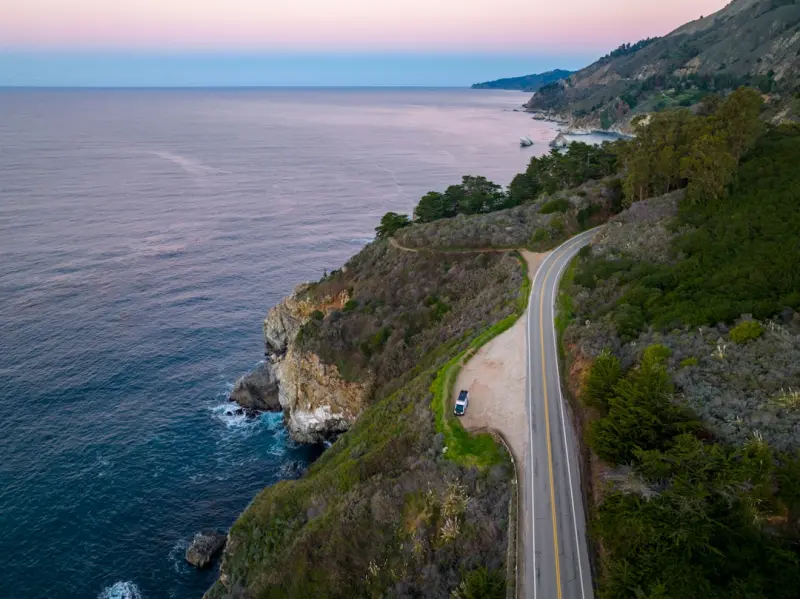
Introduction: A New Travel Narrative Is Emerging
For decades, the classic image of a vacation involved either a leisurely cruise across blue horizons or a scenic bus ride through winding countryside. Today, a new narrative is taking shape—one where the ocean and the road intertwine to form a fluid, continuous experience. Travelers no longer see a cruise and a bus tour as separate chapters; they view them as complementary verses in a single story. This shift is driven by a blend of technology, evolving lifestyle priorities, and a desire for deeper immersion in the places visited.
From Point‑A to Point‑B: Redefining the Journey
The traditional travel model was linear: book a flight, land, then choose either a cruise or a ground tour. The modern explorer, however, craves a journey where transitions are invisible. Imagine stepping off a ship in a coastal town, boarding a premium coach that whisks you to a mountain village, and then hopping back on the same vessel for a sunrise sail the next morning. The fluidity eliminates “downtime” and replaces it with purposeful movement, turning travel time itself into valuable experience.
Technology as the Glue Between Waves and Wheels
What makes this seamless integration possible is a stack of intelligent platforms that speak to each other in real time. Booking engines now pull data from cruise line itineraries and bus route schedules, dynamically adjusting availability as weather, passenger load, or local events shift. Passengers receive a single QR code that grants access to ship cabins, onboard amenities, and bus seats—no need to juggle separate tickets.
One standout development is the rise of quick tech break guide that helps travelers strike a balance between connectivity and mindful rest while on the move. These guides are embedded directly into the ship’s entertainment system and the bus’s seat‑back screens, offering timed suggestions for unplugging, stretching, or exploring local culture without feeling overwhelmed.
Work‑Friendly Voyages: The Office on the Ocean and the Road
Remote work has turned the world into a giant office with a view. Cruise lines have responded by installing ergonomic workstations in select cabins, complete with high‑speed satellite internet, noise‑cancelling panels, and adjustable lighting that mimics natural daylight. Simultaneously, premium bus operators are retrofitting their coaches with ergonomic seats, plug‑in power outlets, and mobile Wi‑Fi that rivals most urban cafés.
This dual‑mode work environment lets professionals attend a morning video call from a private balcony overlooking a fjord, then hop onto a coach that drives them to a historic town for an in‑person networking brunch. The continuity of reliable connectivity across both platforms eliminates the need to “log off” when transitioning between sea and road, making productivity a natural companion to exploration.
Eco‑Conscious Itineraries Without the Guilt
Travelers are increasingly mindful of the environmental footprint of their adventures. Cruise operators are investing in next‑generation scrubbers, hybrid propulsion, and shore‑power connections that let ships draw electricity from local grids while docked, reducing emissions dramatically. On the ground, bus fleets are transitioning to low‑emission diesel alternatives, electric drivetrains, and even hydrogen fuel cells in some pilot programs.
What distinguishes the latest wave of integrated tours is the holistic approach to carbon accounting. Companies now provide passengers with a real‑time dashboard showing emissions saved by choosing combined sea‑to‑road itineraries versus separate trips that require additional flights or redundant ground transport. This transparency empowers travelers to make informed decisions and even offset remaining emissions through partnered reforestation projects.
Wellness‑Centric Design: More Than a Spa
Wellness is no longer confined to a spa menu. Cruise ships are curating “well‑being corridors” that guide passengers from sunrise yoga decks to meditation pods, and even to nutrition stations offering locally sourced, nutrient‑dense meals. Onboard bus routes now include scheduled stops at wellness hubs—think hot‑springs retreats, forest bathing sites, or community‑run yoga studios.
These experiences are carefully sequenced using data analytics that track passenger preferences, biometric feedback (with consent), and local health resources. The result is a personalized wellness itinerary that feels spontaneous yet is meticulously coordinated across both marine and terrestrial environments.
Cultural Immersion Amplified by Multi‑Modal Travel
One of the most compelling reasons to blend cruises with bus tours is the depth of cultural exposure. A cruise can drop passengers at a port rich with maritime heritage, while a bus can whisk them inland to explore traditional crafts, culinary workshops, or festivals that aren’t visible from the coastline.
Operators are leveraging local partnerships to create “pop‑up” experiences: a bus arrives at a vineyard just as the harvest begins, allowing travelers to assist in grape picking before returning to the ship for a tasting dinner featuring the same vintages. Such layered storytelling deepens the traveler’s connection to the destination and creates memories that linger long after the journey ends.
Data‑Driven Route Planning: The Engine Behind the Magic
Behind the seamless experience lies a sophisticated data engine that ingests weather forecasts, traffic patterns, passenger flow, and local event calendars. Machine‑learning models predict optimal embarkation and disembarkation points, adjusting routes on the fly to avoid delays or capitalize on unexpected opportunities—like a sudden local market opening or a fleeting cultural celebration.
In practice, this means a passenger might receive a notification: “A traditional music festival starts in 30 minutes at the next stop. Would you like to join?” With a single tap, the bus’s itinerary is updated, and the ship’s concierge prepares a complimentary welcome kit for the festival experience.
Economic Benefits for Operators and Communities
Integrating cruise and bus services isn’t just a win for travelers; it creates new revenue streams for operators and stimulates local economies. By extending the stay of cruise passengers through bus‑linked excursions, destinations see increased spending on food, crafts, and services. Moreover, operators can bundle premium experiences—such as private tours, exclusive dining, or adventure activities—into a single price point, simplifying budgeting for guests.
These collaborative models also reduce operational redundancies. Shared logistics platforms allow cruise lines and bus companies to co‑manage fuel procurement, crew scheduling, and maintenance, resulting in cost efficiencies that can be passed on to the consumer.
The Future Horizon: AI‑Powered Personal Guides
Looking ahead, artificial intelligence will act as a personal concierge that knows each traveler’s preferences better than they do. By analyzing past travel behavior, social media activity, and even real‑time mood indicators (through optional wearable data), AI will suggest micro‑adventures that fit seamlessly into the broader itinerary.
For example, if a passenger shows a penchant for street art, the system might propose a detour to a hidden graffiti alley accessible by a short bus ride, then schedule a sunset photo session on the ship’s deck. The AI will handle all logistics—ticketing, seating, and reminders—ensuring a frictionless experience.
Conclusion: Embracing the Fluid Travel Lifestyle
The convergence of cruise and bus tours marks a pivotal evolution in how we experience the world. It reflects a broader cultural shift toward fluidity, personalization, and responsibility. As technology continues to knit together the sea and the road, travelers can look forward to journeys where the only interruptions are the breathtaking vistas that unfold at every turn.
For those ready to trade isolated trips for an interconnected adventure, the era of seamless sea‑to‑road travel invites you to step aboard, buckle in, and let the horizon guide you.
For further insights into how emerging technologies are reshaping travel experiences, explore our discussion on small community dynamics and discover the employee wellness payoff in the travel sector.

Related Posts
Sailing the Land: Crafting Unforgettable Cruise‑Bus Hybrid Journeys
Explore the art of merging sea voyages with scenic bus routes, offering seamless transitions, sustai... Read More
Sailing and Road‑Trip Fusion: How to Blend Cruise Luxury with Bus Tour Adventure
Explore a fresh travel formula that merges cruise luxury with curated bus tours, delivering deeper c... Read More
Charting a Greener Course: Sustainable Adventures on Water and Road
A deep dive into the latest green technologies, community‑centric itineraries, and practical tips ... Read More
Top Posts

Pharmacist‑Led Clinics: A Rural Health Revolution in Canada
A deep dive into how empowering pharmacists as primary‑care providers could reshape rural Canadian health, delivering faster, affordable, and community‑focu...Read More

How Canadian Homes Are Getting Smarter and Greener
Canadian households are adopting intelligent heating, vertical gardens, tool libraries, and adaptable interiors, creating a sustainable, community‑focused way...Read More

Forest Bathing for Urban Minds: My Journey to a Daily Nature Prescription
A personal narrative on turning daily forest walks into a powerful health tool, covering science, routines, community walking clubs, and tips for city dwellers....Read More
Parental Warning: The Subtle Addiction Built Into Kids’ Learning Apps
A deep dive into the psychological tricks behind gamified learning platforms, revealing how reward loops can foster addiction in children and offering practical...Read More
0 Comments
Post Comment
You will need to Login or Register to comment on this post!