
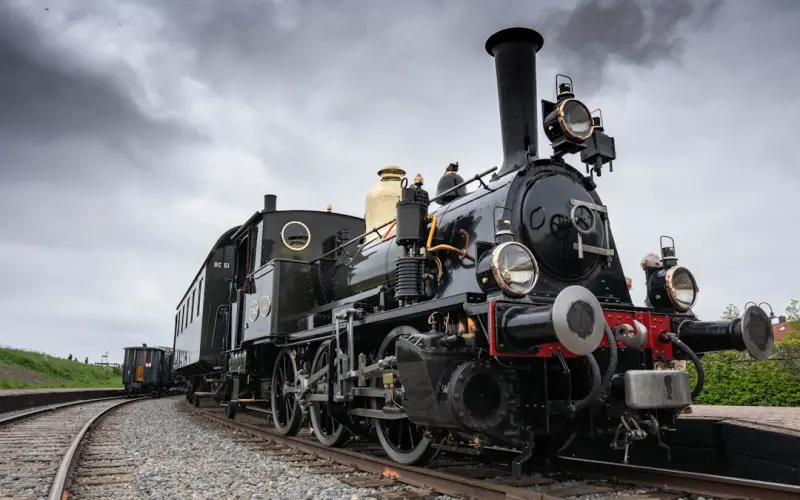
The Forgotten Rails: How Heritage Train Journeys Are Redefining Modern Travel
When I first stepped onto the weathered platform of the Old North Line in a sleepy prairie town, the scent of coal and pine mingled with a palpable sense of nostalgia. It wasn’t just a ride; it was an invitation to travel back in time while moving forward into a new kind of tourism—one that marries history, community, and adventure. In an era where jet‑setters chase the quickest route and digital nomads chase Wi‑Fi, a growing cohort of travelers are rediscovering the romance of the rails.
Why Heritage Trains Are Gaining Momentum
Three forces are converging to push heritage railways from niche curiosities into mainstream attractions:
- Story‑Driven Experiences: Modern tourists crave narratives. A heritage train offers a living story, with each carriage telling a chapter of regional history, from indigenous trade routes to the boom of the industrial age.
- Slow‑Travel Appeal: The deliberate pace of a locomotive encourages passengers to savor landscapes, engage with fellow travelers, and disconnect from the frantic scrolling that dominates most vacations.
- Community Revitalization: Restoring old tracks and stations creates jobs, stimulates local economies, and gives small towns a fresh identity on the tourism map.
These factors are not isolated; they reinforce each other. A community that invests in a heritage line often pairs it with eco‑friendly road trips, offering visitors a seamless blend of rail and road adventures.
From Ghost Tracks to Tourist Gold
The transformation from abandoned rails to thriving tourist corridors typically follows a five‑stage blueprint:
- Historical Audit: Historians and engineers catalog the line’s original purpose, architecture, and any unique rolling stock still in existence.
- Stakeholder Coalition: Municipalities, heritage societies, indigenous groups, and private investors form a coalition. This partnership ensures that restoration respects both cultural heritage and modern safety standards.
- Funding Mix: Grants from heritage foundations, crowdfunding campaigns, and corporate sponsorships blend to cover the hefty upfront costs.
- Infrastructure Rehabilitation: Tracks are cleared, bridges reinforced, and stations refurbished. In many cases, stations become boutique cafés, galleries, or artisan workshops.
- Experience Curation: The final stage designs itineraries, onboard programming, and complementary activities (like guided hikes or river canoeing) to create a cohesive travel package.
While the process is capital‑intensive, the payoff can be substantial. Take the Maple Valley Line, a 120‑kilometre stretch that was once a freight conduit for timber. After a decade of revitalization, it now draws over 150,000 passengers annually, spurring a 30% rise in local hospitality revenues.
Designing the Journey: What Sets a Heritage Train Apart
To differentiate from conventional sightseeing tours, successful heritage rail experiences incorporate three design pillars:
Immersive Storytelling
Every stop is an opportunity to narrate a piece of the region’s tapestry. Onboard historians might recount the tale of a pioneering family who built the original depot, while audio guides sync with passing landscapes to highlight ecological shifts over the past century.
Multi‑Sensory Engagement
Beyond visual wonder, heritage trains engage other senses: the rhythmic clatter of wheels, the aroma of locally sourced meals prepared in vintage kitchens, and even tactile interactions with restored equipment. Such sensory depth turns a simple ride into a memorable event that lingers long after the train pulls into the final station.
Integrated Local Partnerships
Strategic collaborations with nearby farms, artisans, and cultural institutions turn each stop into a mini‑festival. Passengers might disembark for a pop‑up farmers’ market, a live folk music session, or a workshop on traditional woodworking techniques.
Balancing Nostalgia with Modern Comfort
Travelers expect a baseline of comfort—Wi‑Fi, climate control, and accessible facilities—yet the charm of heritage travel lies in its authenticity. The sweet spot is a hybrid model:
- Discrete Technology: Install Wi‑Fi routers in a way that doesn’t intrude on historic aesthetics; offer charging stations concealed within vintage wooden panels.
- Eco‑Conscious Upgrades: Replace diesel locomotives with bio‑fuel or hybrid engines, reducing emissions while preserving the classic silhouette of the train.
- Accessibility Solutions: Retrofit carriages with ramps and wheelchair‑friendly seating, ensuring that the journey is inclusive without compromising the historic vibe.
Hidden Pitfalls and How to Navigate Them
Like any burgeoning niche, heritage rail tourism carries its own set of challenges. First, there’s the temptation to over‑commercialize, which can erode the very authenticity travelers seek. Second, budget travel pitfalls can emerge when operators underestimate maintenance costs, leading to fare hikes that deter price‑sensitive visitors.
To mitigate these risks, operators should adopt transparent pricing, engage in continuous community dialogue, and implement a robust maintenance schedule that balances heritage preservation with operational safety.
Case Study: The Riverbend Heritage Loop
Located in the foothills of the Great Lakes region, the Riverbend Heritage Loop exemplifies how a modest 45‑kilometre line can become a catalyst for regional tourism. Key highlights include:
- Seasonal Themes: Spring brings a “Blossom Express” with onboard botanical workshops; autumn features a “Harvest Train” showcasing local cider and cheese tastings.
- Cross‑Promotion: Partnerships with nearby bike‑share programs allow passengers to transition seamlessly from rail to pedal, extending the adventure beyond the rails.
- Community Impact: Since its launch, the Loop has generated 25 full‑time jobs and contributed roughly $4 million to the regional economy.
The Riverbend model underscores a core lesson: heritage rail lines thrive when they become part of a broader ecosystem of experiences rather than standing alone as a solitary attraction.
Future Trends: What’s Next for the Tracks?
Looking ahead, several innovations could further amplify the appeal of heritage rail travel:
- Augmented Reality Windows: Passengers could point a tablet at passing scenery to see overlays of historic photographs, indigenous legends, or ecological data.
- Pop‑Up Cultural Pods: Temporary stations that appear only during festivals, offering unique performances or culinary pop‑ups tied to the event.
- Carbon‑Neutral Certification: As sustainability becomes non‑negotiable, heritage lines will likely pursue rigorous carbon‑offset programs, marketing themselves as truly green travel options.
How to Start Your Own Heritage Rail Adventure
If the idea of hopping aboard a refurbished steam engine sparks your wanderlust, here’s a quick starter checklist:
- Research Local Lines: Identify dormant or underutilized rail corridors within a reasonable distance.
- Connect with Historical Societies: These groups can provide invaluable insight and may already have preservation initiatives in motion.
- Assess Funding Options: Explore government heritage grants, private sponsorship, and community‑based crowdfunding.
- Draft an Experience Blueprint: Define your target audience—families, couples, adventure seekers—and map out complementary activities at each stop.
- Launch a Pilot: Start with a short, seasonal run to test demand, gather feedback, and fine‑tune operations before scaling up.
Remember, the journey is as important as the destination. By weaving together history, community, and thoughtful design, heritage rail travel can become a cornerstone of the modern travel landscape—offering depth, authenticity, and a tangible connection to the past.
Whether you’re a seasoned travel writer, a tourism board strategist, or simply an explorer hungry for a different kind of adventure, the rails are waiting. All you need to do is step aboard.

Related Posts

Regenerative Travel: How Vacations Can Leave Places Better Than You Found Them
Regenerative travel flips the tourism script: instead of leaving footprints, travelers leave kindnes... Read More
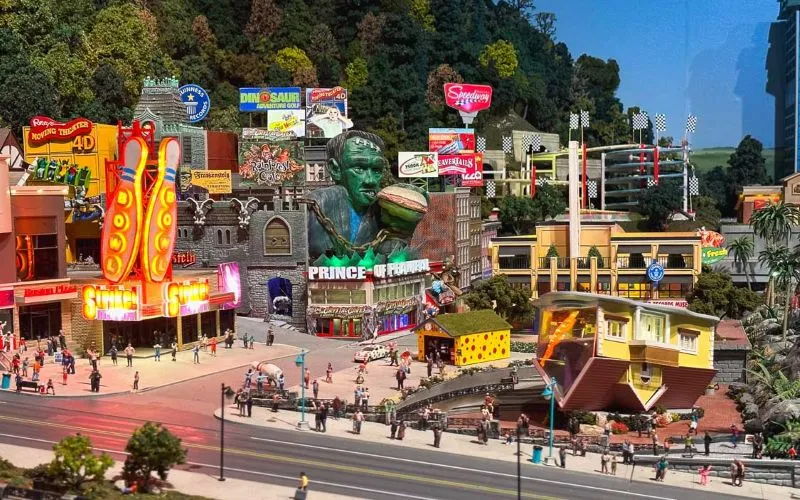
Discovering the Wonders of Little Canada: A Miniature Journey Across the Nation
As a passionate explorer and lover of all things Canada, I was utterly captivated when I first heard... Read More

Uncharted Getaways: Exploring the Hidden Gems of Rural America
Explore the uncharted getaways of rural America, where stunning landscapes, rich history, and warm h... Read More
Top Posts

When Algorithms Judge: The Legal Tightrope of AI‑Powered Decision‑Making
A deep dive into how AI‑driven decisions intersect with due process, bias, privacy, and emerging regulations, offering practical steps for lawyers and busines...Read More
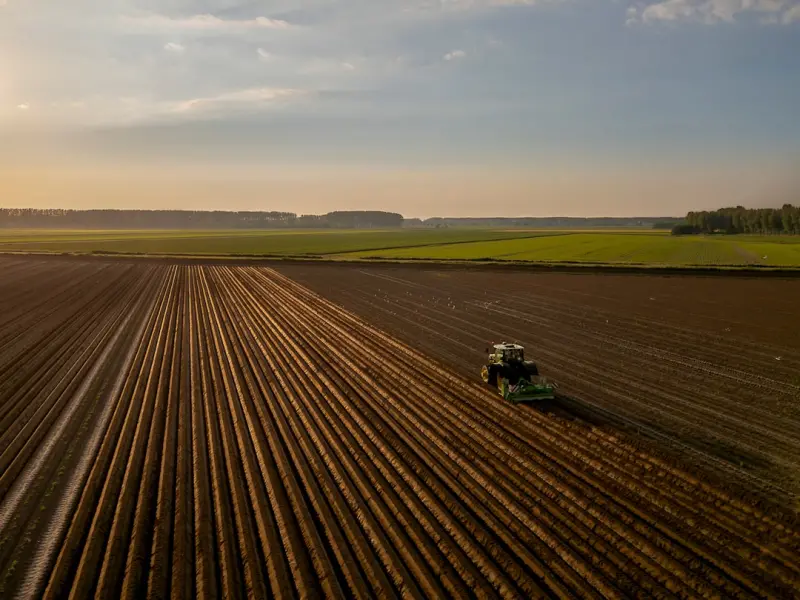
Beyond the Field: How Canadian Farmers are Redefining Resilience and Community
From regenerative soil methods to farmer‑led mental‑health circles, Canadian growers are turning challenges into opportunities, weaving technology and tradi...Read More

Edible Packaging: The Quiet Revolution Changing What We Eat and Drink
A deep dive into the rise of edible packaging reveals how innovative materials, AI-driven personalization, and zero‑waste mixology are turning containers into...Read More

Why Real‑Time Guest Data Is the Secret Sauce for Restaurants
Real‑time guest data transforms static menus into dynamic experiences. Learn how to capture, analyze, and act on feedback instantly, empowering chefs and deli...Read More
0 Comments
Post Comment
You will need to Login or Register to comment on this post!