
Ambient Wellness: Turning Everyday Spaces into Health Boosters
When I first walked into a coworking hub that smelled faintly of pine and played a low‑frequency hum, I felt something click. It wasn’t a new app notification or a trendy snack—it was the space itself, subtly nudging my body toward better health. This is the essence of ambient wellness: designing the environments we inhabit so they work for us, not against us. From the office lobby to the kitchen table, the built world can become a silent partner in our well‑being, delivering benefits that go far beyond the occasional yoga class.
Why Ambient Wellness Matters Now
Our lives have become a patchwork of screens, meetings, and commute‑induced stress. While wearable tech has given us data, the context in which we live—light, sound, air quality, and even scent—remains largely ignored. The science is catching up: studies show that natural light boosts mood, certain sound frequencies improve focus, and indoor plants can reduce airborne pollutants, leading to fewer sick days. When we treat these elements as intentional design tools, we shift from reactive health fixes to proactive health architecture.
The Four Pillars of Ambient Wellness
- Light: Access to circadian‑aligned lighting can regulate sleep patterns, enhance alertness, and even improve metabolic health.
- Sound: Ambient soundscapes, whether gentle water features or curated acoustic panels, can lower cortisol and sharpen concentration.
- Air: Real‑time monitoring of CO₂, VOCs, and humidity, paired with smart ventilation, creates a breathing environment that supports immune function.
- Scent & Texture: Subtle aromatherapy and tactile surfaces (think soft‑touch flooring) engage the nervous system, promoting calm and reducing fatigue.
Light: More Than Just Illumination
Most offices still rely on fluorescent tubes that flicker at a frequency invisible to the naked eye but not to our brains. These lights can disrupt melatonin production, leading to insomnia and reduced cognitive performance. Emerging human‑centric lighting systems mimic sunrise and sunset, gradually shifting color temperature throughout the day. The result? Employees report better sleep, higher energy, and a noticeable dip in eye strain. Companies that have retrofitted their spaces with such systems have seen a 12% increase in productivity—an ROI that extends beyond the balance sheet.
Sound: The Quiet Power of Acoustics
We often think of silence as the ideal office soundscape, yet a carefully crafted ambient hum can be more beneficial. Low‑frequency sounds, often called “brown noise,” have been shown to improve focus for individuals with ADHD and reduce the perception of crowd noise in open‑plan offices. Integrating acoustic panels that absorb harsh echoes while emitting a gentle, consistent sound can transform a bustling floor into a zone of deep work. The key is balance: too much silence can feel oppressive, while a subtle soundscape encourages a state of flow.
Air: Breathing Life into Workspaces
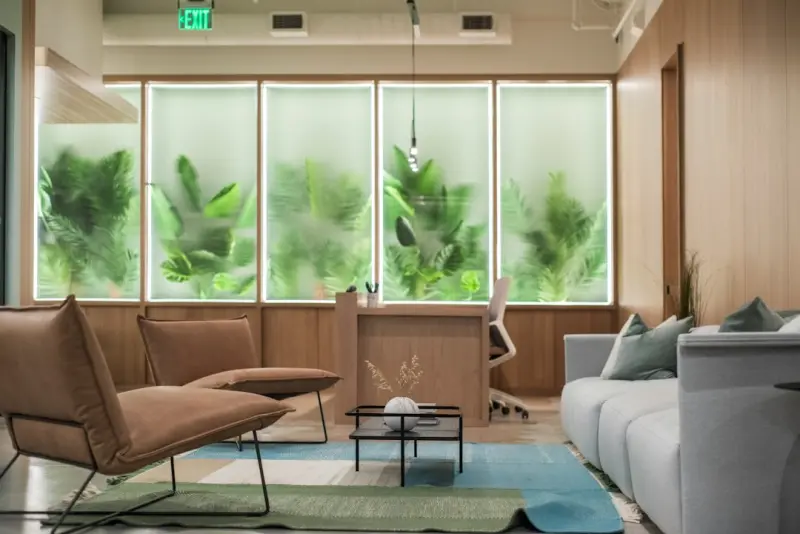
Indoor air quality (IAQ) is a hidden health factor that many overlook. Poor IAQ contributes to headaches, allergies, and even long‑term respiratory issues. Modern sensors now provide real‑time data on pollutants, allowing building management systems to adjust ventilation dynamically. Some forward‑thinking firms have taken it a step further, introducing “living walls”—vertical gardens that not only filter air but also boost morale. The tangible health benefits are clear: a 30% reduction in sick‑day usage has been reported in offices that prioritize IAQ.
Scent & Texture: Engaging the Subconscious
Our sense of smell is directly linked to the limbic system, the brain region that governs emotion and memory. Subtle scents like lavender or eucalyptus can lower heart rate and reduce anxiety. Meanwhile, tactile surfaces—such as soft‑touch flooring or ergonomic chair fabrics—send soothing signals to the nervous system, decreasing muscle tension. When these sensory inputs are thoughtfully integrated, the environment becomes a low‑effort wellness tool, supporting mental health without demanding active participation from the user.
Technology’s Role in Ambient Wellness
The rise of the Internet of Things (IoT) has turned ambient wellness from a design philosophy into an actionable strategy. Sensors embedded in lighting fixtures, HVAC systems, and even furniture collect data that can be visualized on dashboards. This data not only informs real‑time adjustments but also provides longitudinal insights into how environmental factors correlate with employee health outcomes. For organizations that already leverage data for performance, adding ambient wellness metrics is a natural extension.
From Theory to Practice: A Step‑by‑Step Guide
- Audit Your Space: Use inexpensive sensor kits to measure light intensity, sound levels, and air quality. Identify the biggest gaps.
- Prioritize Interventions: Start with the low‑hanging fruit—swap out harsh fluorescents for tunable LEDs, add acoustic panels, or introduce houseplants.
- Integrate Smart Controls: Connect lighting and HVAC to a central system that can adapt to real‑time data. Many platforms now offer plug‑and‑play solutions.
- Engage Employees: Run short workshops that explain the changes and invite feedback. When people understand the “why,” adoption rates soar.
- Measure Impact: Track metrics like absenteeism, self‑reported stress levels, and productivity scores. Adjust the strategy based on what the data tells you.
Case Study: A Tech Startup’s Ambient Overhaul
One Vancouver‑based startup recently partnered with an ambient wellness consultancy to revamp its 10,000‑sq‑ft office. They installed circadian lighting, acoustic clouds, and a network of IAQ sensors linked to an AI‑driven building management system. Within six months, they saw a 20% drop in reported headaches, a 15% increase in employee satisfaction scores, and a modest but measurable boost in quarterly revenue. The company attributes these gains not just to happier employees, but to the fact that healthier bodies think more clearly.
Beyond the Office: Home and Public Spaces
Ambient wellness isn’t limited to corporate environments. Home offices can benefit from similar principles—think smart bulbs that adjust to your sleep schedule or a desktop air purifier that alerts you when CO₂ spikes. Public spaces like libraries and cafés are also experimenting with soundscaping and scent diffusion to create inviting, health‑supportive environments. The future may see city planners integrating ambient wellness into zoning regulations, making healthier neighborhoods the norm rather than the exception.
The Intersection with Community‑Owned Health Initiatives
While ambient wellness focuses on micro‑environments, it dovetails nicely with larger community health movements. For instance, leveraging geography for health equity can be enhanced when local hubs—libraries, community centers, and co‑working spaces—adopt ambient wellness standards. A well‑lit, low‑noise, clean‑air environment can become a catalyst for broader public health outcomes, especially in underserved areas.
Nutrition Meets Ambient Design
Even the way we present food can be part of ambient wellness. The emerging field of gut‑friendly nutrition teaches us that environment influences digestion. Simple changes—like using natural lighting during meals or playing calming background sounds—can improve gut motility and nutrient absorption. By aligning our eating spaces with ambient principles, we close the loop between environment, nutrition, and overall health.
Future Trends: Adaptive Environments and Personalized Wellness
Looking ahead, the next wave of ambient wellness will be hyper‑personalized. Imagine entering a conference room that instantly adjusts its lighting, temperature, and scent based on your biometric data collected from a smartwatch. AI will predict when you need a break, cueing a short meditation with ambient sounds. As data privacy regulations evolve, companies must ensure that such personalized experiences are opt‑in and transparent, building trust while delivering health benefits.
Conclusion: Designing Health Into the Everyday
Ambient wellness invites us to think of health as a continuous, contextual experience rather than a series of isolated actions. By tuning the spaces we spend the majority of our time in, we create an invisible health net that catches stress, fatigue, and illness before they manifest. The journey starts with a single sensor, a thoughtful light fixture, or even a plant on a desk. As more organizations adopt these principles, the ripple effect will reshape not only workplaces but entire communities, ushering in an era where health is built into the very fabric of our daily lives.

Related Posts

How Intentional Breathing Can Transform Your Health
A deep dive into the power of intentional breathing, blending science, simple exercises, and nutriti... Read More

Glow From Within: Harnessing Light Therapy to Supercharge Remote Work
A deep dive into how light therapy can realign circadian rhythms, lift mood, and sharpen focus for r... Read More

Digital Sabbaths: The Unexpected Health Hack Your Team Needs
A digital sabbath—structured screen‑free time—offers a science‑backed solution to burnout, e... Read More
Top Posts

Unlocking Hidden Savings: A B2B SaaS Buyer’s Playbook
A step‑by‑step guide reveals how to audit SaaS spend, negotiate bundles, use AI price tools, and leverage community buying to turn software subscriptions in...Read More

Trump's 51st State? Nope, Canada's Saying "Hold My Poutine!"
Okay, let's get one thing straight right off the bat. I'm Canadian. Born and bred. I bleed maple syrup, apologize excessively, and love my poutine (don't judge)...Read More

Riding the Rails: Transforming Long-Haul Train Journeys into Immersive Travel Experiences
Explore the revival of night trains and learn how their scenic routes, community vibes, and eco‑friendly design turn ordinary commutes into immersive travel a...Read More

Tariff‑Driven Edge Innovation: Turning Trade Costs into SaaS Advantage
Tariffs are no longer just a line‑item expense. By adopting a local‑first edge strategy, SaaS companies can mitigate hardware duties, reduce latency, and me...Read More
0 Comments
Post Comment
You will need to Login or Register to comment on this post!