
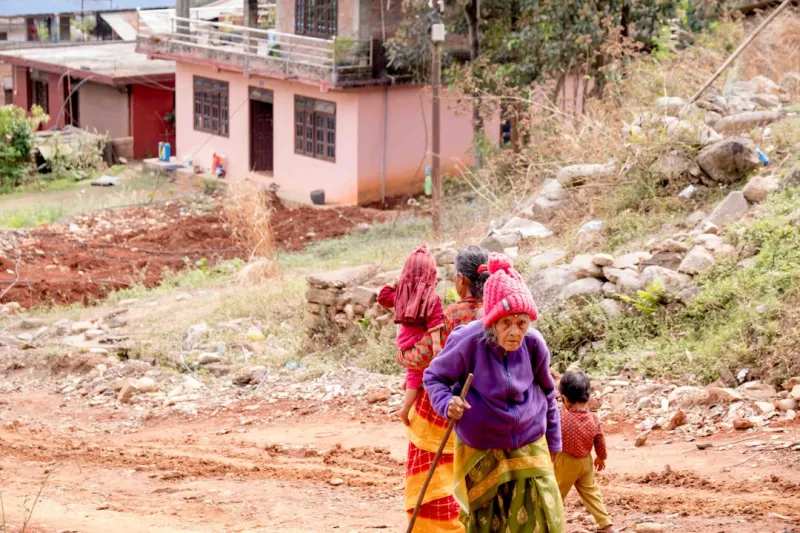
The Unseen Struggle: Rural Health Disparities and the Need for Change
As I reflect on my journey through rural America, I am reminded of the vast disparities that exist in healthcare. Growing up in a rural town, I witnessed firsthand the struggles that our community faced in accessing quality healthcare. From limited access to specialized care to a shortage of healthcare professionals, the challenges were overwhelming. It is a narrative that is all too familiar in many rural communities across America. In this article, I aim to shed light on the critical issue of rural health disparities and the need for change.
The Stark Reality of Rural Health Disparities
The statistics are alarming. According to recent studies, rural Americans are more likely to die from preventable causes such as heart disease, cancer, and accidents compared to their urban counterparts. The rural health disparities are a pressing concern that demands attention from policymakers, healthcare professionals, and community leaders. The reasons for these disparities are complex and multifaceted, but some of the contributing factors include limited access to healthcare services, a shortage of healthcare professionals, and a lack of resources and infrastructure.
Limited Access to Healthcare Services
One of the primary challenges facing rural communities is limited access to healthcare services. Many rural areas have fewer healthcare providers per capita compared to urban areas, making it difficult for residents to access care when they need it. This can lead to delayed diagnosis and treatment, which can have devastating consequences. Furthermore, rural areas often have limited access to specialized care, such as mental health services, cancer treatment, and cardiovascular care. This can force residents to travel long distances to receive care, which can be costly and time-consuming.
The Shortage of Healthcare Professionals
Another significant challenge facing rural communities is the shortage of healthcare professionals. Rural areas often struggle to attract and retain top talent in the healthcare field, which can exacerbate the existing shortage of healthcare providers. This can lead to a vicious cycle where rural communities are unable to attract healthcare professionals due to the limited availability of resources and infrastructure, and healthcare professionals are unwilling to practice in rural areas due to the challenges and limited opportunities.
The Importance of Community-Based Solutions
So, what can be done to address the rural health disparities? One approach is to focus on community-based solutions that take into account the unique needs and challenges of rural communities. This can include initiatives such as community health worker programs, which train local residents to provide basic healthcare services and connect residents with healthcare providers. Additionally, telehealth services can help to bridge the gap in access to specialized care by allowing residents to receive care remotely.
Unlocking Hidden Savings: A Key to Affordable Rural Living
Another critical aspect of addressing rural health disparities is to consider the intersection of healthcare and rural living. For example, affordable rural living can play a critical role in reducing healthcare costs and improving health outcomes. By providing resources and support for residents to access affordable housing, healthy food, and other essential services, communities can help to reduce the burden on the healthcare system.
The Resurgence of Rural America: A New Era of Growth and Opportunity
The resurgence of rural America is a promising trend that holds great potential for addressing rural health disparities. By investing in rural infrastructure, promoting entrepreneurship and job creation, and supporting community development initiatives, we can help to build stronger, healthier communities. This can include initiatives such as rural broadband development, which can help to connect rural residents with healthcare services, educational resources, and economic opportunities.
A Call to Action
In conclusion, the rural health disparities are a pressing concern that demands attention and action from all stakeholders. By working together to address the unique challenges facing rural communities, we can help to build healthier, more resilient communities. This will require a sustained commitment to community-based solutions, policy changes, and investment in rural infrastructure. I urge policymakers, healthcare professionals, and community leaders to join forces to address this critical issue and ensure that all Americans have access to quality healthcare, regardless of where they live.
The Future of Rural Health
The future of rural health is uncertain, but one thing is clear: we must act now to address the existing disparities. By prioritizing rural health and investing in community-based solutions, we can help to build a brighter future for rural America. This will require a collective effort from all stakeholders, but the rewards will be well worth it. By working together, we can help to ensure that all Americans have access to quality healthcare, regardless of where they live.
Conclusion
In conclusion, the issue of rural health disparities is a complex and pressing concern that demands attention and action. By understanding the root causes of these disparities and working together to address them, we can help to build healthier, more resilient communities. I hope that this article has shed light on the critical issue of rural health disparities and inspired readers to join the conversation. Together, we can make a difference and ensure that all Americans have access to quality healthcare, regardless of where they live.
Some key takeaways from this article include:
- Rural health disparities are a pressing concern that demands attention and action from all stakeholders.
- Limited access to healthcare services, a shortage of healthcare professionals, and a lack of resources and infrastructure are some of the contributing factors to rural health disparities.
- Community-based solutions, policy changes, and investment in rural infrastructure are critical to addressing rural health disparities.
- The resurgence of rural America holds great potential for addressing rural health disparities.
By working together, we can help to build a brighter future for rural America and ensure that all Americans have access to quality healthcare, regardless of where they live.
The conversation about rural health disparities is far from over. I encourage readers to share their thoughts and experiences in the comments section below. Together, we can make a difference and build a healthier, more resilient rural America.

Related Posts

Canadian Ticks are on the Rise: What You Need to Know and Watch Out For
Canada, with its diverse ecosystems and sprawling landscapes, provides a hospitable environment for ... Read More

When Your Wristwatch Becomes a Personal Health Coach
Wearables have evolved from simple step counters to active health coaches that, alongside smart home... Read More

Invisible Wellness: How Ambient Sensors Are Quietly Shaping Our Health
Ambient health technology uses invisible sensors to continuously monitor physiological signals, offe... Read More
Top Posts

Reviving National Radio: How Public Broadcasting Finds New Life in the Digital Age
Discover how public radio is adapting to streaming, using podcasts and grassroots support to keep national voices alive across Canada....Read More

AI in the Courtroom: Redefining Evidence and Due Process
Artificial intelligence is entering the courtroom, challenging traditional evidentiary rules and due process. This post examines authentication, bias, expert te...Read More

Micro‑Mobility Subscriptions: A Game‑Changer for Urban Cost of Living
Micro‑mobility subscription models, powered by dynamic pricing SaaS, are reducing transportation expenses and easing the urban cost‑of‑living burden, offe...Read More

Why Human‑First Data Is the Secret Sauce for B2B Growth
Treat data as a conversation starter, not a scoreboard. This post explores how a human‑first approach to intent signals, personalized storytelling, and transp...Read More
0 Comments
Post Comment
You will need to Login or Register to comment on this post!