
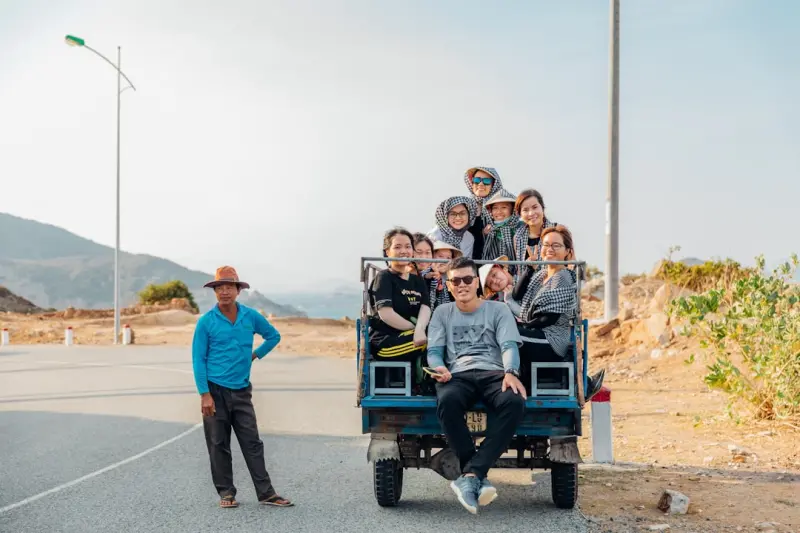
Imagine stepping off a flight, swapping a suitcase for a tool kit, and spending a single afternoon planting a fruit tree in a rural schoolyard. In the next few hours you’re sipping locally sourced tea, learning a few phrases in the community’s language, and snapping a photo that captures more than a postcard view – it captures purpose. This is the essence of micro‑volunteering travel, a fast‑growing trend that lets wanderers blend short‑haul tourism with bite‑size community impact.
The Spark Behind Micro‑Volunteering
Traditional voluntourism often required weeks, even months, of commitment: a semester teaching English in a foreign village, a summer building homes abroad, or a year‑long wildlife conservation stint. While these experiences are undeniably valuable, they also created high barriers to entry – time, cost, and logistical complexity. The modern traveler, especially after a decade of remote work and hyper‑connected life, craves flexibility. They want to travel deeply without sacrificing professional or personal obligations.
Enter micro‑volunteering. These are purpose‑driven activities that can be slotted into a regular itinerary, lasting anywhere from 30 minutes to a full day. They can be booked through a mobile app, added to a hotel’s concierge menu, or even arranged spontaneously at a local community center. The result? A travel experience that feels authentic, impactful, and efficient.
Designing a Meaningful Mini‑Mission
Creating a micro‑volunteer opportunity that truly benefits a host community requires careful thought. A successful mini‑mission follows three core principles:
- Community‑led focus. The activity must address a genuine local need, identified by residents rather than outsiders.
- Low‑skill entry point. Volunteers should be able to contribute without specialized training, ensuring inclusivity.
- Measurable outcome. Even a short‑term act should leave a tangible, positive trace – a freshly painted mural, a repaired water pump, or a handful of seedlings.
Take, for example, a coastal town in Portugal that struggles with plastic waste on its beaches. A micro‑volunteer program could invite travelers to spend an hour collecting debris, then teach them how to sort materials for local recycling. The impact is immediate (cleaner shores) and the experience is memorable – a story to share on social media and a personal sense of contribution.
Partnering with Local Heroes
One of the most powerful ways to ensure authenticity is by collaborating with community‑based organisations that already have trust and infrastructure on the ground. In Canada, a network of family farms has embraced data‑driven stewardship to boost resilience. Their approach, detailed in Canadian farmers' data‑driven community model, shows how technology can amplify local knowledge.
Travel companies can emulate this by partnering with similar grassroots groups: youth clubs, environmental NGOs, or artisan cooperatives. The partnership model typically involves three steps:
- Co‑creation. Hosts outline tasks that align with their priorities.
- Training kit. A short briefing (often a video or printable guide) equips volunteers with the basics.
- Feedback loop. After the activity, hosts share outcomes and invite volunteers to stay connected, turning a one‑off act into a lasting relationship.
Sustainable Practices on the Move
Impactful travel isn’t just about the activity; it’s also about the footprint of the traveler. Sustainability should permeate every layer of the micro‑volunteering experience, from transportation to meals. A growing number of eco‑savvy cafés are experimenting with Zero‑waste mixology techniques, turning leftover fruit peels and herb stems into vibrant, low‑impact cocktails.
Travelers can support these initiatives by choosing accommodations that source locally, opting for public transit or bike rentals, and participating in waste‑reduction workshops. When the micro‑volunteer task involves a community garden, for instance, the volunteer can also learn how to compost kitchen scraps, linking the act of giving back to personal lifestyle changes.
The Business Case for Travel Companies
Beyond the goodwill factor, micro‑volunteering offers a clear commercial upside. Here’s why:
- Differentiation. In a crowded market, offering purpose‑driven add‑ons sets a brand apart.
- Higher booking value. Guests are willing to pay a premium for curated experiences that promise social impact.
- Extended stay. Travelers who engage with the community often extend their visit to explore more, boosting revenue across lodging, dining, and transportation.
- Data insights. Partner platforms can collect feedback on volunteer satisfaction, local impact metrics, and repeat‑visit intent, feeding into smarter marketing strategies.
Some forward‑thinking operators are already integrating micro‑volunteering modules into their digital booking flows, allowing guests to select a “Give Back” option at checkout. The result is a seamless blend of commerce and conscience.
Real‑World Success Stories
Case 1: Urban Murals in Medellín. A boutique hotel partnered with a local youth art collective to offer guests a two‑hour mural‑painting session. Guests learned about the city’s history, contributed a splash of colour to a public wall, and received a small souvenir paint set. Within three months, the hotel reported a 12% increase in direct bookings, attributing the uplift to positive word‑of‑mouth on social platforms.
Case 2: Beach Clean‑Ups in Zanzibar. A boutique cruise line added a 45‑minute beach clean‑up stop in a remote fishing village. Travelers used biodegradable bags provided by a local NGO, collected plastic waste, and later enjoyed a dinner featuring sustainably caught seafood. Post‑trip surveys indicated that 78% of participants felt the experience “deepened their connection to the destination.”
Case 3: Language Exchange in Kyoto. A ryokan (traditional inn) collaborated with a local senior centre to host a “Coffee & Conversation” hour where travelers practiced basic Japanese while seniors shared stories of post‑war Kyoto. The exchange fostered cultural empathy, and the ryokan saw a 15% rise in repeat bookings from guests who cited the program as a deciding factor.
Getting Started as a Traveler
Ready to try micro‑volunteering on your next trip? Here’s a quick checklist:
- Research. Look for destinations that advertise “micro‑volunteer” or “community‑impact” activities.
- Choose a reputable partner. Verify that the organisation is locally led and transparent about outcomes.
- Pack light, pack purpose. Bring reusable water bottles, gloves, and any simple tools the activity may require.
- Respect local rhythms. Arrive early, follow the host’s instructions, and be mindful of cultural norms.
- Document responsibly. Capture moments with consent, and share your story to amplify the host community’s voice.
Future Outlook: Scaling Impact Without Diluting Authenticity
The micro‑volunteering model is still in its early adolescence, but the trajectory suggests rapid expansion. Technology will play a pivotal role: AI‑driven matching algorithms can pair travelers with the most suitable local projects based on skill, interest, and timing. Blockchain could verify impact metrics, ensuring transparency and trust.
However, growth must be balanced with caution. The industry risks “impact‑tourism fatigue” if projects become commodified or lose community ownership. Sustainable scaling will require ongoing dialogue with host communities, regular impact audits, and a steadfast commitment to keeping the volunteer’s role supportive rather than paternalistic.
Conclusion: A New Travel Narrative
Micro‑volunteering rewrites the travel story from “I was there” to “I helped shape it.” It invites wanderers to trade a few spare hours for lasting memories and real‑world change. For the tourism ecosystem – from hoteliers to cruise operators – it offers a fresh pathway to differentiate, deepen guest loyalty, and contribute to the social fabric of destinations.
So the next time you plan a getaway, consider adding a micro‑volunteer moment to your itinerary. It might be as simple as planting a seedling, painting a wall, or sharing a cup of tea with a local elder. In those brief exchanges, you’ll find that the world becomes a little smaller, a little brighter, and a lot more connected.

Related Posts
Uncovering the Authentic Charm of Rural Tourism
Discover the authentic charm of rural tourism and support local communities by visiting rural destin... Read More

Micro‑Volunteering Adventures: How Tiny Acts Transform Travel
Discover the rise of micro‑volunteering travel—short, purposeful trips that blend adventure, com... Read More

Beyond the Guidebook: Discovering Authentic Micro‑Destinations
Dive into the world of micro‑destinations—tiny towns, secret trails, and off‑beat experiences ... Read More
Top Posts

Streaming Canada’s Classics: How Old TV Finds New Fans
A deep dive into how streaming platforms revive beloved Canadian TV classics, bridging generations and reshaping the nation’s entertainment landscape....Read More

Beyond the Stage: How Canada’s Virtual Concerts Are Shaping the Future of Live Entertainment
Canada’s entertainment landscape is moving from physical venues to immersive digital stages, offering artists new revenue streams and fans unprecedented acces...Read More

How AI‑Driven Diagnostics Are Redefining Canadian Healthcare Delivery
Artificial intelligence is rapidly changing how Canada diagnoses disease, cutting wait times, improving accuracy, and helping remote communities receive timely ...Read More

Ontario Night Fishing: Secrets Under the Moonlit Waters
Explore Ontario’s hidden night‑time fishing hotspots, learn how to gear up, choose the right bait, and fish responsibly under the stars for memorable catche...Read More
0 Comments
Post Comment
You will need to Login or Register to comment on this post!