
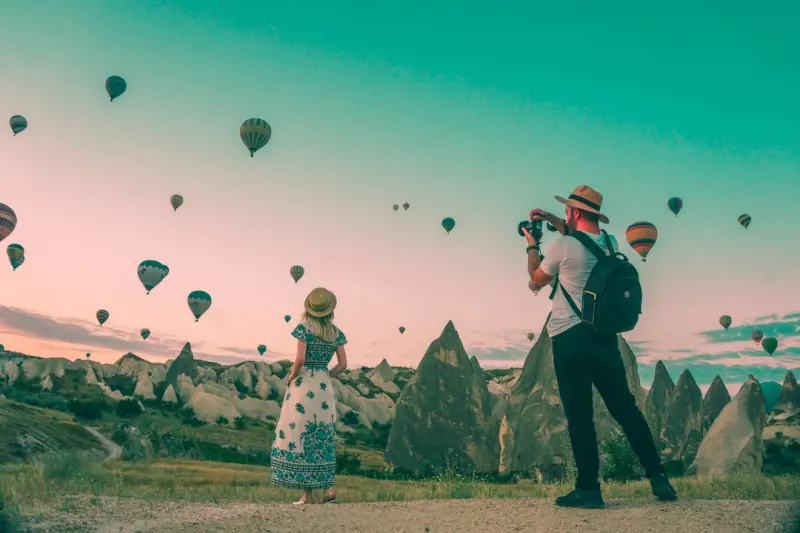
Awakening the Senses: A Fresh Lens for Modern Travel
When I first stepped off a bustling train platform in a city I’d never visited, I realized that the most unforgettable moments arrived not from checking landmarks off a list but from deliberately tuning into the chorus of aromas, flavors, sounds, textures, and colors that surrounded me, a practice that turns ordinary sightseeing into a vivid, multisensory narrative that lingers long after the journey ends; this approach invites travelers to replace the typical “see‑and‑snap” routine with a deeper, more immersive dialogue with place, encouraging curiosity about why a particular spice scent drifts from a market stall or why the rhythm of distant church bells syncs with the heartbeat of a cobblestone street. By prioritizing the senses, we grant ourselves permission to linger over the subtle perfume of fresh pine in a forested valley, to savor the lingering aftertaste of a street‑food broth that tells a story of generations, and to feel the cool stone of an ancient bridge beneath our soles, all of which collectively transform a trip into a living, breathing memory bank. In my own wanderings, I have found that this sensory‑first mindset not only enriches the travel experience but also cultivates a more respectful, attentive relationship with local cultures, fostering connections that are rooted in genuine appreciation rather than superficial observation.
The Power of Smell: Aromas as Travel Compasses
Smell, often called the “hidden sense,” wields an astonishing ability to transport us instantaneously to a specific moment or place, a phenomenon I discovered when the fragrant waft of roasted coffee beans in a narrow alleyway of a historic quarter instantly evoked images of sunrise rituals, bustling market chatter, and the warm hands of a barista carefully coaxing crema from a single‑origin brew; by deliberately seeking out these aromatic signposts—whether it’s the salty tang of sea‑spray on a cliffside promenade or the earthy perfume of pine needles after a summer rain—travelers can map their journeys through scent trails that reveal cultural nuances invisible to the eye alone. Integrating scent exploration into itineraries might involve visiting local spice bazaars, joining a perfumer’s workshop, or simply pausing to inhale the layered fragrances of a city park at dusk, each inhalation acting as a narrative thread that stitches together the sensory tapestry of a destination; such practices also empower visitors to engage respectfully with local producers, supporting artisans who keep traditional scent‑crafts alive. For those curious about weaving this olfactory curiosity into a broader adventure, the article story‑driven journeys offers inspiring examples of how guided experiences can amplify the power of scent in travel storytelling.
Taste Trails: Culinary Curiosity Beyond the Plate
While photographs capture visual splendor, the true soul of a place often resides on the tongue, where flavors act as edible archives of geography, history, and climate, a revelation that struck me during a spontaneous dinner at a family‑run eatery where each bite of a slow‑cooked stew whispered tales of ancestral migrations, seasonal harvests, and the resilient ingenuity of a community that turned humble roots into a comforting broth; by approaching food with a mindset of discovery—asking about ingredient origins, cooking techniques, and cultural significance—travelers unlock a richer dialogue with hosts, turning a simple meal into an interactive lesson in heritage. To maximize this gustatory immersion, consider participating in local cooking classes, visiting farmers’ markets at sunrise, or sharing a table with families during festive gatherings, allowing the palate to trace the storylines of terroir and tradition; these experiences not only broaden culinary horizons but also foster authentic connections that transcend transactional tourism. For a deeper dive into crafting meaningful, wellness‑focused journeys that celebrate the body as well as the mind, explore the insights offered in wellness‑focused tours, where mindful eating becomes a cornerstone of holistic travel.
Soundscapes: Listening to the Rhythm of Places
The world’s soundtrack is far more intricate than the occasional tourist‑filled chatter; it is composed of layered soundscapes—from the melodic clatter of rain on terracotta roofs to the distant hum of a ferry engine weaving through a harbor—that can guide travelers toward a deeper emotional resonance with a destination, a realization that dawned on me when I closed my eyes on a late‑night train and let the rhythmic click of wheels and the soft sigh of wind through open windows narrate a story of motion, transition, and anticipation, a narrative far richer than any guidebook description; by deliberately tuning into these ambient melodies, visitors can discover hidden gems such as street musicians whose improvisations echo local legends or the subtle cadence of prayer calls that signal communal unity. Embedding sound exploration into a trip might involve carrying a portable recorder to capture a sunrise chorus of birds, attending a local concert in an unconventional venue, or simply strolling through a market while focusing on the syncopated beats of vendors’ voices, each auditory detail adding depth to the travel journal; this practice also cultivates mindfulness, encouraging travelers to be present and appreciative of the momentary, fleeting performances that define everyday life. For those inspired to blend auditory awareness with purposeful travel, the concept of small‑scale volunteer experiences—highlighted in small‑scale volunteer experiences—demonstrates how giving back can amplify one’s attunement to the local sound environment.
Touch: Engaging the Tactile Landscape
Our hands often remain idle during travel, yet the tactile dimension of a place—whether it’s the rough texture of ancient stone walls, the silky smoothness of a handcrafted textile, or the cool moisture of a mountain stream—offers an immediate, intimate connection that transcends visual appreciation, a truth I encountered while threading my fingers along the intricate carvings of a centuries‑old cathedral, feeling each groove tell a story of artisanship and devotion that no photograph could fully convey; by seeking out tactile interactions—such as participating in pottery workshops, walking barefoot on natural sand dunes, or handling locally sourced materials—travelers embed themselves within the physical fabric of a culture, creating sensory memories that endure long after the sights have faded. Practically, this can be achieved by researching hands‑on experiences before departure, connecting with community centers that welcome visitors into craft sessions, or simply taking the time to pause and press palms against the bark of a historic tree, allowing the subtle vibrations of time to resonate through the skin; these gestures foster a respectful curiosity, inviting locals to share their heritage through the medium of touch and encouraging travelers to leave with more than just photographs, but with a palpable sense of belonging.
Vision Reimagined: Seeing Beyond the Tourist Lens
While cameras capture the grandeur of skylines and monuments, true visual appreciation arises when we train our eyes to notice the nuanced interplay of light, shadow, and color that defines a locale’s character, an insight that struck me during an early‑morning walk through a narrow alley where the sunrise filtered through stained glass, casting a kaleidoscope of hues onto weathered bricks and revealing hidden details of graffiti art that narrated contemporary social dialogues; by consciously slowing our gaze, we uncover layers of storytelling embedded in street murals, window displays, and the subtle choreography of daily life, each visual fragment contributing to a holistic portrait of place. To cultivate this heightened visual literacy, travelers can practice framing scenes that highlight contrast—such as the juxtaposition of modern skyscrapers against historic rooftops—or seek out local photographers for collaborative shoots, allowing the exchange of perspectives to broaden one’s artistic eye; this approach also respects the visual culture of a community, encouraging visitors to honor the aesthetic choices that residents embed in their environment. Embracing such a mindful visual practice ensures that every snapshot becomes a testament to the lived experience rather than a generic postcard, enriching both personal archives and the narrative shared with others upon return.
Designing a Sensory‑First Itinerary
Constructing a travel plan that honors all five senses requires intentionality, research, and flexibility, a process I refined after mapping a week‑long journey through coastal towns where each day began with a sunrise hike to inhale salty sea breezes, continued with a market visit to taste fresh oysters, included an evening of listening to local folk songs by the harbor, incorporated a pottery class to feel wet clay mold beneath fingertips, and concluded with a twilight walk to observe the shifting colors of the sky as they reflected on the water; by allocating dedicated time slots for each sensory experience, travelers avoid the rush that often leads to superficial engagement and instead foster a rhythm that mirrors the natural flow of the destination. Practical steps include creating a “sense checklist” for each destination, reaching out to local guides who specialize in culinary tours, sound walks, or craft workshops, and building buffer periods for spontaneous sensory discoveries that cannot be scheduled in advance; this flexible structure also accommodates unexpected weather changes, turning a rainy day into an opportunity to explore indoor markets, aromatic tea houses, or tactile textile studios. Ultimately, a sensory‑first itinerary transforms travel from a checklist of sights into a curated symphony of experiences, leaving travelers with a richer, more embodied memory of the places they explore.
Mindful Reflection: Integrating Sensory Memories Post‑Travel
Upon returning home, the challenge often lies in translating the rich tapestry of sensory memories into lasting inspiration rather than allowing them to fade like distant echoes, a realization that prompted me to develop a reflective practice where I revisit my travel journal, re‑read scent descriptions, replay recorded ambient sounds, and even recreate favorite recipes, thereby reinforcing the neural pathways associated with each sense and cementing the emotional imprint of the journey; this deliberate revisitation not only honors the effort invested during travel but also fuels future adventures, as the mind begins to crave the nuanced textures, flavors, and melodies once experienced. To sustain this connection, consider creating a sensory collage—a digital or physical board that pairs photos with scent notes, sound clips, and tactile samples such as fabric swatches—allowing the brain to retrieve vivid recollections with ease; sharing these collages with friends or travel communities can also inspire others to adopt a sensory‑centric approach, fostering a ripple effect of deeper, more meaningful tourism. By embedding these reflective habits into daily life, travelers ensure that the lessons learned on the road continue to shape their perspectives, encouraging a lifelong curiosity for the world’s endless sensory wonders.

Related Posts
Rediscovering Ontario: Why Prince Edward County Should Be Your Summer Destination
According to a recent survey by Context Research Group (CRG) for Destination Ontario, Ontarians are ... Read More

Dr. Oetker's Canadian Crescendo: Introducing Suprema Pizza with an Operatic Flourish
Dr. Oetker, a name synonymous with quality and innovation in the food industry, is a global giant wi... Read More
Unplug and Play: Turning Travel into a Real‑World Adventure
Explore a fresh travel approach that swaps constant connectivity for genuine moments, from analog pl... Read More
Top Posts

Mastering Visual Storytelling for Data‑First B2B Marketing
Learn why visual storytelling is essential for data‑driven B2B marketers, how to craft compelling narratives, and which tools and metrics can turn raw numbers...Read More

The Rise of Purpose‑Driven Micro‑Escapes: Redefining Travel in a Connected World
Purpose‑driven micro‑escapes are short, intentional journeys that combine personal meaning, community impact, and seamless tech, offering a fresh, sustainab...Read More

From Rural Roads to Cloud Corridors: How SaaS Is Redefining National Service Delivery
A deep dive into how SaaS tools are transforming public services across Canada—from remote towns to bustling cities—by enhancing equity, transparency, and n...Read More

Data‑Driven Farming: How Canadian Growers Are Turning Sensors Into Savings
Canadian farmers are blending tradition with technology, using soil sensors, satellite imagery, and AI decision tools to improve efficiency, reduce inputs, and ...Read More
0 Comments
Post Comment
You will need to Login or Register to comment on this post!