
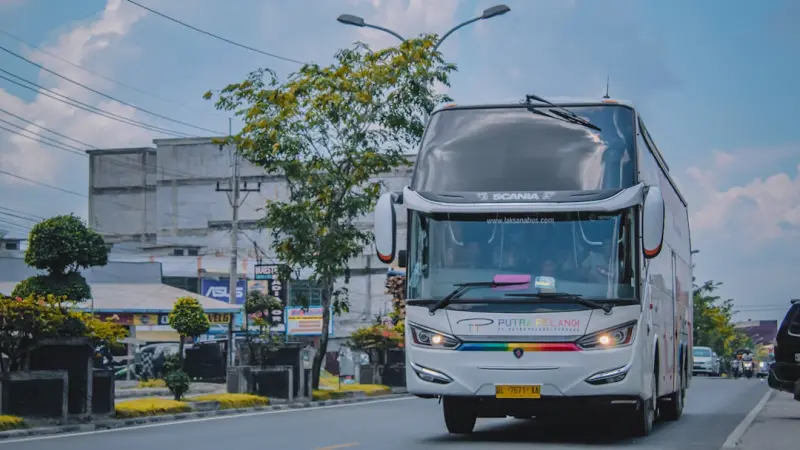
Chasing the Unscripted: How Cruises and Bus Tours Are Becoming Story‑Driven Adventures
When I first stepped onto a sleek cruise liner, I expected the usual glitter of buffets and sunrise decks, but what truly hooked me was the narrative thread woven through every shore stop. Operators are now curating itineraries that read like a novel, each port a chapter that reveals a hidden facet of local culture, from a centuries‑old pottery kiln to a family‑run fish market that still uses hand‑woven nets. The result is a journey that feels less like a checklist of attractions and more like an unfolding story where I, the traveler, become a protagonist discovering plot twists in real time. This shift toward story‑driven travel is redefining what it means to “see” a place; it invites curiosity to replace the conventional tourist’s camera flash.
Bus tours, often dismissed as the budget cousin of cruise travel, have quietly undergone a similar renaissance. Companies are swapping generic “city highlights” for immersive experiences that pair passengers with local artisans, storytellers, and even community chefs who invite them into their kitchens. Imagine a 12‑hour coach ride that ends not at a souvenir shop, but at a rooftop garden where a retired horticulturist shares the lore of heirloom tomatoes grown in volcanic soil. These narrative‑rich routes turn a simple commute into a living classroom, and the conversations sparked on the road often linger far longer than the scenery outside the window.
What drives this appetite for authenticity? Travelers today are more informed, more skeptical of polished marketing, and increasingly eager to align their vacations with personal values. The rise of social media “story” features has conditioned us to seek bite‑size, compelling moments, and the travel industry is answering with itineraries that are as much about emotional resonance as they are about geography. By embedding local voices into the travel script, cruises and bus tours create a sense of belonging that transcends the fleeting nature of a typical vacation, turning each stop into a memory that feels earned rather than purchased.
Harvesting Local Economies: The Economic Ripple Effect of Destination‑Focused Travel
Beyond the personal enrichment of immersive travel lies a powerful economic engine that benefits the communities we visit. When a cruise ship docks and its guests disembark for a market tour, the immediate boost to local vendors can be the difference between a thriving stall and a shuttered storefront. This effect multiplies when tours prioritize small‑scale producers over multinational chains, directing spend toward families who rely on seasonal harvests and handcrafted goods. The result is a sustainable loop where tourist dollars nurture the very culture that makes the destination unique.
Bus tours have the unique advantage of reaching inland towns that cruise ships never touch, shining a spotlight on hidden gems that might otherwise be overlooked. By partnering with local cooperatives, these tours can arrange visits to workshops where traditional weaving techniques are taught, allowing travelers to purchase directly from artisans rather than through intermediaries. Such direct‑to‑consumer models not only increase profit margins for creators but also preserve endangered crafts by creating a market demand that encourages younger generations to keep the traditions alive.
For travelers who enjoy turning passions into side hustles, there’s an intriguing crossover: many find inspiration on these trips to launch their own niche products or services back home. A recent article on turning hobbies into income illustrated how a traveler’s fascination with Caribbean spice blends sparked a small‑batch sauce line that now supplies local eateries. This kind of entrepreneurial ripple demonstrates how authentic travel experiences can seed new business ideas, reinforcing the economic benefits that extend well beyond the immediate destination.
Designing the Future: Sustainable Practices That Keep the Planet and the Journey in Sync
While the allure of story‑rich itineraries draws us aboard, the responsibility to protect the very environments we explore has never been clearer. Cruise lines are investing in cutting‑edge waste‑reduction technologies, such as advanced water‑treatment plants that recycle greywater for onboard gardens, and shore‑power connections that let ships plug into local grids, dramatically cutting emissions while docked. These green upgrades not only lessen the ecological footprint but also appeal to eco‑conscious travelers who demand transparency and action from the brands they support.
On land, bus operators are embracing low‑emission fleets, including electric and hybrid coaches that reduce noise and air pollution in fragile historic districts. Moreover, many tours now incorporate “leave‑no‑trace” principles, encouraging passengers to participate in beach clean‑ups or to use reusable containers during culinary excursions. By embedding sustainability into the itinerary itself, tours become a platform for education, empowering travelers to adopt greener habits long after the journey ends.
The synergy between sustainability and local economies is highlighted in articles like how tariffs can spark a local shopping revolution, which explores how policy shifts can redirect consumer spending toward domestic producers. Similarly, responsible travel can act as a catalyst, nudging governments and businesses toward greener practices that benefit both residents and visitors. When tourists prioritize eco‑friendly operators, the market response is swift: more companies adopt sustainable certifications, and destinations see a rise in conservation funding sourced directly from travel‑related revenues.
Flavor Trails: How Food Experiences Anchor Authentic Travel Stories
One of the most vivid ways a destination tells its story is through its food, and modern cruises and bus tours are leveraging this sensory language to deepen connections. Culinary stops now often include visits to community farms where travelers can harvest their own produce, followed by cooking sessions with local chefs who blend indigenous ingredients with contemporary techniques. This hands‑on approach transforms a simple meal into a cultural exchange, where flavors become narratives of soil, climate, and tradition.
For bus tours traversing inland routes, the emphasis shifts to regional specialties that rarely make the tourist radar. A stop at a small-town cheese maker, for instance, offers a tasting that showcases the unique microbiome of the local dairy farms, while a guided walk through a spice market reveals the historic trade routes that shaped the area’s cuisine. Such experiences are often documented in travel journals, turning taste memories into lasting stories that readers can savor long after the trip.
Food lovers can also take inspiration from the wild herb walks movement, which encourages foragers to explore urban green spaces for edible plants. Many tours now incorporate similar foraging segments, teaching participants to identify and responsibly harvest native herbs that chefs later incorporate into dishes. This practice not only enriches the palate but also fosters a deeper respect for local ecosystems, reinforcing the idea that sustainable travel and sustainable food are intrinsically linked.
Tech‑Enhanced Exploration: Balancing Digital Convenience with Real‑World Presence
In an age where smartphones dominate our attention, the travel industry faces a paradox: leveraging technology to enhance experiences without allowing it to eclipse genuine engagement. Modern cruise ships now offer augmented‑reality (AR) tours that overlay historic photographs onto present‑day landscapes, letting passengers visualize a port’s evolution over centuries. This blend of digital and physical storytelling deepens appreciation while still encouraging travelers to step off the deck and explore with their own eyes.
Bus tours have adopted similar innovations, such as QR‑coded plaques at heritage sites that unlock audio narratives narrated by local historians. These micro‑stories provide context that a guide might miss, yet they are designed to be optional, preserving the freedom for passengers to wander, ask questions, and form their own connections. By offering layers of information without imposing them, technology becomes a silent partner rather than a dominating presence.
Yet, the digital tide also brings challenges. Over‑reliance on apps can dilute spontaneous moments, turning serendipity into algorithmic suggestion. The key, as many seasoned travelers note, is to set intentional boundaries—designating “offline hours” where devices are stowed, and the focus returns to the sights, sounds, and conversations that truly define a journey. When used judiciously, tech acts as a compass pointing toward deeper, more authentic experiences rather than a shortcut that bypasses them.
Community‑Centric Planning: Co‑Creating Itineraries with Destination Stakeholders
One of the most progressive trends in cruise and bus tourism is the practice of co‑creating itineraries alongside local communities. Rather than imposing a top‑down schedule, operators now hold workshops with residents, cultural leaders, and small business owners to map out stops that reflect community priorities. This collaborative model ensures that tours highlight sites that matter to locals, from a community garden celebrating indigenous crops to a historic mural project revitalizing a forgotten neighborhood.
Such participatory planning not only enriches the traveler’s experience but also empowers the host community to shape its own narrative. By giving locals a seat at the table, destinations can protect sensitive cultural sites from over‑tourism while promoting lesser‑known attractions that benefit the regional economy. The result is a more balanced flow of visitors, preventing the “boom‑bust” cycles that have plagued many popular destinations.
Successful examples of this approach are often chronicled in case studies that examine how tourism can serve as a catalyst for social cohesion. These stories align with broader discussions on sustainable development, echoing the sentiment that travel should be a partnership rather than a transaction. When travelers see themselves as guests invited into a community’s story, the exchange becomes richer, more respectful, and ultimately more rewarding for both sides.
Crafting Your Own Narrative: Tips for Travelers Seeking Authentic Cruise and Bus Adventures
If you’re ready to step beyond the conventional postcard itinerary, start by researching operators that prioritize local immersion and sustainable practices. Look for tour descriptions that mention “community‑led experiences,” “artisan workshops,” or “farm‑to‑table excursions,” as these cues often signal a deeper commitment to authenticity. Reading reviews that highlight personal interactions with locals can also be a reliable indicator of a genuinely immersive program.
Next, consider the timing of your journey. Traveling during off‑peak seasons not only reduces crowd density but also aligns you with local festivals, harvest periods, or cultural celebrations that might otherwise be missed. Engaging with these events provides a rare glimpse into the rhythm of everyday life, offering stories you won’t find in guidebooks. Pack lightly, bring an open mind, and be prepared to adapt your schedule based on spontaneous invitations from residents you meet along the way.
Finally, think about how you can give back. Whether it’s purchasing a handcrafted souvenir, sharing your travel stories on platforms that spotlight ethical tourism, or even volunteering a few hours with a community project, small gestures create a ripple effect that supports the places you love. By approaching each cruise or bus tour as a collaborative adventure, you transform a vacation into a lasting narrative—one that you’ll recount for years and that helps preserve the very stories you sought to discover.

Related Posts
Sailing Green: How Cruises and Bus Tours Are Pioneering Sustainable Travel
A deep dive into the emerging sustainability movement within cruise lines and bus tour operators, hi... Read More

Sailing Meets the Road: Crafting Seamless Cruise‑Bus Adventures
Discover how merging cruise luxury with curated bus tours creates a sustainable, culture‑rich jour... Read More

Hybrid Cruise‑Bus Tours: Redefining Luxury Travel for the Modern Explorer
Hybrid cruise‑bus tours merge the comfort of cruise ships with authentic over‑land experiences, ... Read More
Top Posts

Zero‑Waste Mixology: Turning Scraps into Cocktail Gold
Explore zero‑waste mixology with Alex Moss as he turns kitchen scraps—citrus pith, herb stems, coffee grounds—into innovative cocktails, offering recipes,...Read More

Rethinking Everyday Expenses for Modern Professionals
A deep dive into the unseen drains on your budget—subscriptions, remote‑work costs, and lifestyle inflation—and actionable steps to plug the leaks and bui...Read More

Glow From Within: Harnessing Light Therapy to Supercharge Remote Work
A deep dive into how light therapy can realign circadian rhythms, lift mood, and sharpen focus for remote workers, paired with actionable nutrition, breathwork,...Read More

Digital Estate Planning: Securing Your Crypto, Cloud, and Online Legacy
Learn why traditional wills fall short for digital assets and discover practical steps, legal pitfalls, and future reforms to safeguard your online legacy....Read More
0 Comments
Post Comment
You will need to Login or Register to comment on this post!