
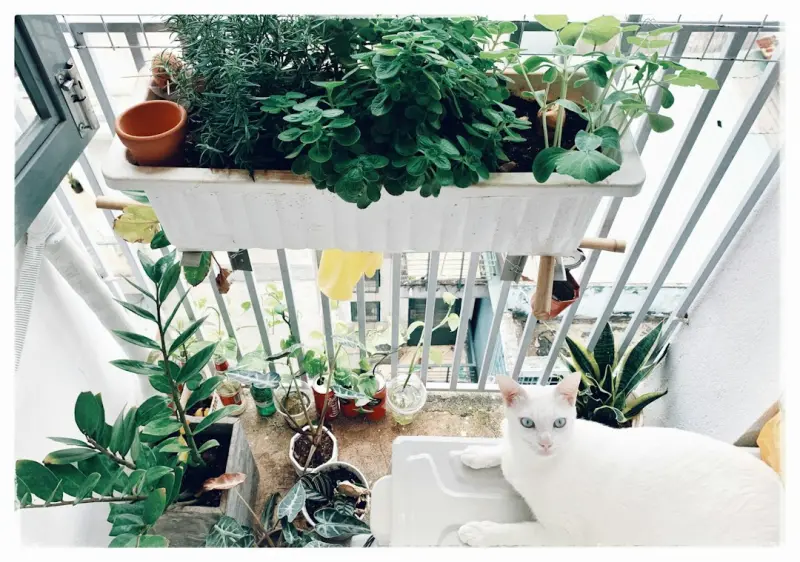
From Balcony to Table: The Micro‑Farming Revolution Shaping Modern Kitchens
Imagine stepping out onto your balcony, inhaling the bright scent of rosemary, basil, and mint, then whisking those fresh greens straight into a sizzling stir‑fry or a handcrafted cocktail. That’s not a far‑flung culinary fantasy—it’s the everyday reality for a growing community of food enthusiasts who are turning limited urban spaces into thriving micro‑farms. I’m Steven Philips, a lifelong kitchen tinkerer, and over the past few months I’ve been experimenting with balcony gardening, hydroponic kits, and even tiny vertical farms. The results? A pantry that smells like a farmer’s market, a reduced grocery bill, and a deeper connection to the food I serve.
Why Micro‑Farming Is the Next Big Bite for Foodies
Urban dwellers have long wrestled with the paradox of craving fresh, flavorful produce while living in concrete jungles. Traditional solutions—community gardens, farmers’ markets, or subscription boxes—still require a trip out the door. Micro‑farming flips the script. By bringing the garden to your doorstep, you gain:
- Immediate access to peak‑flavor herbs. Harvesting a leaf just moments before it hits the pan preserves volatile oils that supermarket produce loses days after picking.
- Control over what you grow. No pesticides, no genetically modified seeds, and the ability to choose heirloom varieties that are often unavailable in bulk.
- Zero‑waste opportunities. Trim the stems, compost the leftovers, and you’ll see the circle close on itself.
- Creative culinary experiments. Fresh herbs become the canvas for fermentations, infusions, and even novel cocktails that would be impossible with dried or store‑bought versions.
In short, micro‑farming is not just a hobby; it’s a strategic upgrade to your food system, one square foot at a time.
Choosing the Right Plants for a Compact Space
Not every plant thrives on a balcony that basks in morning sun and faces a gusty afternoon breeze. Here’s a quick cheat‑sheet of the most reliable, flavor‑intense candidates for small‑scale growers:
- Herbs: Basil, cilantro, parsley, chives, dill, thyme, oregano, and the ever‑versatile mint (keep it in a separate pot to prevent takeover).
- Leafy greens: Arugula, watercress, and baby kale—these grow quickly and can be harvested leaf‑by‑leaf.
- Microgreens: Radish, broccoli, and pea shoots. They’re ready in 7‑10 days and pack a nutritional punch.
- Edible flowers: Nasturtium, violets, and calendula add color and a peppery bite to salads and desserts.
If you’re feeling adventurous, you can even dabble in heritage grains like amaranth or quinoa, which can be grown in shallow trays and harvested for a home‑grown flour alternative.
Setting Up Your Balcony Garden: Containers, Soil, and Light
Before you buy the flashiest hydroponic system on the market, consider the basics. A sturdy, lightweight container—think recycled plastic tubs, fabric grow bags, or even repurposed wooden crates—will do the trick. Here’s my step‑by‑step:
- Choose the right size. A 10‑liter pot is ample for most herbs, while a 20‑liter container works well for leafy greens.
- Pick a high‑quality potting mix. Look for a blend that offers good drainage, aeration, and organic matter. Avoid garden soil, which can become compacted and harbor pests.
- Provide drainage. Drill a few holes at the bottom and place a saucer underneath to catch excess water.
- Mind the light. Most herbs need 6‑8 hours of direct sunlight. If your balcony is shaded, opt for low‑light tolerant varieties like mint or parsley, or invest in a modest LED grow light.
Watering is an art. The soil should stay moist, not soggy. A simple finger test—push your finger an inch deep; if it feels dry, it’s time to water.
Companion Planting: Nature’s Little Synergy Hacks
Companion planting isn’t just for sprawling farms; it works wonders in tiny spaces too. Pairing basil with tomatoes reduces fungal disease, while planting dill near lettuce repels aphids. On my balcony, I stack a vertical tower where the bottom holds basil, the middle holds thyme, and the top houses oregano. The differing root depths prevent competition and create a fragrant tiered display.
Harvesting Like a Pro: Timing Is Everything
One of the most rewarding moments is snipping a fresh leaf just before it starts to flower. For basil, pinch the top leaves once the plant reaches about 6 inches; this encourages bushier growth. Harvest cilantro by cutting the outer stems, leaving the central crown untouched. And don’t forget to “cut and come again” with greens—snip the outer leaves, and the plant will keep producing.
From Garden to Plate: Culinary Applications That Wow
Fresh herbs aren’t just garnish; they’re flavor powerhouses. Here are a few ways to integrate balcony bounty into everyday meals:
- Pesto reinvented. Swap store‑bought basil for your own, add a splash of lemon zest, and toss in toasted pumpkin seeds for crunch.
- Herb‑infused oil. Gently warm olive oil with rosemary, thyme, and a pinch of sea salt. Drizzle over roasted veg or use as a dipping sauce for fresh bread.
- Fermented herb sauces. Combine chopped cilantro, garlic, chilies, and a splash of brine, then let it sit for 48 hours. The result is a bright, probiotic‑rich condiment that can replace mayo in sandwiches. For deeper insight into the health benefits of fermentation, check out Fermented Frontiers.
- Herbal cocktails. Muddle mint and basil with citrus, then top with gin or a non‑alcoholic sparkling water for a garden‑fresh libation.
These ideas turn everyday cooking into an exploration of flavor, all thanks to the proximity of your garden.
Zero‑Waste Practices: Making the Most of Every Stem
One of the biggest frustrations for home cooks is the waste generated from herb stems and leaves that never make it into a dish. Here’s how I close the loop:
- Stem‑based stocks. Gather basil stems, thyme twigs, and parsley stems in a bag, freeze them, then simmer with water for a quick herb stock.
- Herb‑infused vinegar. Submerge stems in apple cider vinegar for a week; the result is a tangy, aromatic vinegar perfect for dressings.
- Compost. If you have a balcony-friendly compost bin, toss all trimmings and let nature do the rest.
By treating every leaf and stem as a resource, you not only cut grocery costs but also shrink your carbon footprint.
Sharing the Harvest: Building Community Through Food
Even if you live in a high‑rise, the spirit of sharing isn’t limited to a backyard. I’ve started a “Balcony Bounty Exchange” with three neighbors: we rotate surplus herbs each week, swapping basil for cilantro, or mint for rosemary. It’s a low‑effort way to diversify your pantry without spending a dime. This kind of neighborly swap mirrors the ethos of larger Shared‑Tool Libraries, where resources are pooled for collective benefit.
Future Trends: Tech Meets Micro‑Farming
While I’m a fan of low‑tech solutions, the future will likely see smart sensors that monitor moisture, light, and nutrient levels, sending alerts straight to your phone. Imagine a tiny balcony garden that knows exactly when to water itself, or an app that suggests recipes based on the herbs you have on hand. These innovations will make micro‑farming even more accessible for the time‑crunched professional.
Getting Started: A 30‑Day Action Plan
Ready to transform your balcony into a culinary powerhouse? Here’s a quick roadmap:
- Day 1‑3: Assess sunlight, choose containers, and purchase soil and starter seedlings.
- Day 4‑7: Plant herbs, water thoroughly, and set up a simple drip system if desired.
- Day 8‑14: Monitor growth, adjust watering, and begin companion planting.
- Day 15‑21: First harvest! Start experimenting with pesto, infused oils, and herb‑based cocktails.
- Day 22‑30: Implement zero‑waste practices, share surplus with neighbors, and plan for the next planting cycle.
By the end of the month, you’ll have a thriving mini‑farm, a repertoire of fresh‑herb recipes, and a stronger connection to the food you eat.
Conclusion: A Bite of Autonomy in the Urban Jungle
Micro‑farming isn’t a passing fad; it’s a pragmatic response to the modern challenges of food access, sustainability, and culinary creativity. Whether you have a sprawling balcony or a modest windowsill, the principles remain the same: grow what you love, use it thoughtfully, and share the bounty. As more of us turn our concrete balconies into fragrant gardens, we’ll collectively rewrite the narrative of what it means to eat well in the city.

Related Posts

Unlocking the Magic of Home Fermentation: From Kitchen Scraps to Flavorful Superfoods
Explore the world of home fermentation, learn essential tools, safety tips, and creative ways to tur... Read More

Sip, Savor, Sustain: How Zero‑Waste Bars Are Redefining the Cocktail Playbook
A deep dive into the zero‑waste cocktail movement, showcasing how bars are transforming scraps int... Read More
Sensing Flavor: How Sound, Light, and Aroma Are Redefining the Restaurant Experience
Restaurants are turning ambience into a competitive edge by using curated soundscapes, smart lightin... Read More
Top Posts

The Dark Side of Rural Living: A Parental Warning
Rural living can be a peaceful and serene environment, but it also poses unique challenges and dangers. As a parent, it's essential to be aware of the potential...Read More

Why Your Plate Should Look Like a Rainbow: The Science of Colorful Nutrition
A deep dive into why colorful plates matter, the science behind each hue’s nutrients, and actionable strategies—from community food networks to data‑drive...Read More

Canada Wildfires: Thousands Flee Manitoba Communities as Fires Intensify
Across Canada, the summer of 2023 has been marked by an unprecedented surge in wildfires, and the province of Manitoba is currently grappling with a particularl...Read More

Ontario’s Hidden Waters: A Thoughtful Angler’s Journey Through Quiet Lakes and Rivers
Dive into Ontario’s hidden fishing gems, blending sustainable gear, tech, and Indigenous wisdom for a truly mindful angling experience....Read More
0 Comments
Post Comment
You will need to Login or Register to comment on this post!