
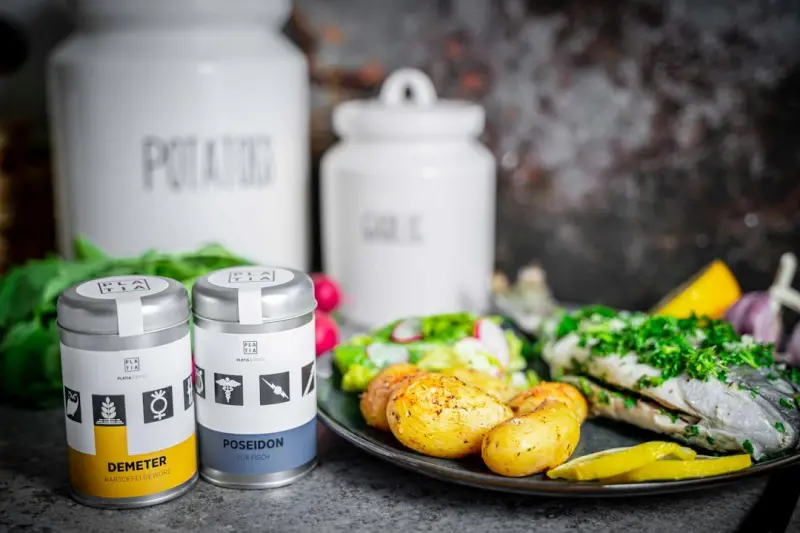
Why Fermentation is the New Frontier in Healthy Eating
When I first stumbled upon a jar of kimchi at my local farmer’s market, I expected a spicy condiment. What I discovered instead was a living, breathing ecosystem that could transform my digestion, mood, and even my creativity. Fermentation isn’t just a culinary curiosity—it’s a science‑backed strategy that rewrites the rules of what we consider “healthy foods.” In the age of instant gratification, the slow, deliberate process of fermenting vegetables, dairy, and grains offers a counter‑balance that modern bodies crave.
The Microbiome: Your Body’s Hidden Power Plant
Our gut houses trillions of microbes that act like a second brain, influencing everything from immune response to neurotransmitter production. A diverse microbiome is linked to lower inflammation, better weight management, and sharper cognitive function. Unfortunately, the typical Western diet—high in refined sugars and low in fiber—starves these microbes. Fermented foods replenish the gut with probiotic bacteria and prebiotic fibers that feed the good guys, creating a virtuous cycle of health.
Beyond Sauerkraut: Unexpected Fermented Heroes
When people think “fermented,” sauerkraut and yogurt often dominate the conversation. Yet the fermented universe is vast:
- Kombucha: A tangy tea that delivers a cocktail of organic acids, B‑vitamins, and a light dose of probiotics.
- Miso: A salty paste made from fermented soybeans, perfect for soups, marinades, and dressings.
- Tempeh: Pressed fermented soy beans that offer a firm texture and a nutty flavor, rich in protein and calcium.
- Fermented Carrots & Beets: Crunchy, vibrant veggies that add a burst of flavor to salads while feeding your gut.
Each of these foods brings a unique microbial profile, meaning you can tailor your intake to target specific health goals—whether it’s boosting immunity, easing digestion, or supporting mental clarity.
Functional Mushrooms: The Brain‑Boosting Counterpart
While fermentation feeds the gut, functional mushrooms like lion’s mane, reishi, and cordyceps nourish the brain. These fungi contain beta‑glucans and adaptogenic compounds that modulate stress responses and promote neurogenesis. Pairing fermented foods with mushroom‑infused snacks creates a synergistic duo: a happy gut that communicates efficiently with a focused mind.
For busy professionals, the rise of Snackable Plant Proteins has already changed the office pantry. Imagine a line of mushroom‑enhanced, fermented protein bars—crunchy, tangy, and brimming with brain‑friendly nutrients. This is not a distant future; small producers are already experimenting with such combos, and they’re gaining traction on health‑focused platforms.
How to Start Fermenting at Home (Even If You Have Zero Experience)
Fear not—fermentation is forgiving. Here’s a simple 3‑step starter kit:
- Choose Your Base: Begin with vegetables you love—cabbage, carrots, cucumbers, or even cauliflower. Wash, slice, and lightly salt them (about 2% of the weight). The salt draws out water, creating a brine that protects the vegetables from unwanted microbes.
- Seal and Wait: Pack the salted veggies into a clean jar, press them down until they’re fully submerged, and seal with a fermentation weight or a small zip‑lock bag filled with water. Keep the jar at room temperature (65‑75°F) for 3‑7 days, tasting daily until you hit the tang you enjoy.
- Store and Savor: Transfer the finished product to the refrigerator. The cold slows fermentation, preserving flavor and probiotic potency for months.
Don’t overlook the importance of Zero‑Waste Kitchen principles while you’re at it—use the brine as a flavorful base for dressings or soups, and repurpose vegetable scraps for stocks.
Integrating Fermented Foods Into a Busy Lifestyle
Modern schedules leave little time for elaborate meals, but fermented foods are incredibly versatile:
- Morning Boost: Add a spoonful of kefir or a few bites of fermented oats to your smoothie for a probiotic punch.
- Lunch Upgrade: Toss kimchi into a grain bowl or blend miso into a creamy soup base.
- Snack Hack: Keep a jar of fermented veggies at your desk; they’re low‑calorie, crunchy, and satisfying.
- Dinner Finale: Finish your plate with a drizzle of fermented hot sauce or a side of tempeh sautéed with garlic.
Because the microbes are alive, the health benefits are most potent when the foods are consumed fresh. A quick refrigerator dip can turn a bland salad into a gut‑friendly masterpiece.
Science Spotlight: The Gut‑Brain Axis
Researchers are increasingly uncovering the bidirectional communication between the gut microbiome and the central nervous system—a pathway known as the gut‑brain axis. Certain probiotic strains produce gamma‑aminobutyric acid (GABA), a neurotransmitter that calms the nervous system. Others generate short‑chain fatty acids (SCFAs) that reduce inflammation, a known contributor to mood disorders.
Clinical trials have shown that regular consumption of fermented foods can lower cortisol levels and improve self‑reported mood scores. Pair this with the neuroprotective compounds in functional mushrooms, and you have a recipe for a resilient mind in a chaotic world.
Fermentation Meets Sustainability
Beyond personal health, fermentation is an eco‑friendly practice. It extends the shelf life of produce, reducing food waste—a major contributor to greenhouse gas emissions. By fermenting surplus vegetables, you’re turning potential waste into nutrient‑dense food. Moreover, the process requires minimal energy—no ovens, no stovetops, just ambient temperature.
When communities adopt shared fermentation workshops, they not only preserve cultural food traditions but also foster local resilience. Think of a neighborhood “ferment club” where members bring seasonal produce, exchange starter cultures, and learn the art together. This communal approach echoes the spirit of Shared‑Tool Libraries, but with a delicious, health‑focused twist.
Addressing Common Misconceptions
“Fermented foods are only for the health‑obsessed.” Wrong. The flavor depth they add can elevate any dish, making meals more enjoyable for everyone.
“Fermentation is dangerous because of harmful bacteria.” When you follow proper salt ratios and keep equipment clean, the acidic environment naturally inhibits pathogens. In fact, the lactic acid produced during fermentation is a natural preservative.
“I’m allergic to dairy, so I can’t enjoy probiotics.” Fermented foods span many categories—vegetables, beans, fruits, and teas—so you can find a probiotic source that fits your dietary needs.
Building a Fermented Food Routine That Sticks
Consistency is key. Here’s a weekly plan you can adapt:
- Monday: Prep a batch of kimchi or sauerkraut for the week.
- Wednesday: Add a spoonful of kefir to your morning oatmeal.
- Friday: Swap a regular snack for a mushroom‑enhanced fermented bar.
- Weekend: Experiment with a new fermentation—perhaps kombucha or miso soup.
Track your energy levels, digestion, and mood in a simple journal. Over a few weeks, you’ll likely notice subtle but meaningful improvements, reinforcing the habit.
Future Trends: Fermentation in Tech‑Enabled Food Systems
While I’m steering clear of the AI‑driven kitchen narrative, it’s impossible to ignore how technology is democratizing fermentation. Small‑scale starter kits now come with smart pH sensors that send alerts to your phone when your batch reaches optimal acidity. This convergence of tradition and tech ensures that even novices can achieve reliable results, making fermented foods an accessible staple for the masses.
Final Thoughts: A Call to Ferment Your Life
The healthiest foods aren’t always the newest superfood powders or the trendiest snack packs. Sometimes, they’re the ancient practices that honor the living nature of food. By embracing fermentation and pairing it with functional mushrooms, you’re investing in a gut‑brain ecosystem that supports resilience, focus, and joy.
So, next time you’re at the grocery store, grab a jar of kimchi, a block of tempeh, or a bottle of kombucha. Bring them home, start a small batch, and watch—not just the flavors evolve—but also the way you feel, think, and move through the day. Your gut will thank you, and your brain will feel the difference.

Related Posts
Sprouting Secrets: Turning Seeds into Supercharged Snacks
Learn the science, steps, and creative uses of sprouting to create nutrient‑rich micro‑greens at... Read More
Fermented Foods: A Kitchen Journey to Gut Health and Zero‑Waste Living
Explore the art of fermentation—from sauerkraut to kombucha—and learn how these probiotic foods ... Read More

Unlock Peak Performance with a Color‑First Eating Strategy
A practical guide to using the colors of nature—red, orange, blue, green—to fuel sustained energ... Read More
Top Posts

Celebrating Without Stress: A Fresh Take on Prom & Graduation Night
Learn how to navigate prom and graduation with calm confidence using planning shortcuts, supportive peer groups, and mindful rituals for a stress‑free celebra...Read More

Casting Calm: Ontario Anglers Turn Fishing Into Mindful Therapy
Ontario anglers are redefining the pastime, using fishing as a mindful practice to boost mental health, adopt sustainable gear, and build supportive communities...Read More

Why Canada’s National Broadband Push Is a Game‑Changer for SaaS Growth
Canada’s nationwide broadband upgrade isn’t just a public‑policy win—it’s a strategic lever for SaaS companies. This post explains how improved connec...Read More

The Unseen Struggles of Rural Marketing: A Call for Authenticity
Rural marketing requires a deep understanding of the local context and a willingness to listen and learn. Learn how businesses can prioritize authenticity and c...Read More
0 Comments
Post Comment
You will need to Login or Register to comment on this post!