
Strolling the City for Wild Flavors
When the morning light glints off brick sidewalks, I lace up my boots and let curiosity guide my steps, hunting for the subtle green crowns of dandelion, the peppery sting of wild mustard, and the earthy perfume of chickweed tucked between cracks in the pavement; each find feels like a secret handshake with the neighborhood, a reminder that culinary treasure isn’t confined to farmer’s markets or grocery aisles. I gather these humble greens in a woven basket, washing them in cool rainwater to preserve their crisp vitality, then I pause to imagine how their raw brightness can cut through the richness of a slow‑cooked stew or lift a simple grain bowl into a celebration of season. This practice, a blend of mindful walking and intuitive cooking, reshapes my relationship to the city, turning ordinary streets into a sprawling, edible garden that feeds both body and imagination.
Building a Seasonal Pantry from Foraged Finds
Back at home, my pantry transforms into a living archive, where dried nettles sit beside sun‑dried mushrooms, and jars of lavender‑infused olive oil stand as fragrant testimony to the week’s discoveries; I dry herbs on a reclaimed wooden rack, store them in reclaimed glass jars, and label each with hand‑written tags that double as tiny works of art, turning organization into a ritual that honors the plants’ journey from wild to table. The process of curing wild berries into tangy jams or coaxing the bitter greens into a silky pesto invites a dialogue between tradition and improvisation, allowing me to experiment with flavor pairings that would never appear in a supermarket recipe card. Over time, this evolving stash becomes a culinary compass, pointing me toward dishes that echo the shifting climate of the city, from bright citrus‑kissed salads in summer to hearty root‑based braises when the leaves turn amber.
From Foraged Greens to Soul‑Warming Broths
There is a quiet magic in simmering a pot of broth that began its life as a handful of wild leaves, a few shards of oak bark, and the remnants of yesterday’s roasted carrots, letting the flavors meld over low heat while the kitchen fills with an earthy aroma that feels both ancient and profoundly modern; I add a splash of apple cider vinegar to coax minerals from the bones, a handful of seaweed for umami depth, and a pinch of sea salt harvested from local coastal workshops, creating a base that sings with layers of complexity. Once the broth is ready, I strain it through a fine muslin cloth, preserving the clear, golden liquid, then I ladle it over a bowl of barley, fresh foraged mushrooms, and a drizzle of upcycled cocktail techniques‑infused herb oil, turning a simple soup into a narrative of the city’s hidden ecosystems. This ritual not only nourishes the body but also grounds me in the cyclical rhythm of gathering, cooking, and sharing, turning every spoonful into a meditation on abundance.
Flavor Pairing with Local Natural Wines
When the pantry is stocked and the broth is simmering, I turn my attention to the glass, seeking a natural wine that mirrors the untamed spirit of the foraged ingredients; a lightly sparkling, low‑intervention cider from a nearby orchard, its crisp acidity echoing the bite of wild mustard, or a rustic orange‑wine whose honeyed notes complement the earthiness of dried nettles, become perfect companions that elevate the dining experience without overpowering the subtlety of the greens. I swirl the glass, inhale the bouquet of wildflowers and stone fruit, then take a sip before the first bite, letting the flavors converse and discover harmony, a practice that transforms the meal into a sensory dialogue between the land and the vine. This intentional pairing celebrates the locality of both produce and pour, reinforcing a sense of place that feels especially resonant in a bustling urban environment where connections to terroir are often hidden.
Community Tables: Sharing the Forage Harvest
Every month, I host a modest gathering in my balcony garden, inviting neighbors, friends, and curious strangers to sample the bounty of the season, laying out platters of pickled chickweed, wild herb focaccia, and a communal bowl of the broth that has become our collective story; each guest contributes a story about the street corner where they first spotted a particular plant, turning the act of eating into an exchange of urban lore and personal memory that deepens our sense of belonging. We pass around a handwritten map of our foraging routes, encouraging newcomers to venture out and discover their own hidden patches, while a small donation goes toward a community seed library that preserves heirloom varieties for future foragers. This ritual of shared sustenance not only builds culinary confidence but also weaves a social fabric where food becomes the thread that ties disparate lives together in a city that often feels impersonal.
Preserving the Wild: Simple Pickling Adventures
One of my favorite ways to extend the life of a bountiful foraging day is to slip the freshly harvested greens into quick‑pickles, a process that marries the crisp bite of the raw plant with a tangy brine seasoned with mustard seeds, coriander, and a splash of locally sourced apple cider; the jars sit on the windowsill, their colors deepening as the flavors meld, and within a few days they become vibrant accompaniments that can brighten a sandwich, a grain bowl, or a simple cheese plate. I learned the basics of this technique from a friendly neighborhood elder who taught me that the key lies in balancing acidity and salt while respecting the delicate texture of wild leaves, a lesson that has turned my kitchen into a laboratory of experimentation where every new herb offers a fresh canvas. By sharing these pickles with friends and at community markets, I spread the story of the city’s edible undergrowth, inviting others to appreciate the subtle complexity that lies beyond the cultivated fields.
Mindful Cooking: The Rhythm of Seasons
Cooking with foraged ingredients invites a rhythm that mirrors the natural cycles of the city, prompting me to plan menus around the bloom of spring nettles, the burst of summer berries, and the hearty roots that emerge in autumn, each phase demanding a different technique—light sautés, slow braises, or bright salads—that honors the intrinsic energy of the plant; I keep a seasonal notebook where I sketch the foliage, note the weather conditions of the day, and jot down flavor pairings that worked, turning the kitchen into a living diary that evolves with each harvest. This practice encourages patience, as I wait for the perfect moment to harvest, and gratitude, as I taste the culmination of months of observation in a single bite, fostering a deeper respect for the land that persists beneath concrete and steel. The mindfulness cultivated at the stovetop spills over into daily life, reminding me to pause, breathe, and savor the fleeting beauty of each season.
Future Horizons: Urban Foraging as Culinary Innovation
Looking ahead, I envision a city where rooftops, vacant lots, and even subway tunnels become curated ecosystems designed to support edible wild plants, a vision that aligns with emerging movements toward sustainable food systems and biodiversity in urban planning; partnerships with local schools could turn lessons in biology into hands‑on foraging workshops, while tech‑savvy apps might map safe foraging zones, providing real‑time updates on plant health and legal guidelines. By integrating these practices with traditional culinary education, we can nurture a generation of chefs who see the street as a pantry, capable of crafting menus that are both inventive and rooted in ecological stewardship, a concept that resonates with the growing desire for food that tells a story of place and purpose. As we continue to explore and celebrate the untamed flavors that grow beneath our feet, we not only enrich our plates but also forge a resilient, community‑driven food culture that thrives amid the concrete jungle.

Related Posts

From Compost to Cocktail: Crafting Zero‑Waste Drinks That Delight the Palate
Discover the art of zero‑waste mixology: turn citrus peels, herb stems, and coffee grounds into fl... Read More
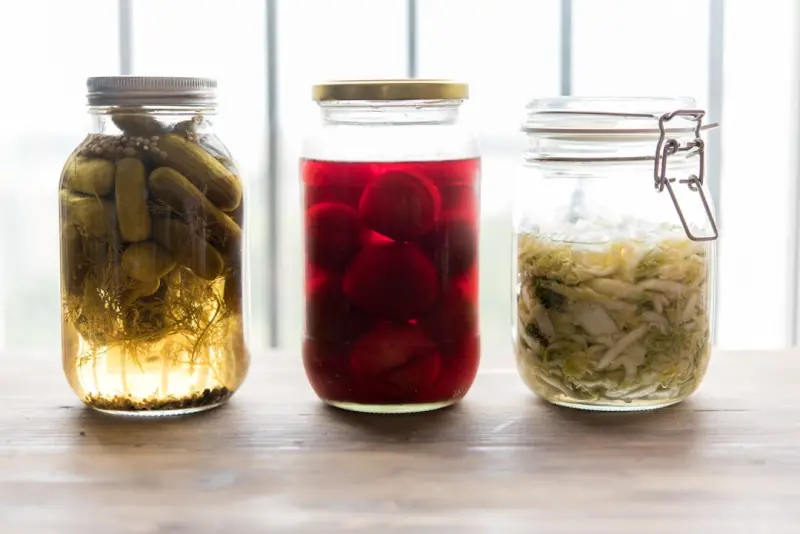
Fermented Cocktails: Turning Microbes Into Mixology Magic
Explore the art of fermented cocktails—learn the science behind the process, step‑by‑step reci... Read More

Edible Packaging: Turning Waste Into Flavorful Food Wraps
Explore the rise of edible packaging—from seaweed cups to herb‑infused wraps—and learn how it ... Read More
Top Posts

Turning Customer Churn into a Growth Engine: A Playbook for B2B SaaS Leaders
Churn isn’t just loss—it’s a hidden asset. This playbook shows B2B SaaS leaders how to turn departing customers into product insights, proactive success t...Read More

Unlock Hidden Profits: How Micro‑Revenue Streams Can Future‑Proof Your Business
Learn to identify, price, and launch micro‑revenue streams from underused assets, turning hidden value into a steady, resilient income source....Read More
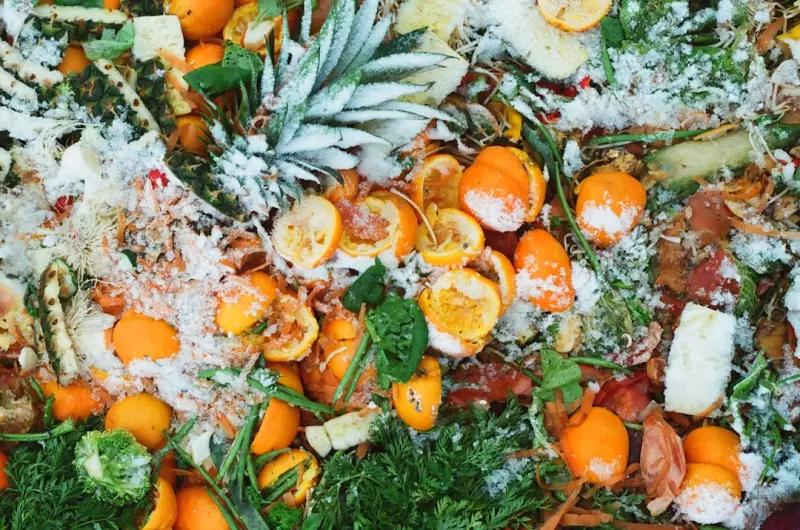
Fermenting the Future: Turning Kitchen Scraps into Culinary Gold
Explore the art of home fermentation, turning everyday kitchen scraps into vibrant, probiotic-rich dishes. Learn tools, recipes, and sustainable practices that ...Read More
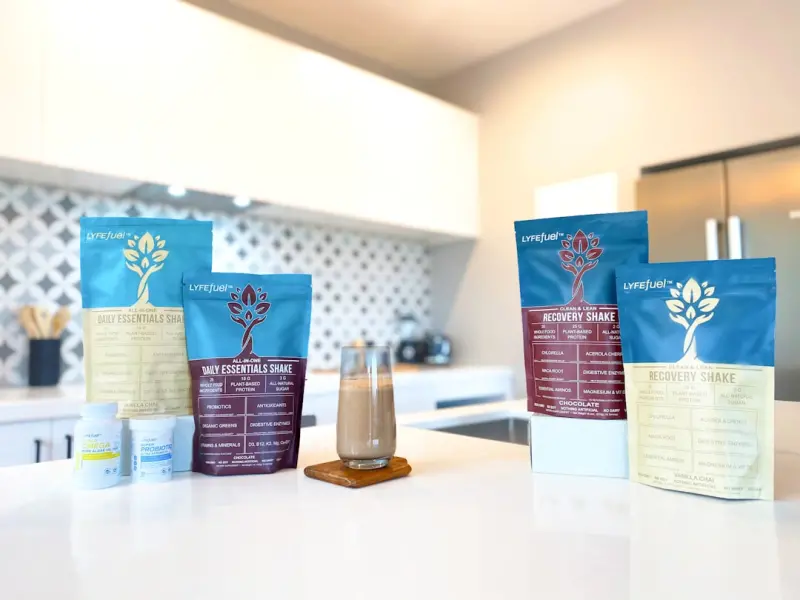
Unlocking the Power of Seasonal Superfoods for Everyday Vitality
Explore fresh, seasonal superfood swaps, pantry essentials, and mindful eating habits that turn ordinary meals into powerful tools for lasting health and vitali...Read More
0 Comments
Post Comment
You will need to Login or Register to comment on this post!