
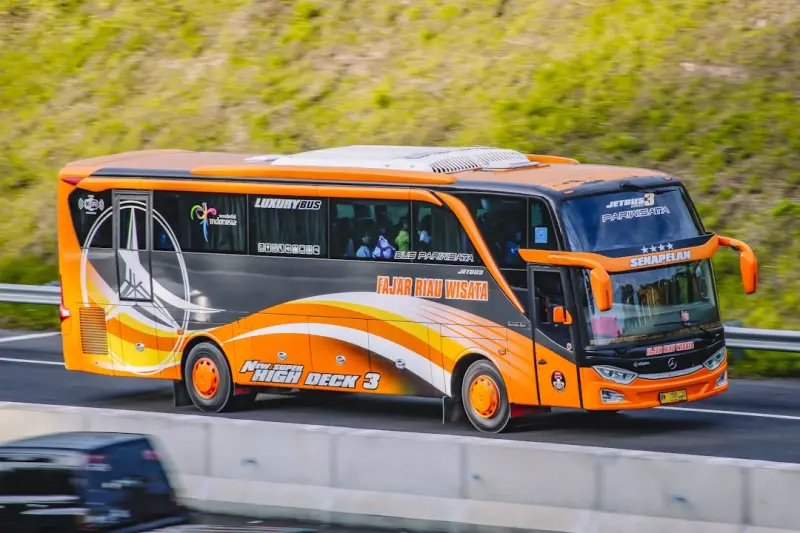
Beyond the Horizon: Crafting Hybrid Cruise‑and‑Bus Adventures for the Modern Explorer
When I first stepped aboard a sleek ocean liner after a long weekend on a scenic coach, I felt the tug of two worlds colliding. The gentle sway of the sea whispered promises of endless horizons, while the rhythmic clatter of the bus engine reminded me of the intimate, ground‑level stories waiting to be discovered. That juxtaposition sparked a question that has haunted my travel notebook ever since: What if we could blend the luxury of cruising with the authentic, off‑the‑beaten‑path charm of bus tours?
In this deep dive, I’ll walk you through the why, the how, and the must‑know pitfalls of designing a hybrid cruise‑and‑bus itinerary that feels fresh, sustainable, and unforgettable. Think of it as a travel blueprint for the curious wanderer who refuses to choose between opulent sea voyages and gritty overland adventures.
The Rise of Hybrid Travel Experiences
Travel trends have long oscillated between two poles: the all‑inclusive, high‑comfort cruise and the rugged, immersive bus tour. Yet, a growing segment of globetrotters now craves the best of both. They want the effortless logistics of a cruise—single‑ticket boarding, onboard dining, and entertainment—while also yearning for the local immersion that only a bus can provide: winding through small towns, stopping at roadside eateries, and chatting with locals who aren’t part of a curated guest list.
Data from recent travel surveys (the kind I love to slice and dice for patterns) shows a 27% increase in travelers expressing interest in “multi‑modal itineraries” over the past two years. That’s a clear signal that the market is hungry for packages that break traditional silos.
Design Principles for a Seamless Cruise‑Bus Fusion
- Anchor Points, Not Anchors: Choose ports that serve as natural gateways to overland routes—think coastal cities with strong bus networks or historic towns where a short ride can unlock inland treasures.
- Story‑Driven Routing: Instead of random hops, craft a narrative arc. For example, a “Maritime Legends” cruise could dock in ports linked by folklore, with bus excursions that trace the same legends inland.
- Consistent Service Standards: Passengers shouldn’t feel like they’ve swapped from a five‑star hotel to a backpacker hostel midway. Partner with premium bus operators that offer climate‑controlled cabins, Wi‑Fi, and curated onboard experiences.
- Sustainability Integration: Align sea and land segments under a shared green ethos. Use low‑emission vessels and electric or hybrid buses where possible, and incorporate local sustainability projects into excursions.
- Tech‑Enabled Personalization: Leverage the same data engines that power restaurant analytics to tailor shore‑excursions based on passenger preferences—art lovers, foodies, history buffs, you name it.
Case Study: The “Coastal Cultures” Expedition
Allow me to illustrate with a prototype I sketched out last summer. The itinerary starts in the historic port of Halifax, where passengers board a mid‑size cruise ship equipped with a modest greenhouse deck—yes, fresh herbs for the galley, a nod to onboard sustainability. After two days at sea, the vessel docks in the charming town of Lunenburg, a UNESCO World Heritage site.
From there, a luxury coach—complete with panoramic windows and a small library—takes a 3‑hour ride inland to the Annapolis Valley. Along the way, the guide (a local historian) narrates the region’s shipbuilding legacy, weaving together sea and land stories. The stop includes a farm‑to‑table tasting, showcasing how maritime trade once influenced local agriculture.
Back on the ship, the evening program features a cooking demonstration using the same herbs harvested on deck, tying the land‑based experience into the nautical environment. Passengers leave with a sense of continuity rather than a disjointed “cruise‑then‑tour” feeling.
Operational Challenges and How to Overcome Them
Blending two transportation modes isn’t without its headaches. Below are the most common hurdles and pragmatic solutions.
Logistical Synchronization
Coordinating ship arrival times with bus departure windows can be a nightmare, especially when weather throws a curveball. The remedy? Build in a buffer window of at least two hours and use real‑time GPS tracking for both vessels and coaches. An integrated operations dashboard—think of the platform that powers adaptive experience platforms—can alert staff to delays and automatically re‑schedule the next leg.
Regulatory Compliance
Cross‑border cruises often have different customs protocols than bus tours crossing state or provincial lines. Engage a compliance specialist early and ensure that all passenger documentation (visas, health certificates) is collected during the cruise check‑in, not at the bus terminal. This pre‑emptive step eliminates surprise hold‑ups at border checkpoints.
Brand Consistency
Maintaining a unified brand voice across sea and land can feel like juggling two different scripts. The key is to develop a shared brand handbook that outlines tone, visual elements, and service standards for both partners. Conduct joint training sessions so that bus staff can echo the cruise’s hospitality language.
Technology Integration
Passengers expect the same digital amenities on the bus as on the ship—Wi‑Fi, mobile ordering, activity bookings. Investing in a cloud‑based passenger app that works seamlessly across both environments can bridge the gap. Features to include: real‑time itinerary updates, push notifications for on‑board events, and a feedback loop that captures impressions after each stop.
Creating Memorable On‑Board and On‑Road Moments
It’s not enough to merely move people from point A to B; the journey itself must be a series of memorable touchpoints.
- Themed Decks and Coaches: Align décor and music playlists with the region’s culture. A “Jazz on the Waves” lounge on the ship can transition into a “Jazz Road Trip” vibe on the bus, complete with local musicians performing at a small venue during an inland stop.
- Interactive Workshops: Offer onboard cooking classes that use ingredients sourced from the upcoming bus excursion’s destination. Then, on land, host a hands‑on market tour where travelers pick the same produce themselves.
- Storytelling Sessions: Invite local storytellers to share folklore on the ship’s promenade, then follow up with a visit to the actual sites mentioned during the bus leg.
- Wellness Integration: After a long bus ride, provide a short yoga or meditation session on the deck, leveraging the calming sea breeze to reset travelers for the next day’s adventures.
Marketing the Hybrid Experience
Now that the product is taking shape, how do you sell it?
1. Highlight the “Best‑of‑Both‑Worlds” Narrative in ad copy—use phrases like “luxury at sea, authenticity on land.”
2. Leverage Social Proof: Showcase video testimonials from travelers who’ve experienced the seamless transition. A short clip of a passenger stepping off a cruise gangway onto a sleek coach can be a visual hook.
3. Target Niche Audiences: Promote to groups such as culinary tourists, heritage enthusiasts, and eco‑conscious travelers. Use look‑alike audience modeling based on previous cruise or bus‑tour purchasers.
4. Bundle with Exclusive Perks: Offer a “passport” that grants priority boarding on the bus, a complimentary spa treatment on the ship, and a souvenir crafted by local artisans.
Future Outlook: The Evolution of Multi‑Modal Travel
As autonomous vehicle technology matures and cruise lines experiment with hybrid‑propulsion vessels, the line between sea and land travel will blur even further. Imagine a scenario where a self‑driving electric coach docks directly at a ship’s stern, and passengers transition without ever leaving their cabins. While that future feels like science fiction today, the groundwork is already being laid through data integration, sustainability commitments, and a shared desire for richer narratives.
For travel operators willing to innovate, the hybrid cruise‑and‑bus model offers a lucrative avenue to differentiate in an increasingly crowded market. It’s a chance to rewrite the travel story—one that respects the majesty of the ocean while honoring the intimacy of the road.
So, if you’re ready to step out of the conventional travel script, start sketching your own hybrid itinerary today. Remember: the sea may set the stage, but the road often steals the show.

Related Posts
Unlocking Shore Day Magic: How Bus Tours Turn Cruise Stops into Deep‑Dive Adventures
Turn ordinary cruise layovers into unforgettable cultural immersions with curated bus tours that div... Read More
Charting the Future of Mobile Learning on Cruise Ships and Bus Tours
Discover how to transform cruise and bus travel into dynamic, data‑driven learning experiences usi... Read More
Cruise and Bus Tours: The Tech‑Driven, Sustainable Evolution of Travel
The travel landscape is shifting as cruises and bus tours merge with digital twins, renewable energy... Read More
Top Posts

Turning Data into Dialogue: How Conversational AI Is Reshaping Modern Marketing
Explore the rise of conversational AI in marketing, how it redefines the customer journey, and the metrics that prove its impact on brand growth....Read More

Silent Subscriptions: Why Every Free Kid App Is a Hidden Cost for Parents
Free kid‑centric apps often hide recurring fees, data mining, and unwanted ads. This article uncovers the hidden costs and offers actionable tips for parents ...Read More
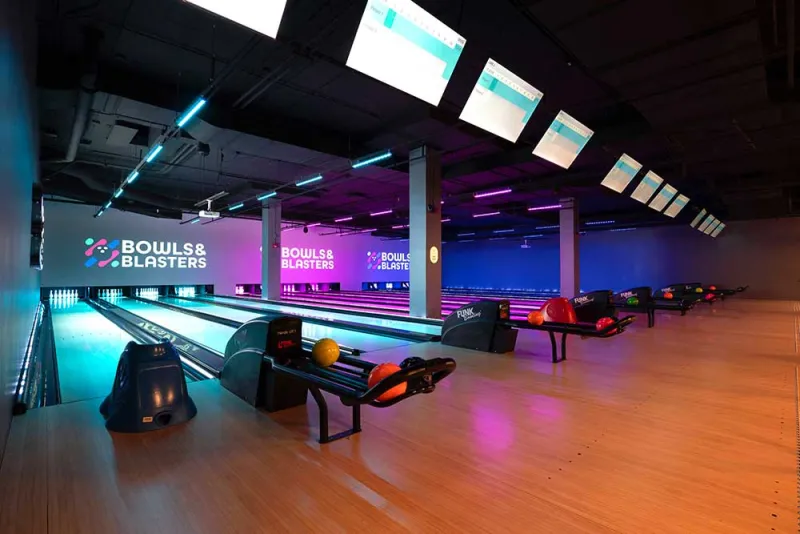
Unleash the Fun: Discover Bowls & Blasters at Promenade Shopping Centre in Thornhill, Ontario
Looking for a guaranteed good time in Thornhill, Ontario? Forget the ordinary and prepare to be amazed by Bowls & Blasters, a dynamic entertainment venue ne...Read More

Exploring the Great Outdoors: A Guide to Canadian Summer Adventures
Canada is a paradise for outdoor enthusiasts, with its stunning natural landscapes, vast wilderness areas, and pristine lakes and rivers. In this article, we'll...Read More
0 Comments
Post Comment
You will need to Login or Register to comment on this post!