
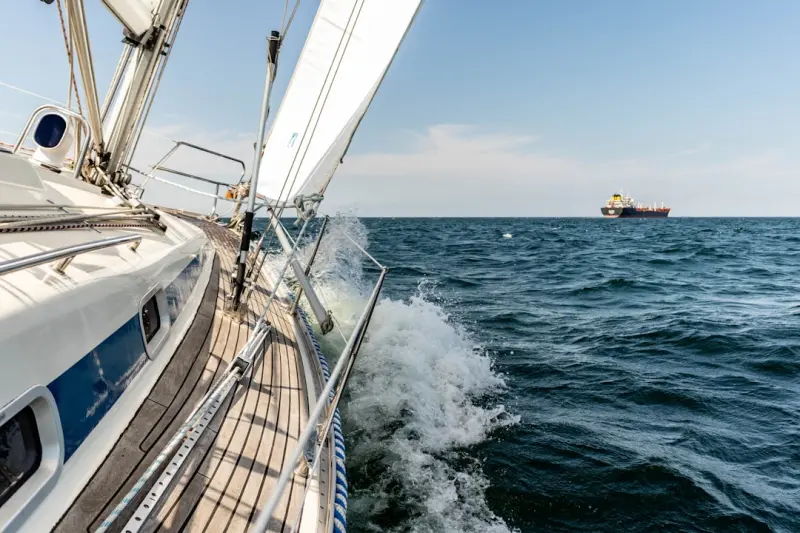
Why Business Leaders Are Turning to Boutique Cruises and Curated Bus Tours
When I first stepped onto a sleek, mid‑size cruise ship for a client‑focused retreat, I expected the usual conference‑room shuffle, a few cocktail hours, and a cramped schedule. What I found was a floating sanctuary designed for deep collaboration, cultural immersion, and genuine human connection. That experience sparked a shift in my own consulting practice: I began to see boutique cruises and thoughtfully programmed bus tours not as luxury add‑ons, but as strategic platforms for high‑impact business gatherings.
The Rise of Intimate Cruise Experiences
Traditional mega‑cruises have long catered to vacationers seeking endless entertainment options. In contrast, boutique cruise operators are carving out a niche that prioritizes intimacy, flexibility, and purpose‑driven itineraries. These vessels typically host fewer than 150 guests, allowing for:
- Tailored programming: Every workshop, speaker session, or networking hour can be scheduled around the ship’s route and the host’s objectives.
- Seamless transitions: With dining, meeting spaces, and accommodation all on the same platform, participants spend less time commuting and more time engaging.
- Curated cultural stops: Ports of call are selected for their relevance to the meeting’s theme—think a tech summit docking in a city renowned for innovation or a sustainability workshop in a coastal town leading renewable projects.
What truly sets these cruises apart is the ability to blend work and play without the usual friction. A morning strategy session can be followed by a guided shore excursion that reinforces the day’s insights, turning abstract ideas into tangible experiences.
Designing a Purpose‑Driven Bus Tour
Bus tours often get a bad rap for being “just transportation.” Yet, when designed with intention, they become moving classrooms. Imagine a multi‑day journey across a region where each stop aligns with a specific learning objective:
- Industry immersion: Visiting a cutting‑edge manufacturing hub while discussing operational excellence.
- Community engagement: Partnering with local entrepreneurs for round‑table discussions that surface fresh market perspectives.
- Wellness interludes: Scheduled mindfulness breaks at scenic viewpoints to boost mental clarity and team cohesion.
The key is to view the bus itself as a flexible meeting room. Modern coaches now boast high‑speed Wi‑Fi, modular seating, and built‑in presentation tools, turning the journey into an active part of the agenda rather than a passive commute.
Sustainability and Local Partnerships
Corporate responsibility is no longer a checkbox; it’s a driver of brand perception and talent attraction. Both boutique cruises and curated bus tours can amplify a company’s sustainability narrative when they embed eco‑friendly practices into their core design.
On the water, operators are adopting greener propulsion systems, reducing single‑use plastics, and sourcing local, seasonal cuisine. By highlighting these efforts during on‑board briefings, companies can showcase their own commitment to responsible travel.
On land, partnering with local suppliers for catering, transportation, and experiential activities supports regional economies and reduces carbon footprints. One effective approach is to map the supply chain of every service used during the tour, ensuring transparency and ethical sourcing. For deeper insight into how supply‑chain visibility can unlock value, see Supply chain visibility.
Technology Enhancements Without Over‑Data
While it’s tempting to flood participants with apps, dashboards, and real‑time analytics, the most memorable experiences often come from purposeful simplicity. Instead of overwhelming travelers with metrics, consider:
- Digital itineraries: A concise, mobile‑friendly schedule that updates automatically if a port change occurs.
- Interactive content hubs: A single portal where attendees can access speaker decks, pre‑read materials, and post‑event surveys.
- Gamified learning: Light‑hearted challenges that encourage participants to explore the destination and apply session insights in real time.
This balanced tech approach keeps the focus on human interaction while still delivering the data needed to evaluate outcomes.
Measuring Success: From Insight to Action
ROI for experiential gatherings can be elusive, but with clear metrics it becomes tangible. Here are four pillars to assess:
- Engagement depth: Track session attendance, participation rates in breakout discussions, and interaction levels during shore excursions.
- Learning retention: Deploy short quizzes or reflective prompts immediately after key sessions to gauge knowledge absorption.
- Network expansion: Measure new connections formed via post‑event surveys—both internal collaborations and external partnerships.
- Business impact: Align the retreat’s objectives with measurable outcomes, such as accelerated project timelines, new product concepts, or improved client satisfaction scores.
By tying each of these data points back to the organization’s strategic goals, leaders can justify the investment and iterate on future itineraries.
Practical Tips for Planners
Whether you’re orchestrating a three‑day cruise or a week‑long bus circuit, the following checklist can streamline the process:
- Define a single, compelling theme: A focused narrative (e.g., “Innovating Sustainable Supply Chains”) ensures every activity reinforces the core message.
- Leverage local expertise: Collaborate with regional guides, industry leaders, and cultural institutions to add authenticity.
- Build in flexibility: Allow buffer time for unexpected opportunities—like a spontaneous workshop with a local startup.
- Integrate wellness moments: Short meditation or movement breaks keep energy levels high and foster creativity.
- Choose the right accommodation mix: For cruises, select cabins that encourage networking (e.g., shared balconies). For bus tours, opt for boutique hotels that promote social spaces.
- Consider membership‑based hospitality offers: Some operators now provide recurring‑guest programs that include perks such as priority boarding or exclusive shore experiences. Learn more about how these models are reshaping the industry in membership‑based hospitality offers.
Storytelling on the Move: Real‑World Examples
Case Study 1 – A Tech Firm’s Innovation Cruise
A mid‑size software company booked a boutique vessel for a 5‑day “Future of AI” retreat. Each day’s agenda paired a keynote with a hands‑on workshop, followed by a port visit to a local AI research lab. The result? Participants left with two prototype concepts, a pipeline of potential partners, and a refreshed corporate culture that prized experimentation.
Case Study 2 – A Financial Services Bus Tour
A regional bank organized a 4‑day bus tour through emerging markets, stopping at community banks, fintech incubators, and regulatory bodies. By embedding live case studies into the journey, the bank’s leadership team identified three actionable strategies to expand their digital services portfolio, ultimately increasing market share by 7% within a year.
Conclusion: Making the Journey the Destination
The power of boutique cruises and curated bus tours lies in their ability to transform a routine meeting into an immersive adventure. When you blend purposeful programming, sustainable practices, and measured technology, you create a fertile ground for creativity, collaboration, and lasting impact.
As a consultant who has witnessed the shift firsthand, I encourage you to look beyond static conference rooms and consider the open horizon—whether it’s the gentle roll of a ship or the winding road through a vibrant landscape. The journey, when designed with intention, becomes the most compelling catalyst for business growth.

Related Posts
Beyond Sightseeing: Turning Cruise Port Stops and Bus Tours into Story‑Rich Adventures
Learn to turn ordinary cruise shore stops and bus routes into vivid, story‑driven experiences—mi... Read More
Rediscovering the Charm of Rural Tourism: A Journey Off the Beaten Path
Explore the best of rural America and discover the charm of small towns and countryside destinations... Read More
Charting Connection: How Community‑Focused Cruises and Bus Tours Redefine the Travel Experience
Discover the hidden magic of group voyages—where sensory richness, proactive wellness, and communi... Read More
Top Posts

Beyond the Mortgage: Uncovering Hidden Homeownership Expenses
Homeownership costs more than a mortgage. Explore hidden maintenance, renovation, and seasonal expenses, plus smart ways to budget and save for a stress‑free ...Read More
Why Convenience Is Quietly Eroding Your Wallet
Explore the unseen expenses behind everyday conveniences like subscriptions, remote‑work energy use, and micro‑living, with actionable tips to cut costs and...Read More

The Rise of Canadian Podcasting: Voices, Communities, and Business
Discover why Canada’s podcast scene is booming, from regional storytelling and Indigenous voices to innovative business models and live events that unite list...Read More

When Parenting Meets the Algorithm: A Modern Warning
A deep dive into how recommendation engines, AI‑powered toys, and subscription models silently influence children—and what proactive parents can do to prote...Read More
0 Comments
Post Comment
You will need to Login or Register to comment on this post!