
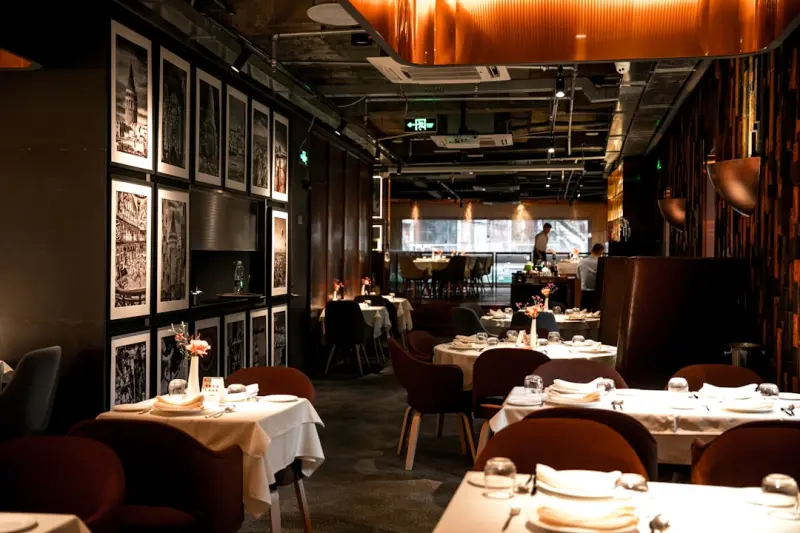
Why Data Should Be Your Restaurant’s New Secret Ingredient
When I first walked into a bustling downtown bistro, I was struck not by the aroma of the sauce but by the subtle hum of tablets, digital ticket dispensers, and a wall of screens flashing real‑time numbers. It felt like stepping into a kitchen that had swapped ladles for algorithms. Over the past few years I’ve watched the industry wobble between gimmick‑laden tech toys and genuine operational upgrades. The sweet spot, the place where data actually serves the diner rather than the opposite, is still a frontier worth exploring. In this piece I’ll walk you through how restaurants can turn raw data into a “secret sauce” that boosts margins, deepens guest loyalty, and future‑proofs the brand.
From Gut Feelings to Guided Decisions
Every restaurateur starts with a gut feeling: “I think Friday evenings will be busy,” or “Our new pasta should sell better than the risotto.” Those instincts are valuable, but they’re no longer enough. Modern point‑of‑sale (POS) systems capture every order, every modification, and every payment method. When you aggregate that data across weeks, you can answer questions like:
- Which dishes truly drive profit after accounting for ingredient cost and labor?
- How does weather influence dine‑in versus takeout demand?
- What time‑of‑day patterns dictate staff scheduling efficiency?
Instead of guessing, you let the numbers dictate the menu, the staffing roster, and even the marketing calendar. The result? Fewer “dead” menu items, optimized labor hours, and a clearer picture of what your guests love—and what they merely tolerate.
Building a Real‑Time Dashboard That Doesn’t Overwhelm
A common pitfall is drowning in data. You might end up with a wall of charts that nobody can decipher. The trick is to distill the information into a concise dashboard that highlights three core metrics:
- Profit per Dish: A quick glance at which plates contribute most to the bottom line.
- Turnover Rate: How quickly tables clear, informing seating strategies.
- Guest Sentiment Score: Aggregated from post‑dining surveys, review site sentiment, and social media mentions.
When these three numbers are front‑and‑center on a tablet in the manager’s office, decisions become almost instinctual. Need to shift a server from a slow‑moving section? Look at the turnover rate. Want to push a high‑margin appetizer? Let the profit per dish metric guide you.
Predictive Insights: The Crystal Ball for Kitchens
Data isn’t just about what happened yesterday; it’s about what will happen tomorrow. Predictive analytics can forecast demand spikes based on historic patterns, local events, and even social media chatter. For example, if a nearby concert is selling out, your system can pre‑emptively adjust inventory orders for popular quick‑serve items. The same logic applies to seasonal produce—predicting a surge in demand for heirloom tomatoes before they hit the market helps you lock in better prices and avoid last‑minute shortages.
Integrating a predictive engine doesn’t have to mean a massive IT overhaul. Many modern POS providers now bundle machine‑learning modules that plug directly into existing workflows. The key is to start small: perhaps forecast weekend brunch traffic for the next month and adjust staffing accordingly. When the numbers start to align with reality, you’ll see the tangible impact on labor cost and waste reduction.
Smart Loyalty Loops that Feel Personal, Not Pushy
Traditional loyalty cards—stamp one, get one free—are losing their charm. Guests now expect rewards that acknowledge their individual preferences. By analyzing order histories, you can craft personalized offers such as “Your favorite caramel espresso is 15 % off this Friday.” The magic lies in timing; push the offer when the data indicates the guest is likely to be in the vicinity, perhaps through geofencing or a gentle push notification.
Here’s a quick framework to build a smart loyalty loop:
- Segment: Group guests by purchase frequency, favorite cuisines, and price sensitivity.
- Target: Choose a specific segment for a tailored promotion.
- Deliver: Use the channel they prefer—SMS, email, or in‑app notification.
- Measure: Track redemption rates and adjust the offer cadence.
When done right, loyalty feels less like a sales ploy and more like a thoughtful reminder that you know and appreciate the guest’s taste.
Leveraging Technology Without Losing the Human Touch
There’s a delicate balance between tech‑driven efficiency and the warmth of hospitality. Over‑automation can alienate diners who crave genuine interaction. The sweet spot is to let technology handle the repetitive, data‑heavy tasks while your staff focuses on creating memorable moments.
Consider these practical integrations:
- Table‑side ordering tablets: Allow guests to explore the menu at their own pace, see high‑resolution images, and even read ingredient provenance.
- Back‑of‑house inventory alerts: When a key ingredient falls below a threshold, the system nudges the chef or purchasing manager automatically.
- Dynamic pricing displays: During off‑peak hours, a subtle screen could suggest a “happy hour” cocktail, boosting revenue without sounding pushy.
When staff can offload these logistical headaches, they have more bandwidth for the genuine smiles and stories that keep diners coming back.
Case Study: Turning Data Into a Menu Revolution
One boutique eatery in Vancouver recently partnered with a data‑analytics firm to revamp its menu. By mining three months of POS data, they discovered that their signature seafood risotto, while beloved, contributed a meager 8 % margin due to pricey imported scallops. Meanwhile, a lesser‑known beet‑infused burger was delivering a 22 % margin but was rarely ordered.
The team re‑engineered the menu: they introduced a seasonal beet‑burger with a locally sourced beet patty, promoted it with a “Chef’s Highlight” badge, and replaced the scallop risotto with a more cost‑effective mushroom‑based risotto. Within six weeks, overall food cost dropped by 4 %, and the new beet‑burger became the top seller.
Read more about how data‑driven menu innovations are reshaping the industry in personalized menu technology. The case study underscores that a few strategic tweaks, guided by hard numbers, can dramatically improve the profit curve.
Beyond the Plate: Immersive Experiences Powered by Data
While many restaurants focus on the plate, an emerging trend is to use data to craft immersive environments that resonate with guests. Imagine a dinner series where the lighting, music, and even the scent profile adapt in real time based on crowd sentiment measured through quick in‑app polls. This creates a living, breathing experience that feels tailored to each evening’s unique vibe.
To dive deeper into how tech can transform the dining atmosphere, check out the discussion on immersive dining experiences. The principle is the same: use data not just to serve food, but to orchestrate the entire sensory journey.
Getting Started: A 5‑Step Playbook for Data‑First Restaurants
If the ideas above feel overwhelming, break the transformation into manageable steps:
- Audit Your Current Data Sources: Identify where order, inventory, and guest feedback data reside.
- Select a Unified Platform: Choose a POS or analytics solution that consolidates these streams.
- Define Core KPIs: Focus on profit per dish, turnover rate, and guest sentiment.
- Implement a Pilot Dashboard: Roll out a simple visual for one location or one service period.
- Iterate and Expand: Use insights from the pilot to refine the dashboard, then scale across the brand.
Remember, the goal isn’t to become a data‑science lab; it’s to let numbers inform the creative decisions that make your restaurant unique.
Final Thoughts: Data as a Culinary Partner
In the kitchen, chefs treat ingredients as partners—each one bringing its own character to the dish. Think of data the same way: a partner that helps you balance flavors, manage costs, and anticipate guest cravings. When you respect the partnership, the result isn’t a sterile, algorithm‑driven experience; it’s a vibrant, responsive restaurant that feels both cutting‑edge and warmly familiar.
So the next time you glance at that wall of numbers, smile. You’re not just looking at spreadsheets; you’re peering into the next great chapter of your restaurant’s story.

Related Posts

Zero‑Waste Kitchens: How Real‑Time Data Is Turning Waste Into Profit
Explore the rise of zero‑waste kitchens powered by real‑time data, from smart inventory and supp... Read More

The Heart of Rural Dining: A Journey Through Local Flavors
Rural dining is about more than just food – it's about community, connection, and a sense of belon... Read More
The Evolution of Canadian Cuisine: A Journey Through Time and Culture
Canadian cuisine has undergone significant transformations over the years, shaped by the country's h... Read More
Top Posts

Fermentation Fever: How Ancient Techniques Are Fueling Modern Health Trends
Explore the rising trend of fermented foods, learn simple home fermentation methods, see how technology enhances flavor, and discover seasonal foraging tips to ...Read More
Sweet Success: Toronto Bakery Takes the Crown at Ontario's Best Butter Tart Festival
Downtown Midland was transformed into a haven for butter tart enthusiasts this past Saturday as Ontario's Best Butter Tart Festival made a triumphant return. Th...Read More

Reimagining Prom and Graduation: A Personal, Inclusive Playbook
A guide to crafting prom and graduation experiences that prioritize storytelling, inclusive dress codes, community partnerships, and meaningful rituals, ensurin...Read More

Feast for Free: Canadian Hotels Where Kids Dine on the House
Planning a family vacation can be an exciting prospect, but the costs, especially for dining out, can quickly add up. Thankfully, a growing number of hotels acr...Read More
0 Comments
Post Comment
You will need to Login or Register to comment on this post!